
Propagation
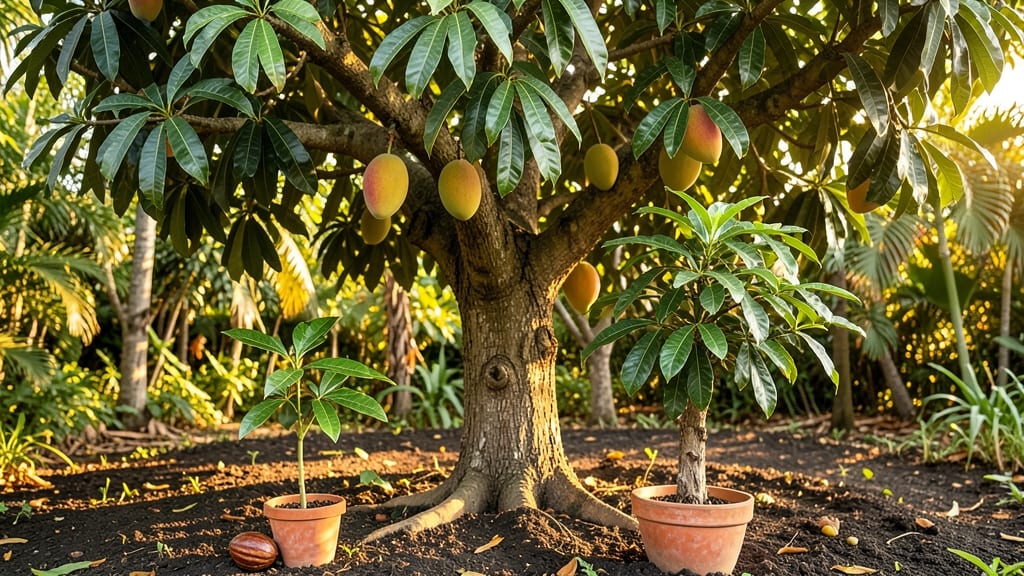
Growing a mango tree from seed to fruit is the ultimate long-term project—imagine that tropical fruit you love, grown from a seed you saved yourself. 🌱 The key to getting fruit in just two years (instead of five or more) is understanding the growth stages and giving your tree exactly what it needs at each step.
Most people quit after the first year when their seedling looks like a twig instead of a tree. But with the right soil mix, sunlight, and a little patience, you'll see real growth by spring.
The first year is all about establishing strong roots, while year two focuses on shaping the tree for fruit production. By summer of year two, you'll be pruning branches to encourage flowering, and by next spring, you could have your first blossoms.
The fruit won't be store-bought quality yet, but the satisfaction of growing it yourself is priceless—and you'll learn exactly how to care for it for future harvests. This method works in containers or in-ground, whether you're in a warm climate or a cooler zone with a greenhouse.
Let's get that seed sprouting!
📚 In This Guide
- What you need
- Instructions
- Tips and common mistakes
- Wrapping up and next steps
What you need
- ● Mango seed: 1 fresh, plump seed (harvested from a ripe, organic mango 🍈). Pro tip: Avoid seeds from hybrid or grafted mangoes—they may not produce true fruit!
- ● Potting soil: 1 bag (5-10 lbs) of well-draining, sterile potting mix (look for "seed-starting" or "cactus/succulent" blends).
- ● Small pots: 2-3 biodegradable pots (4-6 inches wide) or plastic nursery pots with drainage holes.
- ● Watering can or spray bottle: For gentle hydration—avoid overwatering!
- ● Clear plastic bag or dome: 1 (to create a humidity tent for germination).
- ● Sunlight access: A sunny windowsill (south-facing) or a grow light (12+ hours/day).
- ● Fertilizer: Balanced, water-soluble fertilizer (5-5-5 NPK ratio) or organic compost tea.
- ● Seedling heat mat ($10-$15) – Speeds up germination in cooler climates.
- ● Humidity tray – Keeps moisture levels ideal for tropical seedlings.
- ● pH test kit – Ensures soil pH is between 5.5-7.0 (mangoes prefer slightly acidic soil).
- ● Pruning shears – For shaping the tree as it grows.
- ● Mulch (e.g., straw or wood chips) – Protects roots once transplanted outdoors.
Step-by-step instructions for growing a mango tree from seed
Here's how I turn a single seed into a thriving mango tree ready for blooms—no complicated tricks, just patience and the right care.
🌱 Step 1: Extract and Prepare the Seed
Start with a fresh mango seed—never dried or stored for months, as they lose viability. I slice the fruit open lengthwise, twist gently to separate the pit from the flesh, then rinse the seed under cool water to remove any sticky residue. Let it air-dry for 24 hours on a paper towel before planting.
Don't skip the drying step—moisture trapped inside the seed can cause rot before germination. You'll know it's ready when the outer shell feels slightly firm to the touch, not damp or sticky.
🌱 Step 2: Plant the Seed in a Moistened Growing Medium
Fill a 4-inch diameter pot with a mix of 50% potting soil and 50% perlite or coarse sand. This blend drains well while retaining enough moisture for the seed to sprout. Water the mix until it's damp but not soggy—think of a wrung-out sponge.
Place the seed horizontally, about 1 inch deep, with the pointed end facing downward. Cover it lightly with the soil mix, then mist the surface with water until evenly moist. The key here is keeping the environment humid without waterlogging the seed.
💧 Step 3: Provide Warmth and Humidity for Germination
Mango seeds need warmth to germinate—place the pot in a location with 75-85°F temperatures, like on top of a refrigerator or near a sunny window. I cover the pot with a clear plastic bag to create a mini greenhouse effect, securing it loosely with a rubber band.
Check the soil daily but only water if the top inch feels dry. Germination can take 2-6 weeks, so stay patient. You'll see the first sign of life when a small sprout emerges from the seed—it might look like a tiny white root pushing through first, followed by the shoot.
☀️ Step 4: Transplant and Care for the Seedling
Once the seedling reaches 4-6 inches tall and has 2-3 true leaves, it's time to transplant into a 6-inch pot with fresh potting soil. Handle the seedling gently by its leaves, not the stem, to avoid damaging the delicate roots.
Place the pot in bright, indirect light for the first week to help it adjust. After that, gradually introduce it to morning sun for 2-3 hours daily, increasing exposure over time. Mango seedlings need plenty of light to grow strong but can scorch in direct afternoon sun.
🪴 Step 5: Encourage Growth and Prepare for Outdoor Planting
By the time your seedling is 12-18 inches tall, it's ready for a larger 1-gallon pot. Use well-draining soil and ensure the pot has drainage holes. Water deeply when the top inch of soil feels dry, but avoid letting the roots sit in water.
If you live in a warm climate, you can plant the seedling outdoors after the last frost date. Choose a location with full sun exposure and protect it from strong winds. In cooler climates, keep it in a pot and bring it indoors during winter months. Prune any leggy growth to encourage bushier development.
Tips & tricks for perfect mango tree growth
Growing a mango tree from seed takes patience, but these simple tricks will help you avoid common pitfalls and give your seedling the best start possible.
Seed Selection: Choose seeds from ripe, organic mangoes whenever possible—they've been exposed to fewer chemicals that might inhibit germination. I always save seeds from fully ripe fruit, as underripe seeds often fail to sprout. Store-bought mangoes sometimes have seeds treated to prevent sprouting, so if you're unsure, try multiple seeds to increase your chances.
Germination Environment: The 75-85°F temperature range is critical for germination, but consistency matters even more than exact degrees. If your home runs cooler, place the pot on a seedling heat mat set to 75°F—this creates ideal conditions without risking overheating. I've seen seeds sprout in as little as 2 weeks when kept consistently warm, but don't be discouraged if it takes the full 6 weeks.
Transplanting Technique: When your seedling reaches 4-6 inches, handle it like you would a fragile glass figurine—grip the leaves, not the stem, and support the roots as you transfer it to the new pot. This minimizes transplant shock. After repotting, give it a gentle watering and place it in bright, indirect light for that crucial first week while it adjusts.
Light Transition Strategy: The gradual introduction to morning sun is your secret weapon against sunburned leaves. Start with just 1 hour of morning sun on day one, then add 30 minutes each subsequent day until you reach the full 2-3 hours. This slow acclimation prevents leaf scorch while still giving your tree the sunlight it craves. Think of it like giving your tree a gentle sunburn lotion treatment!
Pro Tips for Mango Tree From Seed To Fruit
- Growing a mango tree from seed takes patience, but these simple tricks will help you avoid common pitfalls and give y...
- Seed Selection: Choose seeds from ripe, organic mangoes whenever possible—they've been exposed to fewer chemicals tha...
- Germination Environment: The 75-85°F temperature range is critical for germination, but consistency matters even more...
Frequently asked questions
Got questions about growing a mango tree from seed?
You’re not alone! Here are answers to the most common curiosities—no fluff, just fast fixes and pro tips to keep your mango dream on track.
How long does it take for a mango seed to sprout?
A mango seed typically sprouts within 2–4 weeks if kept in warm (70–85°F), moist, and well-draining soil. Patience is key—some seeds take up to 6 weeks! Use a heat mat or sunny windowsill to speed things up. Pro tip: Soak the seed overnight before planting to kickstart germination.
Can I grow a mango tree indoors?
Yes, but with caveats! Mango trees thrive outdoors in tropical climates, but you can grow one indoors in a large pot (15+ gallons) with bright, indirect light. Expect slower growth and smaller fruit. If you live in a cold climate, move the pot indoors during winter. Warning: Indoor trees rarely fruit—outdoor planting is ideal for sweet mangoes.
Will my seed-grown mango tree produce fruit?
Most likely, but not the same as grocery-store mangoes! Seedlings may take 3–5 years to fruit and produce inconsistent, smaller, and less sweet mangoes. For reliable fruit, graft a known variety onto your seedling later. Fun fact: Some seed-grown trees surprise you with delicious, unique flavors—worth the wait!
Why is my mango seedling wilting or turning yellow?
Overwatering or poor drainage are the top culprits. Mango seedlings need well-draining soil and water only when the top inch is dry. Yellow leaves? Check for root rot or nutrient deficiencies (add a balanced fertilizer lightly). Quick fix: Repot in fresh, sandy soil if roots look mushy.
Can I plant a mango seed directly in the ground?
Technically yes, but it’s risky unless you live in a tropical/subtropical zone (USDA zones 10–11). Young seedlings are frost-sensitive! Start indoors or in a greenhouse, then transplant after the last frost. Bonus tip: Mulch heavily to protect roots in cooler months.
How do I know if my mango tree is healthy?
A healthy mango tree has:
- Vibrant green leaves (no spots or curling).
- Steady growth (new leaves monthly in warm months).
- No pests (check undersides of leaves for mites or scale).
- Firm, white roots (not brown/mushy).
Wrapping up and next steps
Growing a mango tree from seed to fruit is a rewarding journey that blends patience with the joy of nurturing life! 🌱 With the right care—sunlight, well-draining soil, and a dash of love—you’ll watch your tiny seed transform into a lush, fruit-bearing tree in just two years.
Whether you’re a beginner or a green-thumb enthusiast, this process is your ticket to fresh, homegrown mangoes without the fuss.
Ready to take the next step? Start with a seed today—plant it, tend to it, and let nature do the magic! Share your progress with fellow gardeners or even gift a sapling to a friend. The sweetest reward? A tree that keeps giving, year after year. 🌳✨