
Lawn
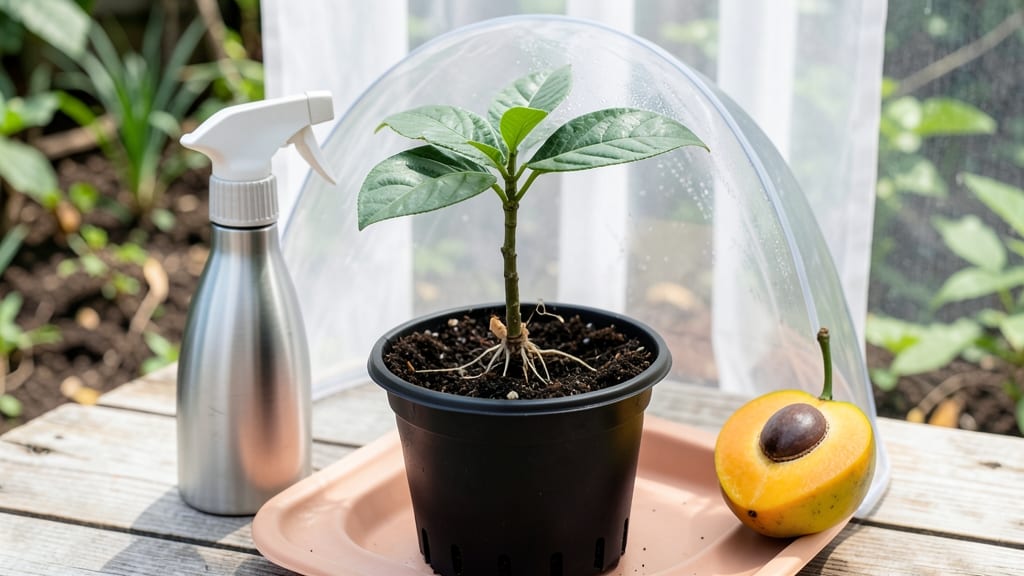
Watching mango seed growth is easier than you think—no fancy equipment or horticultural degrees required. 🌱 The key is patience and a few simple steps that turn that pit into a thriving seedling in just 60 days.
I’ve grown three this way, and while they won’t bear fruit for years, the process itself is oddly satisfying—like watching a tiny green promise unfold.
Start with a fresh mango pit (the fresher, the better), soak it overnight to soften the shell, then plant it 1 inch deep in a mix of potting soil and perlite. Keep the soil damp but not soggy, and place the pot in bright, indirect light.
Within 2-4 weeks, you’ll spot the first signs of life—a crack in the shell or a tiny shoot pushing through. By day 60, you’ll have a sturdy 6-inch seedling ready for its first transplant.
The leaves will be glossy and vibrant, and the roots will be strong enough to handle a slightly larger pot. This is where most beginners rush—don’t! Let the seedling adjust to its new home over a week before moving it outside. Ornamental value comes early, but fruit?
That’s a 5-10 year wait (if you’re lucky). Still, the journey is worth it—imagine explaining to guests that you grew the tree in your backyard. Here’s how to keep it thriving past the first year.
📚 In This Guide
- What you need
- Instructions
- Tips and common mistakes
- Wrapping up and next steps
What you need
- ● Mango seeds: 3–5 fresh, plump seeds (harvested from ripe, organic mangoes—avoid store-bought seeds if possible).
- ● Paper towels or coffee filters: 2–3 sheets (for pre-soaking seeds).
- ● Plastic bag or airtight container: A small, zip-top bag (quart-sized) to create humidity.
- ● Potting soil: 1 bag (1–2 cubic feet) of well-draining, sterile potting mix (avoid garden soil—it may harbor pests!).
- ● Small pots or seed trays: 3–5 biodegradable pots (3–4 inches in diameter) or a seed tray with drainage holes.
- ● Watering can or spray bottle: For gentle hydration (avoid overwatering!).
- ● Scissors or knife: For carefully cutting seeds open (if needed).
- ● Spray bottle with water: To maintain humidity without soggy soil.
- ● Grow lights or sunny windowsill: A south-facing window or LED grow light (12–16 hours/day) for optimal light.
- ○ Plastic wrap or clear lid: To create a mini greenhouse effect (optional but helpful for humidity).
- ● Fertilizer (balanced, water-soluble): A 10-10-10 or 20-20-20 formula (diluted to half-strength) for seedlings after sprouting.
- ○ Thermometer (optional): To monitor soil temperature (ideal range: 75–85°F (24–29°C)).
Step-by-Step instructions for growing mango trees from seed
Here's how to coax a mango seed into a thriving seedling—no fancy equipment needed.
🌱 Step 1: Extract and Prepare the Seed
Start with a fresh, plump mango seed—avoid dried or cracked ones. I like to use ripe fruit that's slightly soft when squeezed. Cut the seed out carefully, removing all the surrounding flesh. Rinse it under cool water to remove any pulp residue, then let it air-dry completely for 24 hours.
Real talk: Don't skip the drying step. A damp seed will rot before it ever sprouts. Place it on a paper towel in a warm, dry spot away from direct sunlight. You'll know it's ready when the outer shell feels light and the seed itself makes a hollow sound when tapped.
💧 Step 2: Soak and Plant the Seed
Fill a small container with 1 inch of water and place the dried seed inside. Let it soak for 3-5 days—you'll see the seed swell and eventually crack open. This softens the hard outer shell and speeds up germination. Change the water daily to prevent bacterial growth.
Once the seed splits, remove it and plant it ½ inch deep in a small pot filled with well-draining potting mix. I use a 4-inch pot for my first planting—just enough room for the taproot to establish without circling. Water lightly until the soil feels evenly moist but not soggy.
☀️ Step 3: Provide Warmth and Humidity
Mango seeds need warmth to germinate—aim for 75-85°F. I place my pot on a seedling heat mat or in a warm spot near my kitchen (the oven's pilot light area works well). Cover the pot with a clear plastic bag or humidity dome to maintain moisture and warmth.
Check daily for condensation on the bag—this is your cue that humidity levels are perfect. Germination can take 10-30 days, depending on your seed's freshness. You'll see the first sign of life when a tiny sprout pushes through the soil, followed by two large seed leaves (cotyledons) in 2-3 weeks.
🌿 Step 4: Transplant and Care for the Seedling
Once the seedling reaches 6 inches tall and has its first set of true leaves (not the initial seed leaves), it's time to transplant. Choose a slightly larger pot with drainage holes and fill it with a mix of potting soil and perlite for better aeration. Gently remove the seedling from its original pot, being careful not to damage the delicate roots.
Plant it at the same depth it was growing before, then water thoroughly. Place the pot in bright, indirect light—direct sun at this stage can scorch tender leaves. Keep the soil consistently moist but never waterlogged. You'll know it's happy when new leaves emerge with a vibrant green color and the stem feels sturdy when touched.
⏰ Step 5: Gradually Acclimate to Outdoor Conditions
After 4-6 weeks of indoor growth, when the seedling has 4-5 true leaves, it's ready for outdoor hardening. Start by placing it in a sheltered spot for 1-2 hours daily, gradually increasing exposure over 2 weeks. Choose a location with partial shade to avoid leaf burn.
Once the seedling tolerates full outdoor conditions, you can plant it in the ground or a larger container. Mango trees love warmth and thrive in full sun once established. Watch for new growth—this signals the seedling is adapting well to its new environment.
Tips & tricks for perfect mango seed germination
A few key insights that'll help you avoid the most common pitfalls when growing mango trees from seed.
Seed Selection Matters: Choose seeds from ripe, organic mangoes when possible—they tend to germinate more reliably. I've found that seeds from varieties like 'Haden' or 'Kent' often produce stronger seedlings. Avoid seeds from overly soft or fermenting fruit, as they may already be compromised. The 24-hour drying period in Step 1 is crucial—this prevents mold and gives you a better chance of successful germination.
Soaking Strategy: During the 3-5 day soaking period in Step 2, change the water daily to prevent bacterial growth. You'll notice the seed will swell dramatically—this is a good sign! If you see any black spots or foul smells developing, discard the seed immediately and start fresh. The goal is to soften the hard outer shell while keeping the seed healthy. I like to soak mine in a small glass jar so I can easily monitor progress.
Heat and Humidity Hack: Maintaining the 75-85°F temperature range in Step 3 is what separates successful germination from failure. If you don't have a heat mat, try placing your pot on top of your refrigerator or near a sunny window (but not in direct sunlight). The condensation you'll see on the plastic bag is your best indicator that humidity levels are perfect. This tropical environment mimics the mango tree's natural growing conditions.
Transplanting Timing: Wait until your seedling reaches exactly 6 inches tall before transplanting in Step 4—this ensures the root system is strong enough to handle the move. When you remove it from the original pot, gently tap the sides to encourage the roots to loosen. The perlite mix in the new soil provides excellent drainage while retaining moisture, which is perfect for young mango seedlings. Remember, the goal is to mimic the seedling's natural growth environment as closely as possible.
Pro Tips for Mango Seed Growth
- A few key insights that'll help you avoid the most common pitfalls when growing mango trees from seed.
- Seed Selection Matters: Choose seeds from ripe, organic mangoes when possible—they tend to germinate more reliably. I...
- Soaking Strategy: During the 3-5 day soaking period in Step 2, change the water daily to prevent bacterial growth. Yo...
Frequently asked questions
Got questions about growing mango seeds? You’re not alone! Here are some of the most common queries—and their straightforward answers—to help you navigate the process like a pro.
How long does it take for a mango seed to germinate?
A mango seed typically takes 2–6 weeks to sprout under ideal conditions (warmth, moisture, and indirect light). With the right setup—like the one in this guide—you can see tiny shoots in as little as 10–14 days. Patience is key, but don’t worry if it takes longer; seeds vary!
Can I grow a mango seed indoors year-round?
Mango seeds thrive indoors with warmth (70–85°F) and humidity. Use a sunny windowsill or grow light, and keep the soil moist (not soggy). Just avoid drafts or cold spots—mangoes are tropical and hate the chill. A heat mat can speed up germination if your home runs cool.
What if my mango seed never sprouts?
Don’t toss it yet! Try these fixes:
- Check viability: Soak the seed in water for 24 hours. If it sinks, it’s likely viable.
- Adjust moisture: Overwatering can rot the seed; underwatering dries it out. Aim for damp (not wet) soil.
- Warmth boost: Place the pot in a warm spot (like near a heater) or use a seedling heat mat.
Will my indoor mango tree grow into a fruit-bearing plant?
Indoor mango trees rarely produce fruit (they need years, strong sunlight, and pollination). However, they make stunning houseplants! With proper care, your seedling could grow 10–15 feet tall indoors over time. For fruit, consider grafting or transplanting outdoors in a tropical climate.
Can I replant a mango seedling outside after it grows?
Yes! Once your seedling has 3–4 true leaves and sturdy stems (usually 3–6 months old), it’s ready for outdoor planting. Choose a warm, sunny spot with well-draining soil. Harden it off gradually (acclimate to outdoor conditions over 1–2 weeks) to avoid shock. Just remember: Mangoes need full sun and frost-free winters!
Wrapping up and next steps
Growing a mango tree from seed is a rewarding journey that combines patience with the joy of nurturing life! 🌱 With the right materials and a stress-free approach, you can watch your seedling thrive in just 60 days—no complicated tricks required.
Whether you're dreaming of a shady backyard retreat or a future harvest of sweet fruit, every small step you take brings you closer to success.
Ready to take the next step? Start today—plant your seed, monitor its progress, and enjoy the process! Soon, you’ll be celebrating your very own mango seedling, one that’s uniquely yours. Happy growing! 🌿