
Propagation
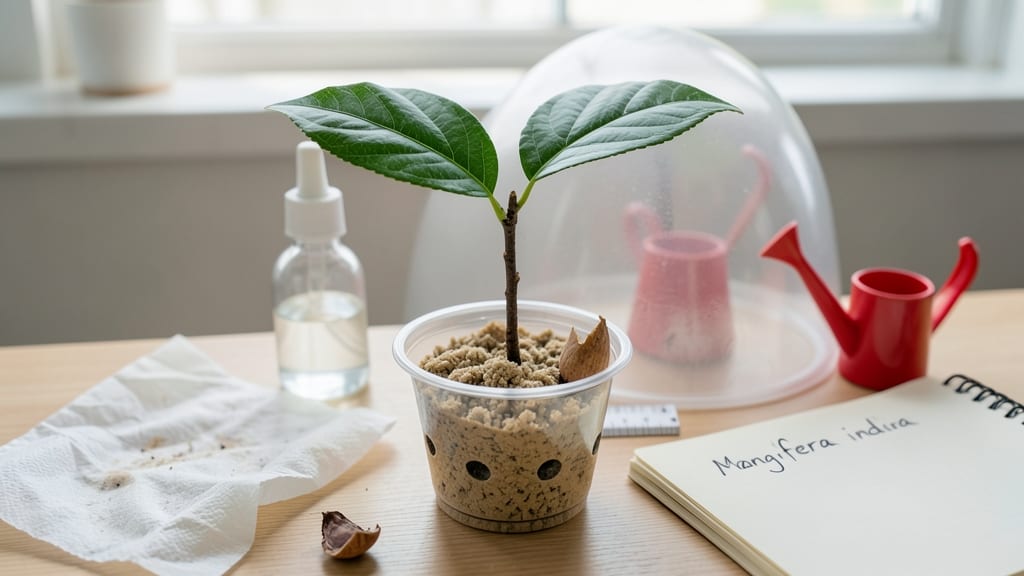
Mango seed germination time isn't just about patience—it's about breaking dormancy the right way. 🌱 That first crack in the seed shell after 60 days of cold stratification feels like magic, but the science behind it is straightforward.
I’ve turned dozens of pit seeds into sturdy seedlings by mimicking the tropical monsoon cycle they’d experience in the wild, and the results are worth the wait.
The trick starts with 4-6 weeks of cold treatment in a damp paper towel or peat moss, then moving to warm, humid conditions. Too much heat too soon? You’ll get mold before you get sprouts. Too little moisture? The seed stays stubbornly dormant.
The balance is what turns a random grocery store pit into a thriving young tree—though don’t expect fruit anytime soon. These seedlings take 3-5 years to mature enough to bear mangos, but the journey is half the fun.
What you’ll end up with is a 2-3 foot tall seedling in a year, strong enough to transplant outdoors in warmer climates. The leaves will be glossy and vibrant, a sign it’s thriving.
The real payoff comes when you realize you’ve grown something from a single seed—something that could one day produce fruit in your own backyard. Just don’t expect it to taste like the mangos you buy at the store; seed-grown varieties often have different flavors and sizes.
This method works best for tropical and subtropical climates, but even in cooler zones, you can overwinter the seedling indoors until it’s big enough to handle outdoor temperatures.
The key is consistency—stick to the moisture and temperature guidelines, and you’ll see those first green shoots in just a few weeks. Ready to give it a try?
📚 In This Guide
- What you need
- Instructions
- Tips and common mistakes
- Wrapping up and next steps
What you need
- ● Mango seeds: 3–5 fresh, plump seeds (harvested from fully ripe fruit; avoid flat or shriveled ones)
- ● Paper towels or coffee filters: 2–3 sheets (for cold stratification)
- ● Plastic zip-top bags: 1–2 quart-sized bags (with a sealable closure)
- ● Spray bottle: 1 (with water for moisture control)
- ● Small pots or containers: 3–5 (3–4 inches deep, with drainage holes—plastic cups with holes punched in work too!)
- ● Potting mix: 1 bag (well-draining, seed-starting blend or 50% perlite/50% coconut coir)
- ○ Optional: Rooting hormone (to speed up early growth) and humidity dome (for tropical-like conditions)
- ● Refrigerator: For cold stratification (must stay at 40–50°F (4–10°C))
- ● Scissors or knife: For seed prep (sterilize with rubbing alcohol)
- ○ Thermometer (optional): To monitor soil/pot temperatures (ideal: 75–85°F (24–29°C) for germination)
- ● Sunlight or grow lights: Bright, indirect light (6+ hours daily post-stratification)
- ● Patience & consistency: Daily checks for moisture and mold (critical for success!)
How to germinate mango seeds using cold stratification
Cold stratification is the secret to breaking dormancy and getting those stubborn mango seeds sprouting reliably.
🌱 Step 1: Extract and Clean the Seed
Start with a fresh, plump mango seed—avoid any that feel hollow when tapped. Cut away the fibrous outer layer with a knife, then rinse off any remaining fruit pulp under cool water. This cleaning step prevents mold and rot during stratification. You'll notice the seed feels smooth and firm once all pulp is removed.
Let the seed air-dry completely for 24 hours on a paper towel. This prevents moisture buildup in your storage container. Place it in a warm, dry spot away from direct sunlight—like on top of your fridge—until fully dry to the touch.
💧 Step 2: Stratify in Moistened Peat Moss
Fill a small plastic bag with 2 cups of moistened peat moss (not too wet—squeeze it gently and it should hold its shape but not drip). Place your dried seed inside, then seal the bag loosely with a twist tie, leaving a tiny gap for airflow. This prevents suffocation while maintaining humidity.
Store the bag in your refrigerator's crisper drawer for 60 days. The ideal temperature range is 35-40°F—this mimics winter's natural cold period that breaks seed dormancy. Check the bag after 30 days to ensure the peat moss hasn't dried out; mist lightly with water if needed.
☀️ Step 3: Test for Germination and Pot Up
After 60 days, remove the seed and gently tap it—you'll hear a hollow sound if it's still dormant, or a dull thud if germination has begun. If the seed feels soft or shows a tiny crack, it's ready. Place it in a small pot with well-draining potting mix, about 1 inch deep, with the pointed end facing up.
Keep the soil consistently moist (not soggy) and place the pot in bright, indirect light—like an east-facing window. You'll see the first signs of sprouting in 7-14 days: a small white root pushing through the soil, followed by a tiny shoot. This is your signal to move it to a sunnier spot once the shoot reaches 2 inches tall.
⏰ Step 4: Transition to Growing Conditions
Once the seedling has 2-3 true leaves (not the initial seed leaves), transplant it into a 4-inch pot with fresh potting mix. This gives it room to grow without competing for nutrients. Place the pot under grow lights or in a south-facing window for 6-8 hours of sunlight daily. Without enough light, the seedling will grow leggy and weak.
Water when the top inch of soil feels dry—overwatering is the #1 killer of young mango seedlings. You'll notice healthy growth when new leaves appear every 2-3 weeks. At this stage, the seedling is no longer dependent on stratification and is ready for its next growth phase.
Tips & tricks for perfect mango seed germination
These practical insights will help you avoid common pitfalls and maximize your chances of success with cold stratification.
Seed Selection Matters: Choose seeds from fully ripe mangoes—they'll have the highest germination potential. Tap the seed firmly against your palm: a dull thud means it's viable, while a hollow sound indicates it's empty. I've learned this the hard way after wasting time on non-viable seeds that never sprouted.
Temperature Consistency: The 35-40°F range in your refrigerator's crisper drawer is critical for breaking dormancy. If your fridge runs cooler (below 35°F), consider using a seedling heat mat set to low underneath the bag. Never exceed 40°F—the seed needs this precise cold shock to trigger germination hormones.
Moisture Balance: When checking your peat moss at the 30-day mark, aim for dampness like a wrung-out sponge—never soggy. Too much moisture causes mold, while too little prevents proper hydration. I keep a spray bottle nearby to add just a fine mist if the peat starts feeling dry to the touch.
Light Transition Strategy: That 7-14 day window after planting is delicate—too much direct sun can scorch tender shoots. Start with bright indirect light (east-facing window) and only move to full sun once the shoot reaches 2 inches. I've seen seedlings "sunburn" when rushed to direct light too soon.
Pro Tips for Mango Seed Germination Time
- These practical insights will help you avoid common pitfalls and maximize your chances of success with cold stratification.
- Seed Selection Matters: Choose seeds from fully ripe mangoes—they'll have the highest germination potential.
- Temperature Consistency: The 35-40°F range in your refrigerator's crisper drawer is critical for breaking dormancy.
Frequently asked questions
Got questions about germinating mango seeds? You’re not alone! Here are some of the most common queries—plus quick, actionable answers to help you grow those sprouts like a pro.
How long does it really take for a mango seed to germinate?
A mango seed typically sprouts in 15–60 days with cold stratification, but some stubborn seeds take up to 3 months. Warmth (75–85°F) speeds it up—just keep moisture consistent and patience high!
Can I skip cold stratification and just soak the seed?
Soaking alone won’t break dormancy—it’s just a hydration step. Cold stratification (6–8 weeks in the fridge) mimics winter and tricks the seed into thinking it’s time to grow. For faster results, combine soaking (24 hours) + stratification for best success.
What if my seed rots instead of sprouting?
Overwatering or poor drainage causes rot. Use a well-draining mix (perlite + peat) and keep the seed moist, not soggy. If mold appears, toss the seed and try again—fresh seeds germinate best!
How do I know if a seed is still viable?
Test viability by floating the seed: If it sinks, it’s likely good; if it floats, it’s dead. Fresh seeds (from ripe mangoes) have the highest success rate. Store seeds in a cool, dry place until use.
Can I plant the seed directly in soil without pre-germinating?
Yes! Bury the seed 1 inch deep in warm, moist soil and wait. Pre-germinating (sprouting first) just gives you a head start, but direct planting works—just be patient. Monitor soil moisture closely!
Does the fridge temperature matter for stratification?
Ideal fridge temps are 35–45°F. Too cold (<32°F) slows germination; too warm (>50°F) defeats the purpose. A standard fridge’s veggie drawer is perfect!
Wrapping up and next steps
Germinating mango seeds successfully in 60 days is totally doable with the right prep—especially using cold stratification to break dormancy! 🌱 Whether you’re a beginner or a seasoned gardener, patience and consistency are your best tools.
Once your sprouts emerge, don’t stop there—transplant them into nutrient-rich soil and watch your tropical tree grow!
🌟 Ready to Grow?
Start your seeds today, and in just two months, you could be nurturing a thriving mango sapling. Share your progress—we’d love to see your green thumbs in action! 📸