
Lawn
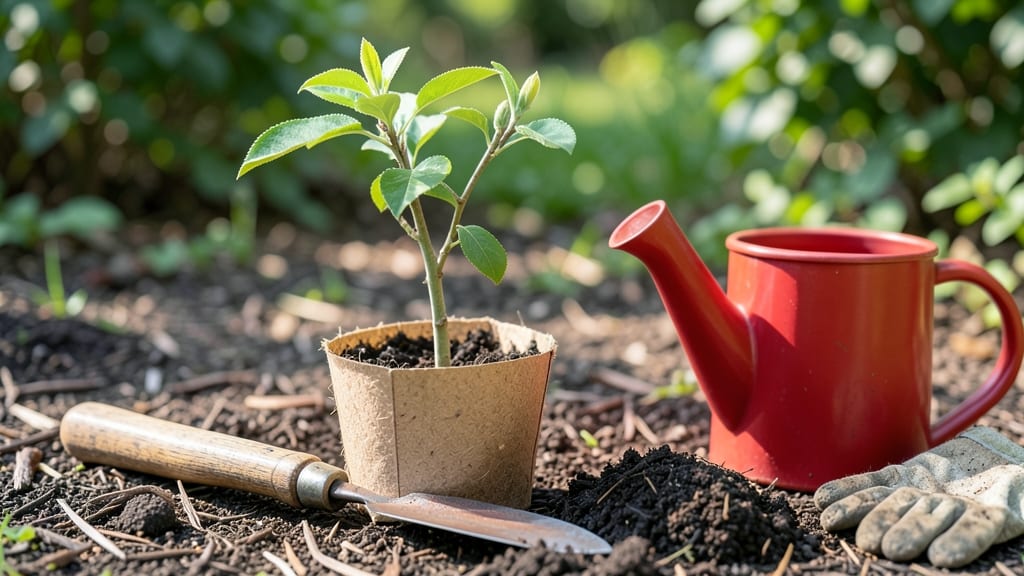
Planting peach tree seeds now means sweet rewards in years to come. 🌱 The secret to reliable germination lies in mimicking nature's timing with cold stratification—a process that tricks seeds into thinking winter has passed.
You'll need just three supplies: fresh peach pits, a damp paper towel, and a plastic bag. Place the pits between the towel, seal them, and refrigerate for 8-12 weeks. This mimics the natural winter chill peach seeds need to break dormancy.
When you see tiny roots emerge, plant them 1 inch deep in well-draining soil. Keep the soil consistently moist but never soggy, and expect germination in 4-8 weeks. Patience is key—these seedlings grow slowly at first. The payoff comes years later when your tree bears fruit.
With proper care, you could have a productive peach tree in 5-7 years, though some varieties take longer. Here's how to get started!
📚 In This Guide
- What you need
- Instructions
- Tips and common mistakes
- Wrapping up and next steps
What you need
- ● Peach pits (seeds): 3–5 fresh, plump pits from ripe, organic peaches (avoid store-bought if treated with fungicides).
- ● Cold stratification supplies: 1 small breathable container (e.g., paper towel roll, mesh bag, or plastic bag with holes).
- ● 1 cup potting mix (sterile, seed-starting blend) or damp sphagnum moss.
- ● 1 plastic zip-top bag (if using the bag method).
- ● Planting container: 1 small pot (4–6 inches deep) with drainage holes or a seed tray with individual cells.
- ● Potting soil: 1 bag high-quality, well-draining potting mix (avoid garden soil).
- ● Tools: 1 pair scissors or pruning shears (for cutting pits if needed).
- ● 1 spray bottle (for misting).
- ○ 1 thermometer (optional, to monitor fridge temps: 35–45°F).
- ○ Growth aids: 1 bottle rooting hormone (optional, for faster germination).
- ● Heat mat: 1 small seedling heat mat (speeds up germination post-stratification).
- ● Grow lights: 1–2 LED grow bulbs (if natural light is limited).
- ● Label markers: 3–5 plant tags + permanent marker (to track varieties).
- ● Humidity dome: 1 clear plastic seedling dome (keeps moisture high during germination).
Step-by-step guide to cold stratifying peach tree seeds
This method guarantees reliable germination by mimicking nature's winter cycle.
🌱 Step 1: Harvest and Prepare Fresh Seeds
Collect peach pits only from fully ripe, disease-free fruit—never overripe or bruised. Remove all flesh immediately after harvesting, as fermentation triggers mold growth. Rinse the pits thoroughly under running water to eliminate any residual sugar or pulp that could attract pests during stratification.
Let the pits dry completely for 3-5 days in a well-ventilated area at room temperature. You'll know they're ready when the outer shell feels light and the pit rattles slightly when shaken. Store them in a paper bag in a cool, dark place until you're ready to stratify—this prevents premature sprouting.
💧 Step 2: Moisten and Stratify in a Controlled Environment
Fill a seedling tray or small container with a mix of 50% moist peat moss and 50% perlite. The medium should feel like a wrung-out sponge—damp but not dripping. Place the peach pits on the surface, spacing them 2 inches apart to prevent crowding during germination.
Cover the container with a clear plastic lid or wrap tightly with plastic wrap to create a humid microclimate. Place the sealed container in your refrigerator's crisper drawer, where temperatures hover around 35-45°F. This cold stratification period must last 60-90 days—peach seeds require this winter chilling to break dormancy.
⏰ Step 3: Monitor and Test for Germination Readiness
After 45 days, check the seeds weekly by gently pressing your thumb against the pit. You're looking for slight softening—this indicates the embryo is breaking dormancy. Remove any pits that show mold or an unpleasant odor immediately, as these won't germinate and may contaminate others.
At the 60-day mark, transfer the container to a warm, bright location (around 70°F) to encourage germination. Keep the medium consistently moist but never soggy—water from the bottom by placing the tray in 1 inch of water for 10 minutes daily. Germination typically occurs within 2-4 weeks after this warm-up period.
☀️ Step 4: Transplant Germinated Seedlings
Once seedlings develop 2-3 true leaves and reach 3-4 inches tall, they're ready for individual pots. Use 4-inch diameter containers filled with a mix of 60% potting soil and 40% compost. Plant each seedling 1 inch deep, firming the soil gently around the stem to eliminate air pockets.
Place the pots under bright, indirect light for the first week to prevent shock. Gradually introduce direct sunlight over 7-10 days, watching for signs of stress like yellowing leaves or wilting. Peach tree seedlings are sensitive to temperature fluctuations—keep them in a range of 65-75°F for optimal growth.
🌿 Step 5: Harden Off and Prepare for Outdoor Planting
Begin hardening off seedlings 4-6 weeks before your last frost date. Start with 1 hour daily of outdoor exposure in a sheltered spot, gradually increasing to full sun over 10-14 days. This acclimation period prevents transplant shock and helps seedlings establish stronger root systems before facing outdoor conditions.
Choose a planting site with full sun exposure and well-draining soil with a pH between 6.0-7.0. Peach trees are not frost-tolerant as seedlings, so wait until all danger of frost has passed and soil temperatures reach 60°F before transplanting to the ground. Plant at the same depth as the container, spacing seedlings 20 feet apart to allow for mature tree growth.
Tips & tricks for perfect peach tree seed stratification
These insider tips will help you maximize your peach seed germination success by avoiding common pitfalls.
Seed Selection: Choose pits from the ripest, healthiest peaches you can find—this is where quality matters most. I’ve learned the hard way that overripe or bruised fruit leads to moldy pits during stratification. Look for firm, plump peaches with vibrant color; these yield seeds with higher viability. Store your selected pits in a paper bag in the fridge until you’re ready to start the process—this preserves their freshness and prevents premature sprouting.
Temperature Precision: The 35-45°F range in your refrigerator’s crisper drawer is critical for successful stratification. If you notice condensation forming on the container’s lid, your environment is too humid—this can promote mold growth. To maintain the right balance, place a small fan nearby to gently circulate air without disturbing the sealed environment. I’ve found that checking the temperature with a refrigerator thermometer ensures consistency, especially if your fridge runs hot or cold in certain spots.
Germination Monitoring: At the 45-day mark, when you’re testing for softening, use a gentle touch—press firmly but not hard enough to crack the pit. You’re looking for a slight give, not a complete collapse. If you notice any pits developing mold or an off odor, remove them immediately to prevent contamination. This is where patience pays off: rushing the process by moving seeds too early can result in weak, underdeveloped seedlings that struggle to thrive.
Transplanting Timing: When your seedlings reach 3-4 inches with 2-3 true leaves, they’re ready for their first transplant. Use 4-inch pots to give roots room to establish without becoming root-bound too quickly. The key here is gradual light exposure—start with bright, indirect light for the first week to prevent shock. I’ve seen seedlings wilt dramatically when moved straight into direct sunlight; this slow acclimation makes all the difference in their long-term health.
Pro Tips for Peach Tree Seed Planting
- These insider tips will help you maximize your peach seed germination success by avoiding common pitfalls.
- Seed Selection: Choose pits from the ripest, healthiest peaches you can find—this is where quality matters most.
- Temperature Precision: The 35-45°F range in your refrigerator’s crisper drawer is critical for successful stratification.
Frequently asked questions
Got questions about growing peach trees from seed? You’re not alone—this process can feel tricky, but we’ve got answers! Below are the most common questions (and solutions) to help you plant with confidence.
How long does cold stratification take for peach seeds?
Cold stratification typically requires 60–90 days in the fridge (34–40°F). Place seeds in a damp paper towel or moist sand inside a sealed container. Check them monthly—if they sprout, plant immediately! Patience is key; rushing can reduce germination rates.
Can I plant peach seeds directly outside without cold stratification?
Direct outdoor planting can work in mild climates (Zones 7–10), but success rates drop dramatically. Seeds need winter’s natural cold to break dormancy. For best results, stratify first, then transplant seedlings in spring. If you’re in a cold zone, wait until after the last frost.
Why aren’t my peach seeds germinating after stratification?
Several factors could be at play:
- Old seeds (over 1 year) lose viability—use fresh pits.
- Improper moisture: Keep the medium damp (not soggy).
- Temperature swings: Ideal fridge temps are 34–40°F. Avoid warmer spots.
- Fungal issues: Discard mushy or moldy seeds.
Will a peach tree grown from seed taste like the parent fruit?
Probably not! Seed-grown trees may produce wild-type peaches—smaller, tart, and less predictable than grafted varieties. For reliable flavors (like ‘Elberta’ or ‘Jubilee’), buy grafted trees. But hey, homegrown curiosity is half the fun—you might discover a unique heirloom!
What’s the best indoor setup for germinating peach seeds?
Use a clear container (like a plastic bag or jar) with damp paper towels or peat moss. Place seeds inside, seal loosely, and store in the fridge. After stratification, move to a sunny windowsill or under grow lights. Keep soil temps 65–75°F for optimal sprouting.
Pro Tip:
Label your seeds! Peach pits from different varieties can cross-pollinate, leading to surprises. Jot down the parent tree’s name (if known) to track traits. Happy planting—your future orchard awaits!
Wrapping up and next steps
Planting peach tree seeds is a rewarding journey that combines patience with the joy of nurturing life!
By following the cold stratification method and giving your seeds the right conditions, you’re setting the stage for a thriving tree next spring. 🌱 Start small—whether it’s a single seed or a batch—because every gardener’s adventure begins with a single step.
Ready to take the next leap? Mark your calendar for late winter or early spring to plant your prepped seeds. Watch them sprout, and soon, you’ll be harvesting sweet, juicy peaches of your own—all from a seed you nurtured with care! 🍑✨