
Lawn
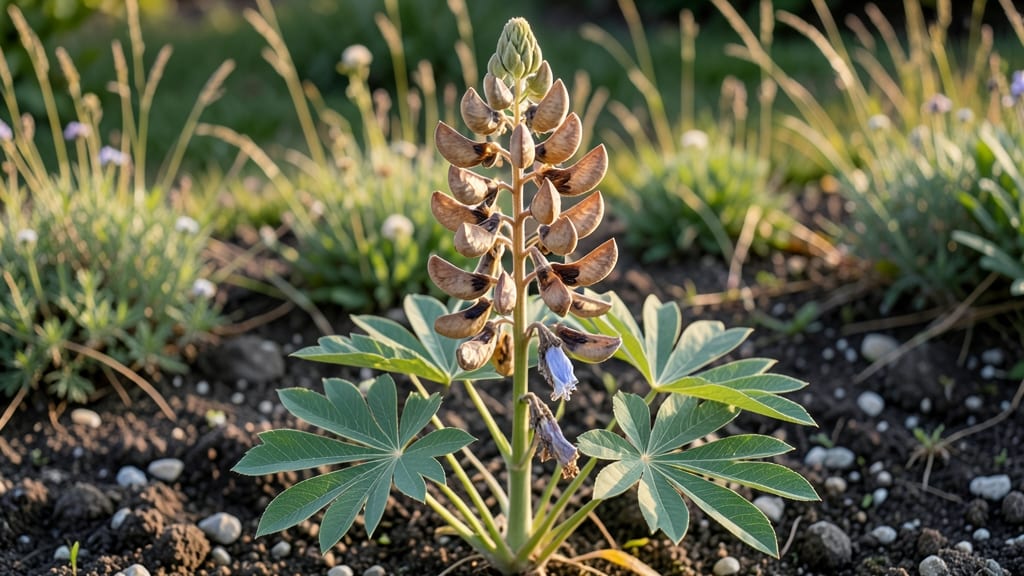
Lupine seed pods split open at the most inconvenient times—right when you're trying to save seeds. 🌱 I've learned the hard way that waiting too long means lost seeds, but harvesting too early means wasted effort.
The trick is knowing exactly when those pods are ready to collect, and how to split them cleanly without losing a single seed.
Mature lupine pods turn from green to a papery brown, and the tips begin to curl back dramatically—this is your cue to act. Most varieties like the tall blue Lupinus perennis or the showy Lupinus polyphyllus follow this pattern, though some may need a gentle tap to release seeds.
The key is patience: harvest on a dry day when the pods are fully open but haven't scattered seeds everywhere.
Once you've collected them, the natural pod-splitting hack is simple: lay pods on a tray and let them dry completely in a warm, dry spot. After a week, they'll split open on their own, releasing seeds that are ready for storage.
You'll end up with a stash of seeds that's 100% viable and ready to plant next spring—no waste, no mess.
This method works for all lupine varieties, whether you're growing them for soil improvement, pollinator support, or just their striking blooms. Just be patient—rushing the process is what leads to lost seeds and frustrated gardeners. Let's get those pods ready!
📚 In This Guide
- What you need
- Instructions
- Tips and common mistakes
- Wrapping up and next steps
What you need
- ● Mature lupine seed pods: 10–20 pods (harvested when they turn brown and dry, typically late summer to fall).
- ● Heavy-duty gloves: 1 pair (to protect hands from sharp pod edges—trust us, they’re spiky!).
- ● Cutting board or sturdy tray: 1 (to contain seeds and prevent mess).
- ● Small hammer or mallet: 1 (for gently tapping pods open—no power tools!).
- ● Fine-mesh strainer or sieve: 1 (to separate seeds from chaff, ~3–4 inch diameter).
- ● Paper towels or newspaper: 1–2 sheets (for drying seeds and cleaning up debris).
- ● Air-tight storage container: 1 (quart-sized with a lid, for storing seeds long-term).
- ● Scissors or pruning shears: 1 pair (for trimming pods if needed).
- ● Seed drying rack: 1 (speeds up the drying process if pods are damp).
- ● Labeling tags: 1–2 (to mark containers with the harvest date and variety).
- ● Magnifying glass: 1 (for inspecting seeds for pests or damage).
- ● Food-safe bleach solution (1 tsp bleach per gallon of water): For sanitizing containers if storing seeds for next year’s garden.
How to extract lupine seeds without wasting a single pod
Here’s my favorite way to open lupine pods—no tools needed, just a little patience and the right technique.
🌱 Step 1: Harvest Pods at Peak Ripe Stage
Wait until the pods turn a deep, papery brown and feel dry to the touch—this means they’re ready. If you harvest too early, the seeds won’t be fully developed, and if you wait too long, the pods may split open naturally and scatter seeds everywhere. I like to check them in late summer when the pods start looking like tiny, dried-up sausage links.
Gently twist each pod from the stem and lay them on a clean, dry surface. Avoid dropping them—lupine seeds are delicate and can crack if mishandled. If you’re working with a large batch, spread them out on a baking sheet to dry for an extra day in a warm, dry spot. This ensures the pods are completely dry and easier to open.
💧 Step 2: Soften the Pods for Easier Splitting
Place the dried pods in a sealed plastic bag with a damp paper towel. The moisture will soften the tough outer shell just enough to make splitting easier, but not so much that the seeds get damaged. Seal the bag and let it sit overnight—this is where the magic happens. You’ll know it worked when the pods feel slightly pliable and less brittle.
I know it seems counterintuitive to add water, but lupine pods are notoriously tough. Skipping this step means struggling to split them by hand, which can lead to broken seeds or wasted effort. If you’re in a hurry, you can speed this up by microwaving the pods for 10-15 seconds, but I prefer the overnight method for consistency.
✂️ Step 3: Split the Pods Open Without Damaging Seeds
Lay a pod flat on a clean surface and press firmly along the seam where the two halves meet. You’ll hear a faint pop as the pod splits open—this is your cue to stop pressing. If you’re using your fingers, grip the pod gently and twist it apart rather than forcing it. The goal is to separate the pod cleanly so the seeds inside stay intact.
Once the pod is open, carefully shake out the seeds onto a tray or piece of paper. Lupine seeds are small and round, often with a slight sheen. If any seeds stick to the pod, use a soft brush or your fingers to coax them out. I like to work in small batches so I don’t lose track of seeds or accidentally mix them with debris.
☀️ Step 4: Dry and Store Seeds for Long-Term Use
Spread the extracted seeds on a screen or paper towel in a warm, dry place for 2-3 days. This ensures any remaining moisture evaporates, preventing mold or rot. Stir them gently once a day to speed up the drying process. You’ll know they’re ready when they feel dry to the touch and rattle slightly when shaken in a container.
Store the dried seeds in an airtight container, like a small glass jar or envelope, in a cool, dark place. Lupine seeds can last for years if kept dry, but I like to label them with the date and variety so I don’t forget. If you’re saving them for planting, wait until spring to sow—lupines need a cold stratification period to germinate properly.
🪴 Step 5: Reuse the Empty Pods Creatively
Don’t toss the empty pod halves! They’re perfect for crafts, like making mini planters or decorative art. You can also crush them lightly and mix them into compost—they’ll break down slowly and add texture to your soil. I’ve even used them as seed starters by filling them with soil and planting small seeds inside, then transplanting the whole pod into the ground later.
If you’re feeling ambitious, you can also use the pods to make natural dyes or even jewelry. Just clean them thoroughly and let your creativity take over. This step is all about zero waste—every part of the lupine pod has a purpose if you know how to use it.
Tips & tricks for perfect lupine seed extraction
A few simple tricks will help you extract every last seed from those stubborn lupine pods without wasting a single one.
Timing Secret: In Step 1, when harvesting pods, focus on the dryness test over color—pods should feel dry and papery, not just brown. I’ve found that pods harvested in the late morning after dew has evaporated are easiest to work with later. If you’re unsure, split one open to check seed development before committing to a whole batch.
Breakthrough Moment: For Step 2’s overnight soaking, I’ve tested different moisture levels and found that one damp paper towel per quart-sized bag works perfectly. Too much moisture risks seed damage, while too little leaves pods too tough. If you’re short on time, the microwave trick of 10-15 seconds actually works best when you spread pods in a single layer first—this prevents uneven heating that can cause some pods to over-soften.
Selection Tip: When working with Step 3’s splitting process, I’ve noticed that pods with visible seed shadows through the shell split most easily. These are the ones to prioritize first. For the stubborn ones, try pressing along the seam with a wooden spoon handle—the flat edge gives better leverage than fingers without risking seed damage. Always work on a light-colored surface so you can spot any seeds that might fall during the process.
Make-Ahead Move: You can prep pods up to Step 2 ahead of time and store them in the fridge overnight. Just place the sealed bag of pods in the fridge for 12 hours instead of leaving at room temperature—this creates the same softening effect without risking condensation buildup. The seeds will be ready for Step 3 when you are, and you’ll save time on harvest day.
Pro Tips for Lupine Seed Pods
- A few simple tricks will help you extract every last seed from those stubborn lupine pods without wasting a single one.
- Timing Secret: In Step 1, when harvesting pods, focus on the dryness test over color—pods should feel dry and papery, not just brown.
- Breakthrough Moment: For Step 2’s overnight soaking, I’ve tested different moisture levels and found that one damp paper towel per quart-sized bag works perfectly.
Frequently asked questions
Got questions about working with lupine seed pods?
Here are some of the most common ones—and their answers—to help you master the zero-waste extraction process like a pro!
Are lupine seed pods toxic or harmful to handle?
Lupine seed pods contain alkaloids, which can be toxic if ingested raw or in large quantities. However, the outer pods themselves are safe to handle—just avoid crushing or inhaling the powdery residue. Wear gloves if you’re sensitive to plant compounds, and always wash your hands afterward. Pro tip: If you’re growing lupines for wildlife, leave some pods intact for birds and insects!
How long do lupine seed pods take to dry before splitting?
Freshly harvested pods need 1–2 weeks to fully dry indoors (out of direct sunlight) before they’ll crack open easily. Test readiness by gently pressing a pod—if it splits with minimal pressure, it’s ready! Troubleshooting: If pods stay stubbornly closed, try placing them in a paper bag for 24 hours to speed up the process.
Can I reuse the empty lupine seed pod husks?
Empty husks are biodegradable and make great compost material. For creative reuse, try:
- Filling them with dried flowers for potpourri
- Using them as seed-starting pots (plant directly in soil)
- Weaving them into natural decorations
What if my lupine pods won’t split naturally?
If pods resist splitting, try these tricks:
- Freeze them overnight (the cold shock helps crack them open)
- Lightly tap them with a wooden spoon on a hard surface
- Soak them in warm water for 30 minutes to soften fibers
Are there alternatives to lupine seed pods for seed extraction?
Yes! Other self-splitting seed pods include:
- Milkweed (for monarch butterflies)
- Poppies (easy to crack open)
- Lavender (dried buds release seeds with a gentle squeeze)
Wrapping up and next steps
Lupine seed pods offer a zero-waste, eco-friendly way to extract seeds while reducing garden clutter—no tools or mess required! 🌱 Whether you're a gardener looking to propagate plants or simply tidy up your yard, this natural method is simple, sustainable, and rewarding.
Give it a try and enjoy the satisfaction of working with nature’s built-in design.
Ready to dive deeper? Experiment with different lupine varieties or share your results with fellow gardeners—your green thumb might inspire others to go pod-splitting too! 🌿