
Lawn
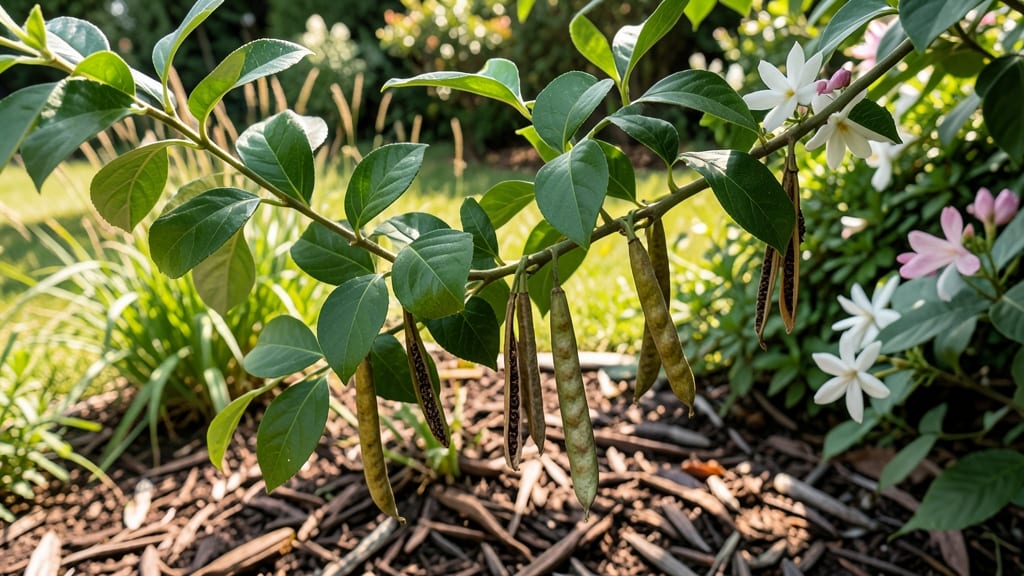
Harvesting jasmine seed pods before they twist and shatter means viable seeds for next year’s fragrant vines. 🌿 I learned the hard way—waiting too long turns those pods into brittle husks that crumble at the touch.
The key is timing: collect them when they’re plump but still firm, just before they start splitting open. You’ll need a few simple tools: pruning shears for clean cuts, a bowl for collecting pods, and a warm, dry spot to process them.
Star jasmine (Trachelospermum jasminoides) and Confederate jasmine (Trachelospermum cisssoides) both produce seeds this way, though star jasmine is easier for beginners. Ripe pods should yield to gentle pressure but not split when you squeeze them.
Once you’ve gathered them, crack open the pods to extract the seeds—soak them in warm water for 24 hours to speed up germination. Plant them in well-draining soil, barely covering them, and keep the soil consistently moist.
In about 2-3 weeks, you’ll see tiny sprouts pushing through, ready to grow into your own fragrant climbers. This method works best in late summer or early fall, just before the first frost. With patience, you’ll have seedlings ready for transplanting in spring—no need to buy expensive nursery plants.
The scent alone makes it worth the effort.
📚 In This Guide
- What you need
- Instructions
- Tips and common mistakes
- Wrapping up and next steps
What you need
- ● Mature jasmine seed pods: 10–20 pods (harvest when they turn brown and split slightly 🌿).
- ● Pruning shears or sharp scissors: 1 pair (sterilized to avoid disease transfer).
- ● Paper towels or newspaper: 2–3 sheets (for drying seeds).
- ● Small bowl or tray: 1 (for seed collection).
- ● Fine-mesh strainer or sieve: 1 (to separate seeds from debris).
- ● Paper envelope or airtight container: 1 (for seed storage).
- ○ Rubbing alcohol (70% isopropyl) & cotton swabs: 1 bottle + 2–3 swabs (for sterilization, optional but recommended).
- ● Gloves: 1 pair (to protect hands from sap or thorns).
- ● Labeling markers: 1 (to tag containers with harvest dates).
- ● Seedling trays or pots: 2–4 (if propagating new plants 🌱).
- ● Hair dryer (cool setting): 1 (for speed-drying seeds).
- ● Humidity pack: 1 (for long-term seed storage).
Step-by-Step guide to harvesting jasmine seed pods
Here’s how to collect seeds from jasmine plants without damaging the pods or losing viability.
🌿 Step 1: Identify and Wait for Mature Seed Pods
Jasmine seed pods turn from green to a dry brown when fully mature—this usually happens 4-6 weeks after flowering. Wait until the pods split open slightly on their own; harvesting too early means seeds won’t germinate. Gently shake the plant to check for loose pods, but don’t force them open.
Look for pods that are paper-thin and brittle—they should crumble slightly when pressed between your fingers. If they’re still firm, leave them another week. Overripe pods release seeds prematurely, so timing is everything. I always harvest in the morning after dew dries to avoid moisture-related spoilage.
✂️ Step 2: Carefully Twist and Remove Pods Without Breaking Them
Use a small pair of clean pruning shears to snip the stem ½ inch below the pod—this prevents tearing the delicate seed casing. Hold the pod gently between your thumb and forefinger, then twist slowly in a quarter-circle motion until it detaches cleanly. If it resists, you’re pulling too hard; let it dry another day.
Place pods in a paper bag (not plastic) to allow airflow and prevent mold. Avoid stacking them—keep pods in a single layer so they don’t crush each other. I label each bag with the harvest date, since jasmine seeds lose viability after 6-12 months if stored improperly.
🌱 Step 3: Extract Seeds and Dry Them Properly
Once pods are fully dry (they’ll rattle when shaken), place them on a clean, dry towel and gently press to release seeds. Avoid shaking vigorously—this can damage the tiny, winged seeds. Sort through debris with a fine-mesh strainer, discarding empty husks and chaff.
Spread seeds on a screen or paper towel in a warm, dry spot (around 70-75°F) for 3-5 days. Stir them daily to prevent clumping. Seeds are ready when they’re light brown and hard—they should feel dry to the touch. Store them in an airtight container with silica gel packets to maintain moisture control.
⏰ Step 4: Test Germination Before Long-Term Storage
Before storing seeds, test a few to confirm viability. Plant 3-5 seeds in a small pot with moist potting mix, cover lightly with soil, and place in a warm, humid environment (like a propagator or sealed plastic bag). Keep the soil evenly moist but not soggy—jasmine seeds rot quickly if overwatered.
Germination takes 2-4 weeks at 70-75°F. If none sprout after a month, your seeds may be too old. Successful germination means you’ve harvested at the right time. Store viable seeds in a cool, dark place (like a fridge) for up to 1 year—just check them every few months for signs of mold or pests.
Tips & tricks for perfect jasmine seed pod harvesting
Timing and gentle handling make all the difference when harvesting jasmine seeds—here's how to avoid common pitfalls.
Timing Secret: The 4-6 week window after flowering is critical for seed viability. I've learned the hard way that harvesting too early results in seeds that won't germinate, while waiting too long causes premature seed release. Check for that signature dry brown color and slight brittleness—these are your best indicators. Morning harvests after dew dries prevent moisture damage that can reduce seed quality.
The Technique That Changed Everything: When twisting pods in Step 2, use a quarter-circle motion rather than a full rotation. I discovered this after breaking several pods with aggressive twisting. The quarter-turn releases the pod cleanly while maintaining its integrity. If resistance is felt, let the pod mature another day—never force it. This simple adjustment has saved me countless hours of frustration.
Drying Wisdom: The 3-5 day drying period at 70-75°F requires consistent attention. I've found that stirring seeds daily prevents clumping and ensures even drying. Place them on a screen rather than paper towel for better airflow—this prevents moisture retention that could lead to mold. Test dryness by gently pressing a seed; it should feel hard and light brown, not soft or discolored.
Germination Test: Planting just 3-5 seeds for the viability test is perfect—it gives you results without wasting your entire harvest. I've seen germination times vary between 2-4 weeks at 70-75°F, so patience is key. If none sprout after a month, your seeds may have lost viability during storage. This test is your quality control before committing to long-term storage.
Pro Tips for Jasmine Seed Pods
- Timing and gentle handling make all the difference when harvesting jasmine seeds—here's how to avoid common pitfalls.
- Timing Secret: The 4-6 week window after flowering is critical for seed viability.
- The Technique That Changed Everything: When twisting pods in Step 2, use a quarter-circle motion rather than a full rotation.
Frequently asked questions
Got questions about harvesting jasmine seed pods? You’re not alone! Here are some of the most common queries—plus practical answers to help you succeed.
When is the best time to harvest jasmine seed pods for seeds?
The ideal time is late fall or early winter (after the first frost) when pods turn brown and begin to split naturally. If harvested too early, seeds won’t be fully mature; too late, and they may scatter or lose viability. Aim for pods that are dry but still intact—this ensures the highest germination rate.
Why are my jasmine seed pods twisting or curling before I can harvest them?
Twisting pods are a sign of overripe seeds or fungal stress (like powdery mildew). To prevent this, harvest pods before they fully dry on the vine—use sharp pruners to snip them cleanly. Store them in a paper bag in a cool, dry place to slow moisture loss and reduce curling.
Can I use jasmine seed pods from my garden for planting, or do I need to buy special seeds?
Seeds from your own jasmine pods are 100% viable if harvested and stored correctly. Just ensure the parent plant is healthy (no pests/diseases) and pods are fully mature. For extra insurance, test germination by soaking a few seeds in water—if they sink, they’re likely good to go!
What’s the best way to store jasmine seed pods long-term?
Store pods in a breathable container (like a mesh bag or envelope) in a cool (35–40°F), dry spot (e.g., fridge crisper drawer). Avoid plastic—it traps moisture and speeds up spoilage. Label with the harvest date; most jasmine seeds stay viable for 1–2 years if stored properly.
What do I do if my jasmine seed pods are already on the ground?
Don’t panic! Collect fallen pods immediately and dry them indoors (spread on a screen or paper towel). If pods are cracked or seeds are exposed, plant them right away—they’ll germinate faster. For stubbornly closed pods, lightly nick them with a knife to encourage seed release without damaging viability.
Wrapping up and next steps
Harvesting jasmine seed pods with care ensures you collect viable seeds for future growth—no twisting required! 🌱 By following the right timing, gentle handling, and proper drying techniques, you’ll maximize your success. Whether you’re a gardening enthusiast or a lawn care pro, these tips make the process simple and rewarding.
Ready to grow your own jasmine? Grab your gloves, pick those pods, and let nature do the rest. Happy gardening! 🌿