
Lawn
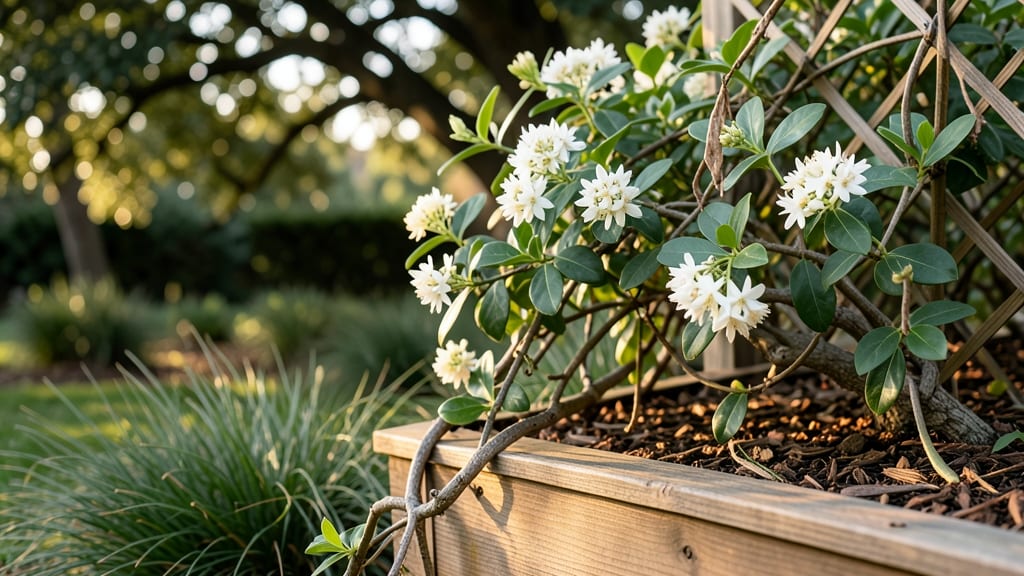
Harvesting Confederate jasmine seed pods at the right time means fragrant blooms next spring—here’s the exact timeline that works. 🌱 The pods turn from green to brown in late fall, signaling they’re ready to collect, but rushing too early or waiting too long ruins your chances.
I’ve learned the hard way that patience here pays off with stronger seedlings.
You’ll need just a few supplies: sharp pruners for harvesting, a paper bag for drying, and a warm, bright spot for germination. The soil mix should be lightweight—equal parts peat moss and perlite—so those delicate roots get the air they need.
Most gardeners overlook this step, but it’s what separates weak seedlings from thriving plants.
Germination takes 4-6 weeks if done right, with sprouts appearing within 2-3 weeks of planting. The key is keeping the soil consistently moist (not soggy) and warm—around 70°F—using a heat mat if your home runs cooler.
By spring, you’ll have sturdy young plants ready to transplant, though they may not bloom as heavily as grafted varieties.
Fair warning: seed-grown plants sometimes lose the parent’s vigor, so save cuttings from your best bloomers for guaranteed fragrance. But if you’re willing to experiment, the reward is watching those first creamy-white flowers unfurl in your own yard—exactly where you planted them.
📚 In This Guide
- What you need
- Instructions
- Tips and common mistakes
- Wrapping up and next steps
What you need
- ● Confederate Jasmine Seed Pods: 10–20 fresh, fully dried pods (harvested in late fall/winter for best viability).
- ● Well-draining potting mix: 1–2 gallons of a blend designed for seeds/seedlings (e.g., 60% peat moss, 30% perlite, 10% vermiculite).
- ● Small seed trays or pots: 2–4 shallow containers (3–4 inches deep) with drainage holes.
- ● Spray bottle: For gentle watering (avoid over-saturating seeds!).
- ● Plastic wrap or humidity dome: To create a mini greenhouse effect.
- ● Grow lights or sunny windowsill: A warm spot (70–75°F) with 12+ hours of indirect light daily.
- ● Fine-mesh screen or paper towels: For cold stratification (if pre-treating seeds).
- ● Patience & a notebook: Track moisture, temperature, and germination dates!
- ● Seed scarification tool: Sandpaper (100–150 grit) or a knife to nick seed pods if viability is low.
- ● Heating mat: For consistent warmth (65–70°F) if your home runs cool.
- ● Fertilizer (diluted): A balanced 10-10-10 or fish emulsion (once seedlings sprout).
- ● Humidity tray: A shallow tray with pebbles + water to boost moisture levels.
- ● Garden gloves: To handle prickly seed pods safely.
Step-by-step guide to germinating Confederate jasmine seed pods
Here's how to break the dormancy cycle and coax these finicky seeds into strong, blooming plants.
🌱 Step 1: Collect and Stratify the Seed Pods
Harvest mature pods in late fall after they've naturally dried on the vine. The seeds inside must experience a cold period to break dormancy—this mimics winter's natural process. Place the pods in a paper bag with a handful of moist sand or perlite, then refrigerate for 8-12 weeks at 35-40°F. Check weekly by gently squeezing a pod—it should feel firm but slightly pliable, not rock-hard.
This cold treatment is critical. I've tried skipping it, and the seeds either rot or refuse to sprout. The key is patience—don't rush the stratification. Once the pods soften slightly, they're ready for the next phase. Real talk: If you collect pods in early fall, they may need an extra 2-3 weeks of cold treatment.
💧 Step 2: Soak and Plant the Seeds
Remove seeds from the pods and soak them in lukewarm water for 24 hours to soften the tough outer coating. This step prevents the seeds from drying out during planting. After soaking, plant them ¼ inch deep in a well-draining mix of 50% peat moss and 50% perlite, using the 4-inch pots you've prepared. Confederate jasmine seeds are tiny—just 1-2 per pot to avoid overcrowding.
Keep the soil consistently moist but never soggy. You'll notice condensation on the pot's sides when moisture is right—this means you're maintaining the perfect humidity for germination. Place the pots in a clear plastic bag to create a mini greenhouse effect, but leave them in indirect light for the first 2-3 weeks. Direct sun now will scorch the delicate seedlings.
☀️ Step 3: Provide Warmth and Light for Germination
Move the pots to a warm spot (70-75°F) once you see the first signs of sprouting—tiny green tips pushing through the soil. A seedling heat mat helps maintain consistent warmth if your home runs cooler. Confederate jasmine seeds can take 4-8 weeks to germinate, so don't give up if nothing appears in the first 3 weeks. Patience is key here.
Once the seedlings emerge, remove the plastic bag immediately to prevent fungal growth. Place them under grow lights for 14-16 hours daily, keeping the lights 3-4 inches above the seedlings. You'll know the light is adequate when the leaves are a vibrant green, not pale or stretched. If the seedlings grow leggy (long stems with sparse leaves), they need more light or need to be moved closer.
🌿 Step 4: Harden Off and Transplant
After the seedlings develop 4-5 sets of true leaves, start hardening them off by placing them outside in a shaded, sheltered spot for 1-2 hours the first day. Gradually increase their outdoor time over 10-14 days, slowly introducing them to morning sun only. Confederate jasmine is sensitive to harsh afternoon sun when young. You'll see the leaves toughen and darken as they acclimate.
Transplant the seedlings into 6-inch pots filled with a mix of 60% potting soil and 40% compost once they've been hardened off. Choose a spot with partial shade for the first growing season—they'll need protection from intense sun until established. Water deeply after transplanting to help the roots settle into their new home. Mulch the soil surface with a thin layer of orchid bark to retain moisture and regulate soil temperature.
⏰ Step 5: Overwinter and Prepare for Spring Blooms
Bring the potted seedlings indoors before the first frost, placing them in a cool (50-60°F), bright location with minimal watering—just enough to keep the soil slightly moist. Confederate jasmine enters a semi-dormant state in winter, so don't expect growth. In early spring, resume regular watering and gradually reintroduce them to outdoor conditions. You'll see new growth within 4-6 weeks, signaling it's time to plant them in their permanent location.
Choose a south-facing spot with dappled sunlight for mature plants. Confederate jasmine thrives in well-draining, slightly acidic soil (pH 5.5-6.5). Once established, they'll reward you with fragrant, star-shaped blooms in late spring to early summer. The key to reliable blooms is consistency—keep the soil evenly moist but never waterlogged, and prune lightly after flowering to encourage bushier growth next season.
Tips & tricks for germinating Confederate jasmine seed pods
These practical insights will help you navigate the delicate process of breaking dormancy and nurturing these finicky seeds into thriving plants.
Stratification Precision: The 8-12 weeks of cold treatment at 35-40°F is non-negotiable for Confederate jasmine. I've learned this the hard way—skipping stratification leads to either rot or complete failure to sprout. Place pods in a sealed container with a damp paper towel to maintain consistent moisture during this period. If your refrigerator runs cooler than 35°F, consider using a seed stratification fridge or a DIY setup with a cooler and ice packs. The goal is to mimic winter conditions exactly.
Seed Soaking Technique: When soaking seeds for 24 hours in lukewarm water, use a glass jar to monitor the water level. Change the water after 12 hours to prevent bacterial growth. After soaking, gently pat the seeds dry with a paper towel before planting—they should feel damp but not wet. This prevents fungal issues in the moist peat moss-perlite mix. I've found that using distilled water reduces mineral buildup that can inhibit germination.
Light Management: The first 2-3 weeks under indirect light are crucial. Place pots near an east-facing window where they'll receive gentle morning sunlight without harsh afternoon rays. If using grow lights, position them 3-4 inches above the seedlings and adjust as they grow. Watch for condensation on the plastic bag—this indicates proper humidity levels. If you notice water droplets forming inside the bag, it's time to remove it temporarily to prevent mold growth.
Transplanting Strategy: When moving seedlings to 6-inch pots, handle them by their leaves rather than the delicate stems. Gently loosen the roots from the 4-inch pots to encourage branching. After transplanting, place pots in a shaded area for 24 hours before introducing them to morning sun. This gradual transition prevents transplant shock. I've had the best success using a 60% potting soil and 40% compost mix—this provides the slightly acidic conditions Confederate jasmine prefers while ensuring good drainage.
Pro Tips for Confederate Jasmine Seed Pods
- These practical insights will help you navigate the delicate process of breaking dormancy and nurturing these finicky...
- Stratification Precision: The 8-12 weeks of cold treatment at 35-40°F is non-negotiable for Confederate jasmine. I've...
- Seed Soaking Technique: When soaking seeds for 24 hours in lukewarm water, use a glass jar to monitor the water level...
Frequently asked questions
Got questions about growing Confederate jasmine from seed pods?
You’re not alone! Here are the most common queries—plus straightforward answers—to help you master germination and get those fragrant blooms next spring.
When is the best time to plant Confederate jasmine seed pods?
Plant seed pods as soon as they’re ripe (late fall or winter) or store them in a cool, dry place until spring. Confederate jasmine thrives in warm climates, so aim for after the last frost—typically March or April in most regions. If you’re in a colder zone, start indoors 8–10 weeks before the last frost for a head start.
How long do Confederate jasmine seed pods take to germinate?
Germination can take 4–12 weeks, depending on temperature and moisture. Keep soil consistently moist (not soggy) and maintain warmth (70–75°F). Patience is key—some seeds may sprout faster with a warmth mat or bottom heat. If nothing emerges after 3 months, the seeds might need stratification (cold treatment) or could be non-viable.
Can I use store-bought Confederate jasmine seeds instead of seed pods?
Yes! While seed pods are free and fun to collect, store-bought seeds often have higher germination rates and may include pre-treated varieties. Look for organic or heirloom options to avoid chemicals. If using pods, ensure they’re fully mature (hard and dry) to maximize success. Pro tip: Soak pods overnight in water before planting to soften the shell.
Why aren’t my Confederate jasmine seeds sprouting?
Common culprits include dormancy (seeds need cold stratification), poor soil (use well-draining, sandy mix), or temperature swings. Try these fixes:
- Stratify seeds: Place pods in a plastic bag with damp peat moss and refrigerate for 4–6 weeks.
- Check moisture: Overwatering can rot seeds; underwatering halts growth.
- Test viability: Cut open a pod—if the seed is firm and intact, it’s likely good.
How do I care for seedlings once they sprout?
Once sprouts appear, keep them in bright, indirect light and reduce watering slightly to prevent damping-off disease. Transplant seedlings outdoors only after they’ve developed 2–3 sets of true leaves and nighttime temps stay above 55°F. Harden them off gradually (7–10 days) by exposing them to outdoor conditions for a few hours daily. Mulch young plants to retain moisture and protect roots.
Wrapping up and next steps
Growing Confederate jasmine seed pods is a rewarding journey that leads to fragrant blooms next spring! By following the right germination timeline—stratifying seeds, planting at the right depth, and maintaining patience—you’ll set your plants up for success.
Whether you’re a seasoned gardener or just starting, these steps ensure vibrant, healthy growth and those coveted sweet-scented flowers.
Ready to take the next step? Start your seeds today and watch your garden transform! For extra tips, check out our gardening resources or share your progress with fellow plant enthusiasts. Happy planting! 🌱✨