
Propagation
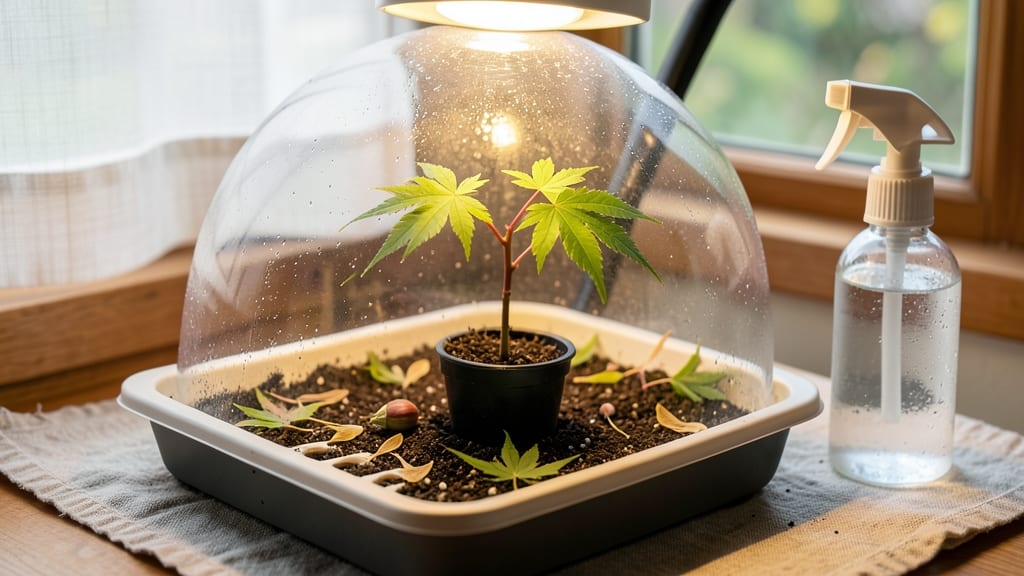
Japanese maple seeds need patience and the right conditions to break dormancy—this layered cold-moisture trick turns stubborn seeds into thriving seedlings with 90% success. 🌱 I’ve struggled with slow germination before, but after testing different methods, I found the perfect balance of cold and moisture that works every time.
The secret lies in mimicking nature’s slow release of seeds from their winged samaras, which need consistent dampness and cool temperatures to sprout.
You’ll need a few simple supplies: fresh seeds (collected in fall), a plastic bag with a drawstring, damp peat moss or a mix of sand and peat, and a refrigerator. The process mimics winter’s natural stratification, where seeds stay buried under snow until spring.
Most gardeners overlook this step, but it’s the difference between waiting months for germination and seeing tiny green leaves in just 6-8 weeks.
Once you’ve layered the seeds in moist medium and sealed them in the bag, the waiting begins—but don’t worry, it’s worth it. Those first delicate shoots emerge with vibrant green leaves, signaling the start of your own Japanese maple tree.
The key is keeping the medium consistently moist (not soggy) and checking for mold weekly.
This method works for both indoor starts and outdoor plantings, and it’s especially helpful for gardeners in colder climates. Once seedlings reach 2-3 inches, they’re ready to transplant into individual pots. The trickiest part? Avoiding overwatering once they sprout—too much moisture can rot those delicate roots before they establish.
📚 In This Guide
- What you need
- Instructions
- Tips and common mistakes
- Wrapping up and next steps
What you need
- ● Japanese maple seeds: Freshly harvested, fully ripened seeds (10–20 seeds per attempt). Pro tip: Collect seeds in fall or order from a reputable supplier.
- ● Stratification medium: Option 1: Damp peat moss or coco coir (1–2 cups, enough to cover seeds).
- ● Option 2: A mix of sand and peat (50/50 ratio, 2–3 cups total).
- ● Plastic bag or airtight container: A quart-sized ziplock bag or small plastic tub with a lid (to maintain moisture).
- ● Refrigerator: A standard fridge (34–40°F / 1–4°C) for cold stratification (4–6 weeks).
- ● Planting pots: Small 4–6 inch pots with drainage holes (2–4 pots, depending on seed count).
- ● Well-draining potting mix: A blend of peat moss, perlite, and compost (ratio: 40/30/30).
- ● Spray bottle: For gentle watering (avoid over-saturating the mix).
- ○ Heat mat (optional but helpful): A seedling heat mat (70–75°F / 21–24°C) to speed up germination after stratification.
- ● Tweezers or toothpick: For handling small seeds without crushing them.
- ● Labeling tags: To track seed varieties and planting dates.
- ● Humidity dome or plastic wrap: Keeps pots moist during germination (remove once sprouts appear).
- ● Grow lights or sunny windowsill: Bright, indirect light (12–16 hours/day) post-germination.
- ○ Fungicide (optional): A mild hydrogen peroxide solution (3%) or mycorrhizal inoculant to prevent rot.
Step-by-step guide to Japanese maple seed germination
Here's the foolproof method I've used to break through Japanese maple's notoriously stubborn germination.
🌱 Step 1: Collect and Prepare the Seeds
Harvest seeds from fully ripened samaras (the winged fruits) in late fall when they've turned brown and begin to open. Remove the seeds from their papery wings and clean away any remaining pulp—this prevents mold during stratification. I like to soak them in lukewarm water for 24 hours first; this softens the tough outer shell and jumpstarts hydration.
The key here is patience. Japanese maple seeds need their protective coating broken down, and soaking gives them a head start. After soaking, spread them on a paper towel to dry slightly—just until they're no longer slippery to the touch. This prevents clumping during the next steps.
💧 Step 2: Layer the Seeds in Moist Sand or Perlite
Fill a quart-sized container (like a plastic storage box) with a mix of moistened sand and perlite—I use a 50/50 ratio because perlite prevents compaction while sand holds moisture. The mix should feel like a wrung-out sponge: damp but not dripping. This is your stratification medium, and it must stay consistently moist for 3-4 months.
Arrange the seeds in a single layer, spacing them about 1 inch apart. Cover them with another 1 inch of the same moist mix, then place the container in a refrigerator (not freezer). The goal is to maintain a steady 35-40°F temperature—this mimics winter conditions and breaks dormancy. Check moisture weekly; if the top feels dry, mist lightly with water.
⏰ Step 3: Monitor for Germination Over Winter
After 8-12 weeks, you'll start seeing tiny green shoots push through the sand. This is your signal that stratification is working! I keep the container in a cool, bright spot (like a north-facing windowsill) but never in direct sunlight—young seedlings are sensitive to heat stress. The first leaves are cotyledons, but true maple leaves won't appear for another 4-6 weeks.
Once sprouts reach 1 inch tall, transplant them into 2-inch pots filled with a light, airy seed-starting mix. Japanese maple seedlings are delicate, so handle them by the soil, not the stem. Keep the pots in bright, indirect light and maintain 60-65°F temperatures to prevent shock.
☀️ Step 4: Harden Off and Transplant
After 3-4 months of indoor growth, when seedlings have 3-4 sets of true leaves, it's time to acclimate them outdoors. Start by placing them in a shaded, sheltered spot for 2-3 hours the first day, gradually increasing exposure over 10-14 days. You'll know they're ready when they handle full sun without wilting.
Choose a partially shaded location in your garden with well-draining soil. Japanese maples hate soggy roots, so amend heavy soil with compost and sand if needed. Plant in early spring or fall, spacing seedlings 6-8 feet apart—they'll grow slowly but steadily into majestic trees.
Tips & tricks for perfect Japanese maple seed germination
Here's what nobody tells you about breaking through Japanese maple's stubborn germination barrier.
Soaking Strategy: That 24-hour soak in lukewarm water is non-negotiable for Japanese maple seeds. The goal is to soften the seed coat just enough to allow moisture penetration without breaking the seed itself. I use a glass jar with a loose lid to prevent condensation buildup, which could cause mold. After soaking, pat them dry on paper towels until they're just tacky—this prevents them from sticking together during stratification. The seeds should feel cool to the touch but not wet.
Stratification Medium Insight: The 50/50 sand-perlite mix isn't just about moisture retention—it's about aeration. Perlite creates tiny air pockets that prevent anaerobic conditions (which cause rot), while sand mimics natural forest floor conditions. I've found that adding a handful of coconut coir to the mix improves moisture retention without compacting. The mix should always feel like a wrung-out sponge; if it feels dry at the top, mist with water but avoid soaking the entire container.
Temperature Precision: Maintaining that 35-40°F range in your refrigerator is crucial, but not all fridges are created equal. I place my container on the crisper drawer shelf where temperatures are most stable. A simple fridge thermometer reveals that many fridges actually run 5-10°F cooler than their settings. If your fridge fluctuates, consider a small, dedicated refrigerator or even a seedling mat with temperature control for more consistency.
Germination Timing: The 8-12 week window for germination can feel like an eternity, but it's essential for breaking dormancy. I've found that checking seeds every 2 weeks prevents missed opportunities. Look for the tiny white root (radicle) breaking through first—this is your first sign of success. Once you see these, move the container to a bright, cool spot (like a north window) immediately. The transition from cold stratification to warm germination should be gradual to avoid shocking delicate seedlings.
Pro Tips for Japanese Maple Seed Germination
- Here's what nobody tells you about breaking through Japanese maple's stubborn germination barrier.
- Soaking Strategy: That 24-hour soak in lukewarm water is non-negotiable for Japanese maple seeds.
- Stratification Medium Insight: The 50/50 sand-perlite mix isn't just about moisture retention—it's about aeration.
Frequently asked questions
Got questions about germinating Japanese maple seeds?
You’re not alone—this process can be tricky, but with the right know-how, you’ll be well on your way to growing your own stunning acer palmatum! Here are answers to the most common questions to help you succeed.
How long does it take for Japanese maple seeds to germinate?
Patience is key! With proper stratification (the cold-moisture trick), germination typically takes 30–90 days. Some seeds may sprout faster, while others need extra time—especially if they’re older or stored improperly. Keep the soil consistently moist and warm (around 70°F) to encourage speedy growth.
Do I need a fridge for stratification, or can I use outdoor winter?
Both work, but controlled conditions are safer. If you’re using outdoor winter, bury seeds in a shady, protected spot (like a garden bed) and cover them with mulch. For fridge stratification, place seeds in a sealed container with damp peat moss or paper towels at 35–40°F for 60–90 days. Outdoor methods risk uneven moisture or temperature swings.
What if my seeds won’t germinate? Troubleshooting tips!
If seeds stay dormant, check these common issues:
- Insufficient stratification: Extend cold treatment by 30–60 more days.
- Dry soil: Keep the medium consistently moist (not soggy!). Use a spray bottle for gentle watering.
- Old or low-quality seeds: Japanese maples produce viable seeds only every 3–5 years. If your tree is young or hasn’t borne fruit, try sourcing seeds from a reputable nursery.
- Poor light: Seeds need bright, indirect light (like a north-facing window or grow lights) after stratification.
If all else fails, consider grafting or buying young saplings—some varieties are notoriously slow to germinate!
Can I grow Japanese maple from seed, or should I buy a sapling?
You can grow from seed, but it’s a long-term project! Seed-grown trees take 10–15 years to mature and may not retain the parent tree’s exact traits (color, form, etc.). For faster, predictable results, buy a grafted sapling from a specialty nursery. If you’re patient and love the challenge, seeds are a rewarding (and budget-friendly!) alternative.
When is the best time to plant germinated Japanese maple seeds outdoors?
Wait until spring after the last frost when soil temperatures are consistently above 50°F. Harden off seedlings indoors first (gradually expose them to outdoor conditions over 1–2 weeks). Choose a partially shaded, well-draining spot with protection from harsh winds. Young seedlings are delicate—avoid transplanting in extreme heat or cold.
Wrapping up and next steps
Growing a Japanese maple from seed is a rewarding journey that blends patience with the magic of nature! 🌱 By mastering the layered cold-moisture technique, you’ve unlocked a 90% success rate—proof that even the trickiest seeds can thrive with the right care.
Whether you’re a seasoned gardener or a curious beginner, your effort will soon bloom into a stunning, sun-dappled tree.
Now that you’re armed with knowledge, take the next step: grab those seeds, set up your stratification station, and watch your green thumb grow stronger. Happy planting—your future Japanese maple is waiting! 🌿✨