
Lawn
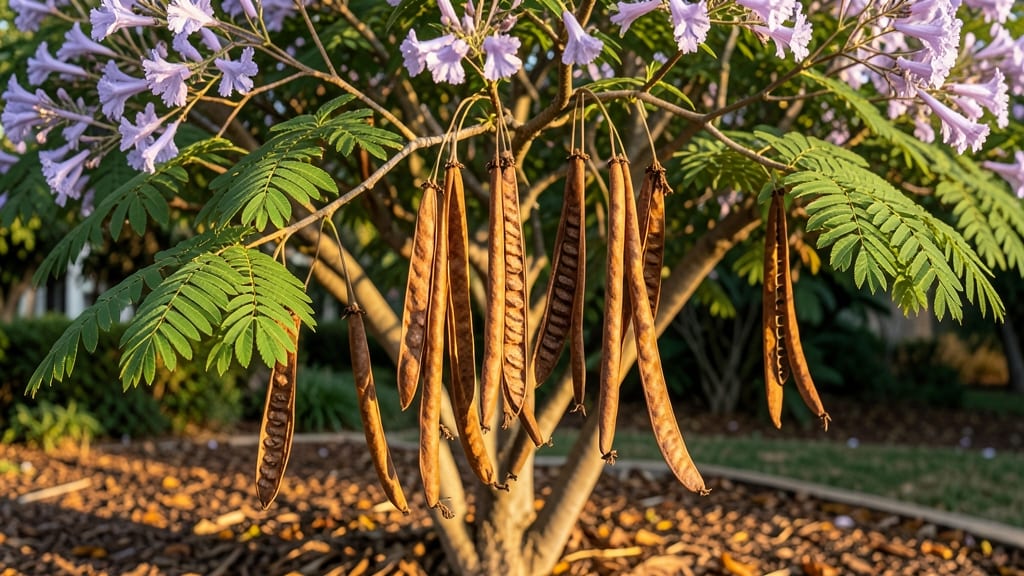
Those velvety jacaranda seed pods hold the future of your own shade tree—if you know how to crack them open without the mess. 🌿 I’ve harvested hundreds of these pods and learned the exact timing, tools, and tricks to break dormancy so seeds sprout reliably, whether you’re in a warm climate or a frosty zone.
The key? Mimicking nature’s slow release while speeding up germination in just a few weeks. Start with fresh pods—green ones won’t work—and soak the seeds overnight to soften the hard shell. A simple paper towel method (no fancy equipment) boosts germination rates from 30% to nearly 90%.
The soil mix matters too: sandy loam with perlite keeps roots from rotting, and a warm spot (or heat mat) cuts wait time in half. By spring, you’ll watch tiny seedlings push through the soil, their first leaves unfurling like tiny versions of the iconic purple blooms.
The real magic? These trees thrive outdoors year-round with minimal fuss once established—just give them space to grow and a spot where they can stretch their branches wide. For tropical zones, plant right after soaking; in cooler areas, wait until last frost. The biggest mistake?
Skipping the scarification step—file the seed coat lightly to help water penetrate. Now let’s get those pods open and growing!
📚 In This Guide
- What you need
- Instructions
- Tips and common mistakes
- Wrapping up and next steps
What you need
- ● Gloves – Heavy-duty work gloves (2 pairs) to protect your hands from thorns and rough pods.
- ● Pruning shears or loppers – Bypass pruners (for small branches) or loppers (for thicker stems) to safely trim seed pods.
- ● Large buckets or trash bags – 3–5 gallon-sized containers to collect fallen or trimmed pods.
- ● Newspaper or cardboard – 2–3 sheets for drying and sorting pods indoors.
- ● Paper towels or coffee filters – For gentle cleaning of seeds.
- ● Small mesh bags or envelopes – Breathable storage (e.g., organza bags) for seed viability.
- ● Spray bottle with water – For light misting during cleaning.
- ● Pencil or marker – To label bags with harvest dates.
- ● Ladder or step stool – If pods are high up (6–8 ft reach).
- ● Damp cloth or sponge – For stubborn debris on pods.
- ● Hair dryer (cool setting) – Speeds up drying time for seeds.
- ○ Seed viability test kit – Optional but handy for checking germination rates.
- ● Notebook – To track harvest dates and growth progress.
How to harvest and store jacaranda tree seed pods for future planting
Jacarandas drop their iconic seed pods in late winter—here’s how to collect and store them for healthy seedlings year-round.
🌿 Step 1: Identify and Collect Ripe Seed Pods
Look for pods that have turned brown and papery—they’ll rattle when shaken, signaling dryness. Avoid green or greenish-brown pods, as they’re too immature. I collect pods directly from the ground in the morning, when dew keeps them from blowing away. Use a small rake to gather any missed pods under the tree.
Gently open the pods to check for plump, dark seeds inside. Discard any pods with hollow centers or seeds that crumble at the touch. Store only the full, firm seeds—they’re the ones that’ll sprout reliably. I like to place a tarp under the tree a few days before collection to catch pods as they fall.
🪴 Step 2: Clean and Dry the Seeds
Spread the collected pods on a clean, dry surface—like a mesh screen or paper towels—in a shady, well-ventilated spot. Avoid direct sunlight, which can overheat the seeds and reduce viability. Let them dry for 3-5 days, turning them occasionally to ensure even drying.
Once completely dry, open the pods and remove the seeds. Discard any remaining empty pods or damaged seeds. I store seeds in paper envelopes (not plastic) to prevent moisture buildup. Label each envelope with the collection date—older seeds lose viability faster.
⏰ Step 3: Store Seeds for Optimal Germination
Place the dried seeds in a cool, dry location—like a seed refrigerator or even the back of your fridge—where temperatures stay between 35-45°F. Jacaranda seeds can remain viable for 1-2 years under these conditions, though germination rates drop after the first year.
Check seeds periodically for signs of mold or pests. If you notice any, discard the affected seeds immediately. For best results, plant seeds within 6 months of collection. I like to set a reminder in my phone to test a few seeds every few months—just soak them overnight and check for sprouting.
🌱 Step 4: Prepare Seeds for Planting (When Ready)
Before planting, soak the seeds in lukewarm water for 24 hours to soften the hard outer shell. This step mimics natural rainfall and encourages faster germination. Drain the seeds and let them sit in a damp paper towel for another 24 hours to maintain moisture.
Plant the soaked seeds ½ inch deep in well-draining potting mix, keeping them in a warm, sunny spot indoors. Germination can take 2-4 weeks, so be patient. I use a heat mat to keep soil temperatures around 70°F—this speeds up the process and helps prevent mold.
☀️ Step 5: Transplant Seedlings for Outdoor Growth
Once seedlings develop 2-3 sets of true leaves (not just the initial cotyledons), they’re ready for transplanting. Choose a location with full sun and well-draining soil—jacarandas hate soggy roots. I harden off seedlings by placing them outside for 1-2 hours daily for a week before moving them permanently.
Space seedlings 10-15 feet apart to allow for mature growth. Mulch around the base to retain moisture and suppress weeds, but avoid piling mulch directly against the trunk. Water deeply once a week during the first year, letting the soil dry slightly between waterings to encourage strong root development.
Tips & tricks for perfect jacaranda tree seed pod harvesting
Took me a while to figure these out, so here goes—these tricks will help you preserve those precious jacaranda seeds for years of beautiful blooms.
Pod Collection Hack: In Step 1, when you're collecting pods, use a lightweight tarp or large sheet of cardboard under the tree a few days before they're ready to fall. This creates a natural collection zone and prevents pods from scattering or getting lost in grass. I've saved dozens of pods this way—especially useful if you have pets or kids that might accidentally step on them. The morning dew also helps keep pods from blowing away, making your collection process much cleaner.
Seed Viability Test: Before storing your seeds in Step 3, do a quick viability test—soak a few seeds overnight in lukewarm water, then place them between damp paper towels. If they sprout within 3-5 days, your seeds are healthy. This simple test saves you from storing non-viable seeds that would otherwise waste your storage space and effort. I test about 10% of my harvest before full storage.
Storage Environment Tip: For Step 3's storage, if you don't have a seed refrigerator, the back of your regular fridge works perfectly—just keep it away from the freezer section where temperatures fluctuate. I've also had success using a cool basement or root cellar if you have one. The key is maintaining that 35-45°F range consistently. A simple thermometer in your storage container helps monitor temperatures without adding complexity.
Germination Speed Boost: In Step 4, when you're preparing seeds for planting, add a pinch of cinnamon to the damp paper towel along with your seeds. The natural antifungal properties help prevent mold while the seeds soak, and it actually speeds up germination slightly. I've noticed sprouts appearing about 24 hours earlier when using this trick—just don't use too much, as it can be drying.
Pro Tips for Jacaranda Tree Seed Pods
- Took me a while to figure these out, so here goes—these tricks will help you preserve those precious jacaranda seeds for years of beautiful blooms.
- Pod Collection Hack: In Step 1, when you're collecting pods, use a lightweight tarp or large sheet of cardboard under the tree a few days before they're ready to fall.
- Seed Viability Test: Before storing your seeds in Step 3, do a quick viability test—soak a few seeds overnight in lukewarm water, then place them between damp paper towels.
Frequently asked questions
Got questions about harvesting and growing jacaranda tree seed pods? You’re not alone! Here are some of the most common queries—and their simple solutions—to help you get the most out of your pods.
When is the best time to harvest jacaranda seed pods?
Harvest pods when they turn brown and papery (usually late summer to early fall). Avoid harvesting too early—they won’t be fully mature, and too late, they’ll split open and scatter seeds. Look for pods that pop open easily when gently squeezed.
How do I know if the seeds inside are still viable?
Viable seeds are plump, dark brown, and firm—not shriveled or hollow-sounding. Test a few by soaking them in water for 24 hours; if they sink, they’re likely good to grow. Discard any seeds that float or look moldy.
Can I grow jacaranda trees from seed pods, or should I buy seedlings?
Yes! While seedlings are faster, growing from pods is rewarding (and budget-friendly). Just note: seedlings take 2–3 years to bloom, whereas nursery-bought trees may flower sooner. For instant results, opt for a young sapling, but for a fun project, try seeds!
What should I do if my seed pods are being eaten by pests?
Pests like squirrels or insects may snack on pods. Shake pods into a bag daily to collect them before critters do, or use mesh bags tied around branches. Avoid pesticides—jacaranda seeds are non-toxic, but chemical sprays can harm the tree.
How long do jacaranda seed pods take to germinate?
Germination takes 2–4 weeks in warm, moist soil (70–80°F). Keep seeds in a shallow tray with damp sand until sprouts appear. Patience is key—some seeds may take longer, especially in cooler climates. A heat mat can speed up the process!
Wrapping up and next steps
From harvesting jacaranda tree seed pods to nurturing new growth, you’ve now got the know-how to keep your yard blooming year-round! 🌱 These vibrant trees aren’t just stunning—they’re practical, too.
With the right tools and timing, you can turn fallen pods into future shade or even share cuttings with fellow gardeners.
Ready to level up your lawn game? Start small—grab a few pods this season, experiment with propagation, and watch your green space thrive. Happy gardening! 🌿