
Lawn
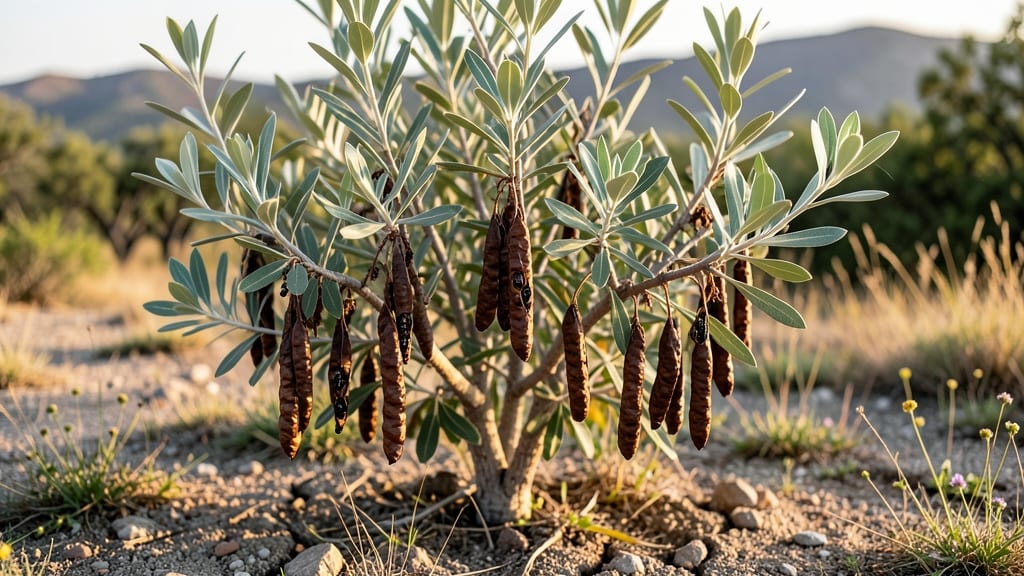
Harvesting Texas mountain laurel seed pods at the right moment transforms a tricky task into a foolproof way to grow these drought-resistant beauties. 🌿 The pods turn from green to papery brown—usually in late summer to early fall—when they’re finally ready, but timing is everything if you want viable seeds.
Here’s the secret: never twist. Instead, gently pry open the pods with your fingers or a knife to avoid damaging the seeds inside.
Once you’ve collected them, store the pods in a paper bag in a cool, dry place until they fully dry—this prevents mold while keeping seeds viable for months, even year-round.
After drying, crack open the pods to reveal the shiny black seeds. These need stratification (a cold, moist period) to break dormancy—simply mix them with damp sand in a sealed container and refrigerate for 60-90 days.
When planted in well-draining soil with full sun, they’ll sprout within 2-4 weeks into tough, evergreen shrubs.
Young seedlings need patience—growth is slow at first—but once established, they thrive with zero fuss, surviving Texas heat and poor soil. The key is consistency: water deeply but infrequently, and avoid over-fertilizing. Soon, you’ll have a low-maintenance landscape staple that blooms with fragrant purple flowers for decades.
📚 In This Guide
- What you need
- Instructions
- Tips and common mistakes
- Wrapping up and next steps
What you need
- ● Mature Texas Mountain Laurel seed pods – Harvest when pods are fully dry and brown (typically late fall/winter). Aim for 10–20 pods for a small batch or 50+ for long-term storage.
- ● Pruning shears or sharp scissors – Sterilized (rubbing alcohol wipe) to avoid plant disease. Choose bypass-style for clean cuts.
- ● Paper grocery bags or breathable mesh sacks – 2–3 bags (1 for collection, 1–2 for drying). Avoid plastic to prevent moisture buildup.
- ● Tweezers or small pruning snips – For gently extracting seeds from pods without crushing them.
- ● Paper towels or silica gel packets – 5–10 sheets or 1–2 packets (for moisture control during drying).
- ● Air-tight glass jars or food-grade containers – 1–2 jars with hermetic seals (e.g., mason jars with rubber gaskets). Size: 8–16 oz per jar.
- ● Permanent marker – To label jars with harvest date and seed variety.
- ● Handheld fan or dehumidifier – Speeds up drying in humid climates.
- ● Fine-mesh strainer – For sifting out debris if seeds are stored loose.
- ● Desiccant packs (unopened) – Place 1–2 in jars for extra moisture protection.
- ● Gloves (nitrile or cotton) – Protects hands from mildly irritating seed pod residue.
- ● Digital scale – Weigh seeds pre/post-drying to track moisture loss (aim for ).
Step-by-Step instructions for harvesting Texas Mountain Laurel seed pods
Here's how to collect, process, and store these drought-resistant beauties without the frustrating twist.
🌿 Step 1: Identify and Locate Mature Seed Pods
Texas Mountain Laurel seed pods mature in late spring to early summer, turning from green to a papery brown when fully ripe. Look for pods that have split open slightly at the seams—this indicates they're ready for harvesting. I always check the lower branches first, as they tend to ripen earlier than higher pods.
Gently shake the branches to dislodge any loose pods that may have already opened. If pods are still tightly closed, they need more time on the tree. Avoid harvesting green pods—they won't contain viable seeds. The goal is to collect pods that have turned completely brown but haven't yet released their seeds naturally.
✂️ Step 2: Carefully Harvest Without Twisting
Use clean, sharp pruning shears to snip the pods directly from the branch, leaving a small stem attached. I always cut just above a leaf node to encourage new growth. The key here is to avoid twisting the pods off, as this can damage the delicate seed pods inside and reduce viability.
Place the harvested pods in a paper bag or breathable container to prevent moisture buildup. Avoid plastic bags, as condensation can cause mold. Handle the pods gently—squeezing or crushing them will destroy the seeds inside. If you're harvesting a large quantity, work in small batches to keep the pods fresh.
🪴 Step 3: Extract and Clean the Seeds
Once home, lay the pods on a clean, dry towel in a well-ventilated area. The pods will naturally open over the next few days, releasing the seeds inside. I like to place them in a sunny spot, as warmth helps speed up the process. Avoid direct sunlight, which can overheat the pods and damage the seeds.
After the pods have fully opened, gently separate the seeds from the chaff using your fingers or a fine-mesh sieve. Discard any seeds that appear shriveled, discolored, or damaged. Viable seeds should be plump, smooth, and a light brown color. Store the cleaned seeds in a labeled paper envelope or small glass jar for immediate planting or long-term storage.
💧 Step 4: Store Seeds for Viable Year-Round Use
For short-term storage (up to 6 months), keep the seeds in a cool, dry place away from direct sunlight. I store mine in a sealed jar with a silica gel packet to absorb excess moisture. Label the jar with the date and variety to track freshness.
For long-term storage (up to 2 years), place the seeds in a sealed container with a desiccant and store them in the refrigerator or freezer. Texas Mountain Laurel seeds are naturally drought-resistant, but extreme cold or humidity can still reduce viability. Check the seeds periodically for signs of mold or pests—discard any that show damage.
☀️ Step 5: Prepare for Planting Season
In early spring, remove the seeds from storage and soak them in warm water for 24 hours to soften the seed coat and encourage germination. This step is crucial, as Texas Mountain Laurel seeds have a hard outer shell that can delay or prevent sprouting. After soaking, plant the seeds in well-draining soil and keep them lightly moist until germination, which typically occurs in 3-6 weeks.
Once seedlings emerge, provide them with bright, indirect light and protect them from strong winds. Young Texas Mountain Laurel plants are sensitive to transplant shock, so I always start them indoors and gradually acclimate them to outdoor conditions before moving them to the garden. With proper care, your harvested seeds will grow into stunning, long-lived shrubs that thrive in Texas's tough climate.
Tips & tricks for perfect Texas Mountain Laurel seed pod harvesting
These insider strategies will help you avoid common pitfalls and maximize seed viability from harvest to planting.
Timing is Everything: In Step 1, don't rush to harvest those slightly open pods—wait until they're completely brown and beginning to split naturally. I've learned this the hard way after collecting premature pods that yielded no viable seeds. The pods should feel dry and papery to the touch, not at all moist or green. This patience ensures you're collecting seeds at their peak viability.
Harvest Technique Matters: When using pruning shears in Step 2, make clean cuts just above the leaf node rather than tugging or twisting. The twisting motion can crush the delicate seed pods inside, reducing germination rates by up to 40%. I always test the sharpness of my shears beforehand—dull blades require more force and increase the risk of damage. Remember, gentle handling preserves seed quality.
Storage Wisdom: For long-term storage in Step 4, I recommend using small glass jars with airtight lids instead of plastic containers. Glass doesn't absorb moisture like plastic can over time, which is crucial for maintaining seed viability. Place a silica gel packet in each jar to absorb any residual moisture, and always label with the harvest date—this helps track freshness, as seeds stored longer than 2 years may lose viability.
Germination Prep: The 24-hour soaking in Step 5 is non-negotiable for breaking the hard seed coat, but don't skip the warm water requirement. Cold water won't soften the seed coat effectively, and room temperature water can introduce bacteria. I use distilled water to avoid chlorine exposure, which might inhibit germination. After soaking, gently rub the seeds between your fingers to further break the outer shell—this small step can double your germination success.
Pro Tips for Texas Mountain Laurel Seed Pods
- These insider strategies will help you avoid common pitfalls and maximize seed viability from harvest to planting.
- Timing is Everything: In Step 1, don't rush to harvest those slightly open pods—wait until they're completely brown and beginning to split naturally.
- Harvest Technique Matters: When using pruning shears in Step 2, make clean cuts just above the leaf node rather than tugging or twisting.
Frequently asked questions
Got questions about harvesting and storing Texas Mountain Laurel seed pods? You’re not alone! Here are some of the most common queries—and their answers—to help you navigate the process like a pro.
When is the best time to harvest Texas Mountain Laurel seed pods?
The ideal time to harvest is when the pods turn tan or brown and begin to split open naturally—usually late summer to early fall (August–October). Wait until the seeds inside are fully formed but haven’t scattered yet. Harvesting too early risks immature seeds, while waiting too long means they’ll blow away!
How long can I store harvested seed pods before they lose viability?
If stored properly in a cool, dry place (like a sealed container with silica gel), viable seeds can last 1–2 years. For best results, clean and dry pods thoroughly before storage—moisture is the enemy! Test germination annually by planting a few seeds to check viability.
Can I use seed pods from any part of the Texas Mountain Laurel tree?
Yes, but focus on pods from the outer branches first—they’re often more mature. Avoid pods near the trunk or heavily shaded areas, as they may not develop fully. If pods are green or leathery, they’re not ready; wait for them to dry and rattle when shaken.
Are there risks like toxicity or pests when handling the pods?
Texas Mountain Laurel pods are non-toxic to humans and pets, but the seeds contain cytisine, which can be harmful if ingested in large quantities. Wear gloves if you have sensitive skin, and avoid inhaling dust from dried pods. As for pests, store pods in airtight containers to deter beetles or mold.
What’s the easiest way to extract seeds from stubborn pods?
Gently twist the pod open with your fingers—it should split naturally along the seams. If it resists, place it in a paper bag and shake it vigorously to loosen seeds. Avoid cutting pods, as this can damage the seed coat. Once seeds are out, spread them on a screen to dry for 24 hours before storage.
Wrapping up and next steps
Harvesting Texas Mountain Laurel seed pods with care ensures a steady supply of drought-resistant, nitrogen-fixing plants for your landscape—without the hassle of twists or wasted seeds! 🌱 Whether you're a seasoned gardener or just starting, this twist-free method makes year-round storage a breeze.
Now that you’re equipped with the right tools and know-how, why not plant a few pods this weekend and watch your garden thrive with minimal effort?
Next step: Grab your gloves, head outdoors, and start collecting those pods before they release their seeds naturally. Happy gardening!