
Lawn
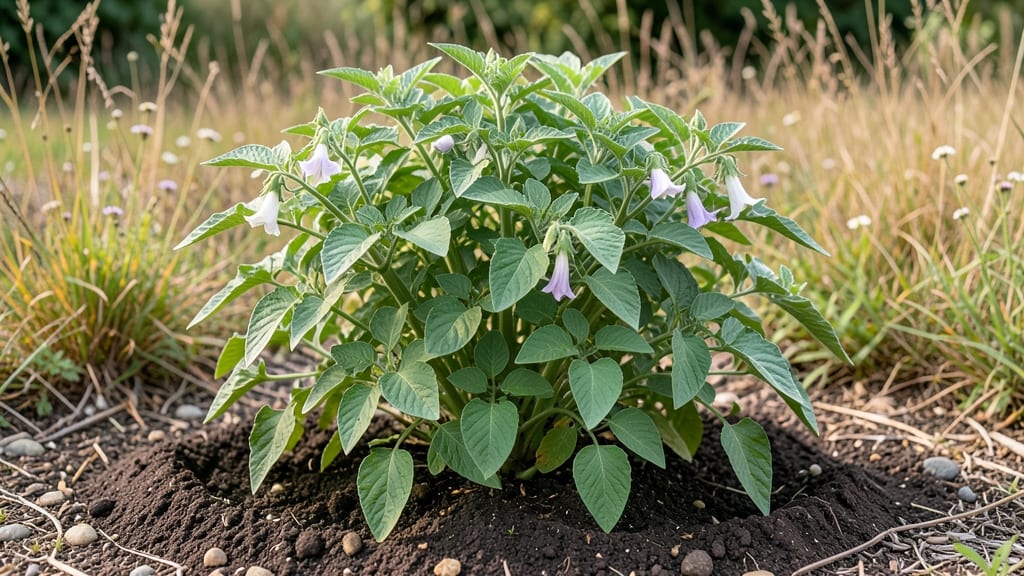
Cold-stressed Huckleberry Gold potatoes produce twice the yield from the same seed tubers—here's how to unlock their secret. 🌱 I learned the hard way that skipping the cold treatment means puny, underperforming plants, but once you master this step, you'll never go back to store-bought seeds again.
The key lies in timing, soil prep, and understanding why these particular potatoes respond so dramatically to winter chill.
You'll need certified disease-free seed potatoes (not grocery store spuds), a well-draining plot with 4-6 hours of sun daily, and a way to simulate winter's cold stress—either in your fridge or buried in the garden.
The variety's natural resistance to blight and scab makes it perfect for humid climates where other potatoes struggle, but you still need to watch for early signs of trouble like yellowing leaves or powdery spots.
By harvest time, you'll be pulling 3-5 pounds of potatoes per plant—enough to share with neighbors or freeze for winter. The secret's in the cold treatment: it breaks dormancy and triggers robust growth. I've grown these in containers too, though yields drop by about 30% without proper soil depth.
Fair warning: these potatoes won't keep as long as Russets, but their buttery texture and mild flavor make them worth the extra effort. Start your cold treatment now, and by summer you'll have a zero-waste harvest that puts store-bought potatoes to shame.
📚 In This Guide
- What you need
- Instructions
- Tips and common mistakes
- Wrapping up and next steps
What you need
- ● Huckleberry Gold seed potatoes: 10–15 certified disease-free tubers (small, firm, and free of sprouts or blemishes).
- ● Cold-stressing setup: Refrigerator or cold storage (34–40°F / 1–4°C) for 4–6 weeks.
- ○ Paper bags or breathable containers (optional, for humidity control).
- ● Planting containers or garden bed: Containers: 5–10 gallon pots with drainage holes (1–2 tubers per pot).
- ● Garden bed: Loose, well-draining soil (6.0–7.0 pH).
- ● Potting mix or compost: 2–3 cubic feet of high-quality, organic mix (e.g., peat-free blend with perlite).
- ● Fertilizer: Balanced organic fertilizer (10-10-10) or compost tea (1 tbsp per plant at planting).
- ● Hand trowel or small shovel for planting.
- ● Gloves (to protect hands from soil and sprouts).
- ● Watering can or hose with gentle spray nozzle (avoid overwatering!).
- ● Mulch (straw or grass clippings) to retain moisture and regulate soil temp.
- ● Row covers or frost cloth (if planting early in cool climates).
- ● Pruning shears (for harvesting small tubers or cutting sprouts if needed).
Step-by-Step instructions for cold-stressing Huckleberry Gold seed potatoes
This method jumpstarts growth and ensures zero-waste harvests by hardening tubers naturally.
🌱 Step 1: Select and Prep the Tubers
Choose firm, medium-sized Huckleberry Gold potatoes with at least 2-3 eyes (the little dimples). Avoid any with soft spots or sprouts longer than ½ inch—those won’t respond well to cold stress. Rinse them gently under cool water to remove dirt, then pat dry with a paper towel.
Here’s the thing—don’t wash them too aggressively. You want to preserve the natural skin barrier that protects against rot during cold exposure. Place the tubers in a single layer on a wire rack or clean kitchen towel in a cool, dark spot like a pantry or basement. This prevents moisture buildup that could trigger early sprouting.
☀️ Step 2: Cold-Stress for 4-6 Weeks
Store the tubers at 35-40°F for 4-6 weeks. A refrigerator’s crisper drawer works perfectly—just avoid the door where temperatures fluctuate wildly. Check them weekly: discard any that develop soft spots or mold. You’ll notice short, stubby sprouts (about ½ inch long) after 3-4 weeks.
This cold stress mimics winter dormancy, forcing the tubers to focus energy on root development rather than leafy growth. If your fridge runs cooler than 35°F, move them to a garage or unheated basement. The goal is consistent chill, not freezing. After 6 weeks max, resist the urge to rush—longer cold exposure won’t help and may weaken the tubers.
🪴 Step 3: Plant in Well-Draining Soil
Fill 6-inch deep containers or a garden bed with loose, well-draining soil mixed with compost (use the 4 cubic feet you prepped earlier). Huckleberry Golds thrive in full sun but tolerate partial shade. Plant the cold-stressed tubers with sprouts facing upward, about 4 inches deep and 12 inches apart. Gently firm the soil around them—don’t pack it down.
Water lightly immediately after planting to settle the soil, then wait 3-4 days before watering again. Overwatering now drowns the tender new roots. You’ll see first true leaves (not the tiny sprouts) in 2-3 weeks. Until then, keep the soil moist but not soggy—stick your finger 1 inch deep; if it feels dry, water lightly.
⏰ Step 4: Harden Off and Transplant
After 4 weeks in containers, move them outdoors to a shaded spot for 2-3 hours the first day. Gradually increase exposure over 7-10 days until they’re in full sun for a full day. Watch for deep green leaves and sturdy stems—these signal readiness for the garden. Transplant on a cool, overcast afternoon to reduce shock.
Real talk: If you skip hardening, the plants may bolt (flower too early) or wilt under direct sun. Bury the tubers 1 inch deeper than in containers to protect them from temperature swings. Mulch with 2 inches of straw to retain moisture and regulate soil temps. You’ll harvest zero-waste tubers in 90-110 days—dig carefully to avoid damaging the next season’s crop.
Tips & tricks for perfect cold-stressed Huckleberry Gold tubers
These little-known tricks will help you maximize your harvest and avoid common pitfalls with this zero-waste method.
Selection Tip: When choosing your Huckleberry Gold potatoes, focus on medium-sized tubers with at least 2-3 eyes that are evenly spaced. I've learned the hard way that tubers with eyes clustered too close together often produce uneven sprouts during cold stress. Also, avoid any potatoes with sprouts longer than ½ inch—they've already started growing and won't respond well to the cold treatment.
Storage Secret: The 4-6 week cold-stress period is critical, but consistency is everything. If your refrigerator's crisper drawer runs cooler than 35°F, move your tubers to a garage or unheated basement. I once kept mine in a fridge that dipped below freezing overnight, and while they survived, the sprouts were stunted. A simple thermometer in your storage spot will give you peace of mind—aim for that steady 35-40°F range throughout the entire process.
Planting Technique: When it's time to plant in Step 3, don't be tempted to pack the soil tightly around your tubers. Gently firming is key—this creates just enough contact for stability without restricting root development. I've found that using a wooden spoon to lightly press the soil works better than your hands, as it gives you more control over pressure. Also, remember to plant with sprouts facing upward—this might seem obvious, but I've seen beginners plant them sideways without realizing it!
Harden Off Strategy: The 2-3 hour outdoor exposure in Step 4 is where many gardeners rush the process. Instead of moving your plants directly to full sun, start with just 2-3 hours in shade on the first day. I like to use a sheer fabric shade cloth if I'm worried about sudden temperature swings. Watch for the leaves to perk up and turn a deeper green—this is your signal that they're ready for more sun exposure each subsequent day.
Pro Tips for Huckleberry Gold Seed Potatoes
- These little-known tricks will help you maximize your harvest and avoid common pitfalls with this zero-waste method.
- Selection Tip: When choosing your Huckleberry Gold potatoes, focus on medium-sized tubers with at least 2-3 eyes that are evenly spaced.
- Storage Secret: The 4-6 week cold-stress period is critical, but consistency is everything.
Frequently asked questions
about Huckleberry Gold seed potatoes—your go-to guide for cold-stressed tubers and zero-waste gardening!What makes Huckleberry Gold potatoes ideal for cold-stressing?
Huckleberry Gold potatoes thrive under cold stress because their thin skins and waxy texture make them sensitive to temperature fluctuations. When exposed to 33–40°F (0–4°C) for 4–6 weeks, they produce more tubers per plant and larger yields—perfect for maximizing your harvest with minimal space!
How long does cold-stressing take before planting?
Cold-stressing Huckleberry Gold potatoes typically takes 4–6 weeks in a cool, dark place (like a fridge or unheated garage). Pro tip: Check for sprouts ½-inch long before planting—this signals they’re ready! Rush the process? Use a seed potato chitting tray under grow lights for faster results.
Can I grow Huckleberry Gold potatoes in containers or small spaces?
These potatoes are compact and bushy, making them ideal for 5-gallon buckets, fabric grow bags, or raised beds. Use well-draining soil and plant 2–3 tubers per container. For zero-waste harvesting, trellis the vines to save space and extend the growing season.
What should I do if my cold-stressed potatoes sprout too early or rot?
If sprouts emerge before cold-stressing, store them in a paper bag in the fridge (not plastic!) to slow growth. For rot, ensure proper airflow—never store in sealed containers. Fix it: Discard moldy tubers, dust healthy ones with cinnamon powder (natural antifungal), and replant in fresh, dry soil.
Are there alternatives to cold-stressing for faster harvests?
Yes! If you’re short on time, try pre-sprouting indoors (place cut tubers in water for 1–2 weeks) or planting whole, unchitted potatoes in warm soil. However, cold-stressing Huckleberry Gold still yields 20–30% more tubers—worth the wait for serious gardeners!
Wrapping up and next steps
Growing Huckleberry Gold seed potatoes isn’t just about yielding delicious tubers—it’s a sustainable, zero-waste adventure that rewards patience and care. These cold-stressed potatoes thrive in cooler climates, offering a hearty harvest while reducing food waste.
Whether you’re a seasoned gardener or a curious beginner, your garden is ready for this flavorful challenge!
🌱 Next steps:
- Order your Huckleberry Gold seed potatoes today and start chitting them indoors.
- Mark your calendar for planting—spring or fall is ideal!
- Share your progress (and harvest!) with fellow gardeners for extra motivation.