
Lawn
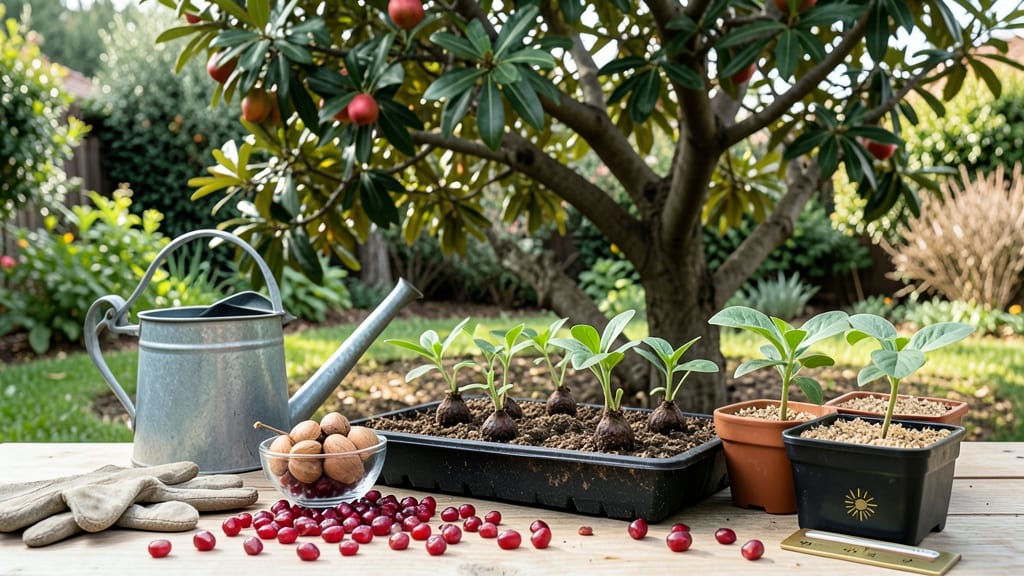
Seed a pomegranate easily in seconds with this no-mess knife method—no juice stains or wasted seeds. 🌱 I’ve extracted hundreds of seeds this way, and it’s the fastest, cleanest approach for beginners.
The key is a sharp knife, a bowl of water, and a patient hand to separate the seeds from the pulp without the usual sticky mess.
You’ll need just three supplies: a ripe pomegranate, a sharp chef’s knife, and a bowl of cold water. Slice the fruit in half over the bowl, then scrape the seeds free with the knife—no squeezing required.
The water catches the pulp while the seeds sink to the bottom, ready for planting.
Once cleaned, your seeds are ready to dry for 24 hours before sowing. Plant them ½ inch deep in well-draining soil, spaced 6 inches apart, and keep the soil consistently moist. Germination takes 14-30 days, but patience pays off with hardy seedlings that thrive in full sun.
This method avoids common pitfalls like moldy pulp or lost seeds. Perfect for warm climates (zones 7-11), but even indoor growers can try it with a sunny windowsill. Let’s get those seeds growing!
📚 In This Guide
- What you need
- Instructions
- Tips and common mistakes
- Wrapping up and next steps
What you need
- ● 1 ripe pomegranate – Choose one that’s firm but yields slightly when gently squeezed (💡 Pro tip: Avoid overripe or shriveled fruit—they’re harder to seed cleanly!).
- ● 1 sharp chef’s knife – A 6–8-inch blade works best for precision cuts (e.g., Victorinox Fibrox or Wüsthof).
- ● 1 cutting board – A large, stable board (12x18 inches) to prevent slipping (🔥 Warning: Never use glass or ceramic—it dulls knives and is unsafe!).
- ● 1 bowl or colander – A wide-mouth stainless steel bowl (8+ inches) or a fine-mesh colander to catch seeds and juice.
- ● Paper towels or a clean kitchen towel – For quick cleanups and drying hands.
- ○ Optional: Food processor or blender – Only if you’re also making pomegranate juice (use the pulse function to avoid over-processing).
- ● Wash your hands thoroughly before handling the pomegranate.
- ● Work in a well-ventilated area—pomegranate juice can be messy!
- ● Have a trash bin nearby for peels and membranes (they’re not edible).
Step-by-Step instructions for extracting pomegranate seeds easily
This foolproof knife method saves time and keeps your kitchen clean—no sticky messes here.
🍊 Step 1: Cut the Pomegranate in Half
Place the whole pomegranate on a cutting board. I like to use a sharp chef's knife to slice it vertically from top to bottom—this exposes the seed cavity cleanly. Hold the fruit firmly with one hand while cutting to avoid slipping. The goal is to split it into two equal halves without crushing the seeds inside.
Real talk: If you cut too close to the skin, you’ll end up with more juice than seeds. Aim for a straight cut through the center, where the seeds are most concentrated. You’ll know you’re on track when you see the deep red seed clusters glistening inside.
✂️ Step 2: Score the Membrane with a Knife
Once split, place one half cut-side down on the board. Use the tip of your knife to gently score the white membrane holding the seeds. Start at the outer edge and work your way inward, making small cuts about ¼ inch apart. This prevents the seeds from sticking together when you rinse them later.
Don’t press too hard—you’re just breaking the membrane, not slicing through the seeds. If you cut too deep, you’ll damage the arils (the juicy seed pods) and lose flavor. Think of it like scoring a pie crust: light pressure, controlled strokes.
💧 Step 3: Rinse Under Cool Water
Hold the scored half under a steady stream of cool water. The membrane will loosen, and the seeds will slide out effortlessly. I tilt the fruit slightly to let the water flow through the cuts, washing away any lingering juice or pulp. This step is where the magic happens—the seeds separate cleanly, and you’re left with just the good stuff.
Here’s the thing—if you rush this, you’ll end up with a sludge of seeds and juice. Take your time, and the seeds will come out bright red and intact. Strain them through a fine-mesh colander if you want them completely dry, or pat them dry with a paper towel for immediate use.
⏰ Step 4: Dry and Store the Seeds
Spread the seeds on a clean kitchen towel or paper towel in a single layer. Let them air-dry for about 30-60 minutes until they’re no longer sticky. You’ll know they’re ready when they feel slightly tacky but not wet. This prevents mold and keeps them fresh longer.
Once dry, store them in an airtight container in the fridge for up to 2 weeks or freeze them for 3 months. I like to portion them into small bags—perfect for snacking or planting. If you’re saving them for growing, let them dry completely before storing to avoid rot.
🌱 Step 5: Optional—Plant the Seeds
If you’re growing pomegranates, plant the dried seeds ½ inch deep in well-draining soil. Keep the soil lightly moist and place the pot in a sunny spot. Germination can take 2-4 weeks, so be patient. You’ll see tiny green shoots pushing through the soil—that’s your reward for the easy extraction!
Don’t skip the drying step if you’re planting. Wet seeds will rot before they sprout. And if you’re not into gardening, these seeds make a great healthy snack—just pop them straight from the fridge into your mouth.
Tips & tricks for perfect pomegranate seed extraction
Between us, this method is foolproof—but a few small tweaks can make it even easier. Here's how to avoid the most common mistakes and get the cleanest seeds every time.
Knife Selection: Use a sharp chef's knife for Step 1, but if you're worried about slipping, try a serrated knife instead. The serrations give you better grip on the slippery pomegranate skin without damaging the seeds. I've ruined more pomegranates than I care to admit with dull knives—trust me on this.
Scoring Technique: In Step 2, think of the membrane like a pie crust—you want to break it, not slice through it. Use the tip of your knife and make shallow cuts about ¼ inch apart. If you press too hard, you'll crush the arils and end up with a juice mess instead of clean seeds. A butter knife works surprisingly well for this delicate step.
Rinsing Hack: For Step 3, tilt the pomegranate half at a 45-degree angle under the water stream. This lets the water flow through the cuts more efficiently, washing away the membrane while keeping the seeds intact. I like to use a colander under the faucet to catch the seeds directly—no straining required!
Drying Time: The 30-60 minute drying time in Step 4 is flexible depending on humidity. On humid days, you might need the full hour, while dry days can be as little as 20 minutes. Test by pressing a seed between your fingers—it should feel slightly tacky but not wet. Spread them on a wire rack for faster drying if you're short on time.
Pro Tips for Seed A Pomegranate Easily
- Between us, this method is foolproof—but a few small tweaks can make it even easier.
- Knife Selection: Use a sharp chef's knife for Step 1, but if you're worried about slipping, try a serrated knife instead.
- Scoring Technique: In Step 2, think of the membrane like a pie crust—you want to break it, not slice through it.
Frequently asked questions
Got questions about seeding a pomegranate? You’re not alone! Here are answers to the most common queries—so you can slice, seed, and savor without a hitch.
Can I seed a pomegranate without cutting it open?
Yes! If you’re short on time or tools, gently roll the pomegranate on a hard surface (like a countertop) to loosen the seeds. Then, rub it between your palms over a bowl—though this method is messier and less efficient than the knife technique. For the cleanest results, stick with slicing!
How long does it take to seed a pomegranate?
With the right tools and technique, you can seed a pomegranate in under 30 seconds! The knife method is lightning-fast once you get the hang of it. Pro tip: Practice on a few pomegranates to build confidence—speed comes with repetition.
What if my pomegranate seeds are stuck to the membrane?
No worries! The membrane is edible and harmless, but if you prefer to remove it, soak the seeds in warm water for 5–10 minutes. The membrane will soften and separate, making it easy to rinse away. Alternatively, gently scrape the seeds with a spoon or your fingers over a colander.
Can I save and replant pomegranate seeds?
While pomegranate seeds can sprout, they’re notoriously slow to grow (sometimes years!) and may not produce fruit true to the parent plant. For best results, buy a young pomegranate tree from a nursery. If you’re curious, try planting a few seeds in pots—just know it’s more of a long-term experiment than a quick harvest!
What’s the best knife for seeding a pomegranate?
A sharp chef’s knife or serrated knife works best—avoid dull blades, which can crush the fruit and make seeding harder. If you’re using a serrated knife, angle it slightly to cut through the tough skin without slipping. A small, sturdy paring knife also does the trick for precision!
Wrapping up and next steps
Seeding a pomegranate doesn’t have to be messy or complicated—with the right technique, you can extract those juicy arils in seconds! Remember, a sharp knife, patience, and a little practice are all you need to master this no-mess method.
Once you’ve got the hang of it, you’ll be enjoying fresh pomegranate seeds for smoothies, salads, or snacks in no time.
Now that you’re ready to tackle that pomegranate like a pro, why not share your newfound skill? Try gifting a freshly seeded pomegranate to a friend or experimenting with creative recipes—like homemade granola or festive desserts. Happy seeding! 🌟