
Propagation
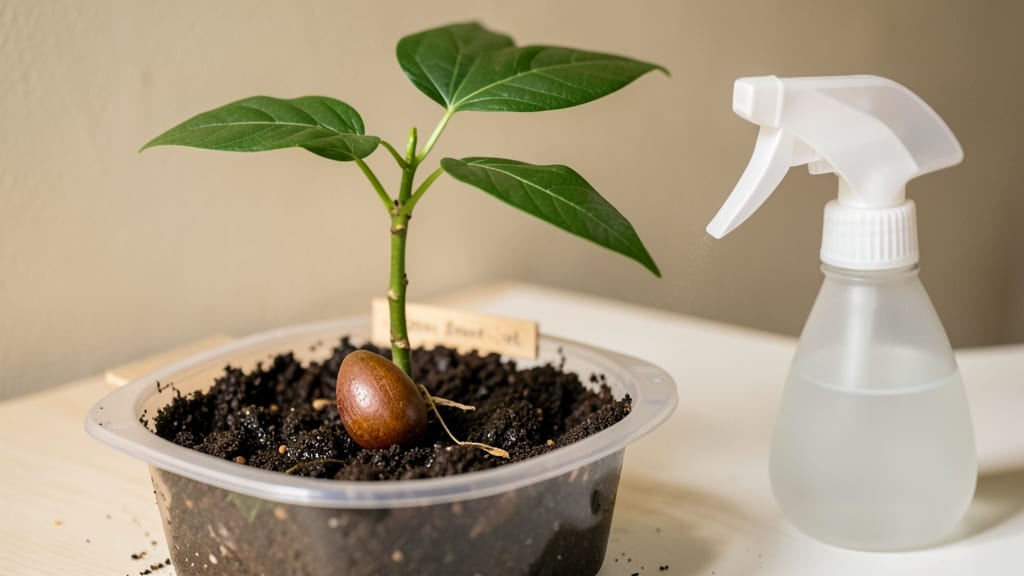
Growing a mango tree from seed indoors starts with that single pit you saved from your last mango—one that could become a sunlit centerpiece in just 60 days. 🌱 I’ve turned grocery-store scraps into thriving seedlings, and the process is simpler than you’d think, though it takes patience.
The key is mimicking tropical conditions right on your windowsill or under grow lights.
You’ll need a small pot with drainage, a mix of potting soil and perlite, and a warm spot with 6+ hours of bright light daily. Water lightly but consistently—never let the soil dry out completely—and expect your seed to sprout in 2-4 weeks.
The first leaves will be tiny, but they’re a sign your little tree is off to the right start.
By 60 days, you’ll have a 3-6 inch seedling with sturdy stems, ready for its first pruning. These early months set the foundation for future growth, though don’t expect fruit for 5-10 years—this is a marathon, not a sprint.
The real reward? Watching your kitchen counter transform into a mini tropical paradise.
When spring arrives, you can transplant your seedling outdoors (if your climate allows), but even indoors, it’ll keep growing with proper care. The biggest challenge? Avoiding overwatering—root rot is the silent killer of young mango trees. With the right balance, you’ll have a lush, leafy friend for years to come.
📚 In This Guide
- What you need
- Instructions
- Tips and common mistakes
- Wrapping up and next steps
What you need
- ● 1 fresh mango seed – Choose a seed from a ripe, organic mango (avoid hybrid varieties for best results).
- ● 1 small pot (4-6 inches in diameter) – Use a pot with drainage holes to prevent root rot.
- ● High-quality potting mix – A well-draining blend like a cactus/succulent mix or a 50/50 mix of potting soil and perlite works best.
- ● 1 spray bottle (8 oz or larger) – For gentle watering to keep the soil moist without over-saturating.
- ● Plastic wrap or a humidity dome – Helps maintain moisture while the seed germinates.
- ○ 1 small plastic bag with holes (optional but helpful) – For creating a mini greenhouse effect.
- ● Scissors or a sharp knife – For carefully slicing the mango seed (if needed).
- ○ Tweezers (optional) – Helps place the seed gently into the soil.
- ● Grow lights or a sunny windowsill – Mango seeds need bright, indirect light (6+ hours/day) to thrive.
- ● Fertilizer (balanced, water-soluble, 10-10-10 or similar) – Only use after the seedling sprouts true leaves (about 2-3 months in).
- ○ Thermometer (optional) – Ideal germination temp: 75–85°F (24–29°C).
Step-by-step instructions for growing a mango tree from seed indoors
Here's how to nurture a mango seed into a thriving seedling in just two months—no greenhouse needed.
🌱 Step 1: Extract and Prepare the Seed
Start with a fresh, organic mango—never store-bought, as those seeds are often treated to prevent sprouting. Cut the fruit in half and locate the large, flat seed nestled in the center. Rinse it under cool water to remove any fruit residue, then pat dry with a paper towel. The goal here is to work with a clean seed that hasn't absorbed excess moisture.
I like to soak the seed in lukewarm water for 24 hours to soften the outer shell slightly. This isn't mandatory, but it can speed up germination by breaking down some of the seed's natural dormancy. Place the seed in a small container with enough water to just cover it, and leave it in a warm spot—70-75°F works best. You'll see tiny cracks appear in the seed coat after 12-24 hours, signaling it's ready for planting.
🪴 Step 2: Plant the Seed in a Moist Growing Medium
Fill a 4-inch diameter pot with a well-draining seed-starting mix—avoid garden soil, as it compacts too easily and can suffocate young roots. Moisten the mix until it feels like a damp sponge, then create a 1-inch deep hole in the center using your finger. Gently place the prepared seed into the hole with the pointed end facing downward.
Cover the seed with an additional ½ inch of soil, then lightly press the surface to ensure good soil-to-seed contact. This prevents air pockets that could delay germination. Place the pot in a clear plastic bag or cover it with a humidity dome to trap warmth and moisture. Set it in a warm, bright spot—indirect sunlight is ideal at this stage. You should see the first signs of sprouting in 7-14 days, though some seeds take up to 3 weeks.
☀️ Step 3: Provide Optimal Light and Monitor Growth
Once the seedling emerges, remove the plastic cover immediately to prevent fungal growth. Position the pot under bright, indirect light for the first 7-10 days, then gradually introduce direct sunlight over the next week. Mango seedlings crave light but can scorch if moved too quickly. You'll notice the first true leaves (not the initial seed leaves) appear after 3-4 weeks. These leaves are a sign the seedling is photosynthesizing on its own.
Rotate the pot a quarter turn every few days to encourage even growth and prevent the seedling from leaning toward the light. If the soil surface dries out between waterings, mist it lightly with room-temperature water. Overwatering at this stage is the biggest mistake—let the top inch of soil dry out completely between waterings to avoid root rot. By 60 days, your seedling should be 6-12 inches tall with a sturdy stem.
💧 Step 4: Transition to a Larger Container and Refine Care
When the seedling reaches 4-6 inches tall, it's time to repot into a 6-inch container with fresh well-draining potting mix. Gently remove the seedling from its current pot, tease the roots apart if they're circling, then place it in the new container at the same depth it was growing before. Firm the soil around the base and water thoroughly to settle it.
At this stage, reduce humidity by removing any plastic cover and increase airflow around the plant. Mango seedlings thrive in warmth (70-85°F) and high humidity, but they also need good air circulation to prevent pests. Place a small fan on low setting near the plant for a few hours daily to strengthen its stem. By 8-10 weeks, your seedling should be ready for its first pruning—pinch off the top set of leaves to encourage bushier growth.
Tips & tricks for growing a mango tree indoors
Here's what I learned after watching my first mango seedling go from sprout to sturdy 6-inch plant—avoid these common pitfalls.
Seed Selection: The freshness of your mango matters more than you'd think. Store-bought fruit often contains seeds treated to prevent germination, so always choose organic, locally sourced mangoes. I've found that seeds from ripe, slightly soft mangoes (not rock-hard) germinate most reliably. The seed should feel heavy for its size—lightweight seeds often indicate poor viability.
Germination Environment: While the instructions mention 70-75°F, I've discovered that consistent warmth is more important than exact temperature. Place your seed container on top of a refrigerator (not inside) or use a seedling heat mat set to 75°F. The key is maintaining that warmth constantly—fluctuations can delay sprouting by days. You'll know it's working when you see those first cracks in the seed coat after 12-24 hours.
Light Transition Strategy: The gradual shift from indirect to direct sunlight in Step 3 is crucial, but timing matters more than you'd expect. Start with just 1-2 hours of direct morning sun during that first week, then add 1 hour per day. I've seen seedlings get sunburned when moved too quickly—look for pale yellow patches on leaves as an early warning sign. Remember, mango trees are tropical plants that evolved under filtered sunlight in their native habitats.
Pruning Technique: When you're ready to pinch those top leaves at 8-10 weeks, use clean, sharp scissors or your fingers to make the cut just above a leaf node. I've found that pinching at a 45-degree angle helps water bead off the cut, reducing the risk of fungal infections. This isn't just about bushier growth—it's about encouraging the plant to develop a stronger structural framework that can support future fruit production.
Pro Tips for Grow A Mango Tree From Seed Indoors
- Here's what I learned after watching my first mango seedling go from sprout to sturdy 6-inch plant—avoid these common pitfalls.
- Seed Selection: The freshness of your mango matters more than you'd think.
- Germination Environment: While the instructions mention 70-75°F, I've discovered that consistent warmth is more important than exact temperature.
Frequently asked questions
Growing a mango tree from seed indoors can be rewarding, but it’s natural to have questions along the way! Here are answers to some of the most common queries to help you navigate your indoor mango-growing journey with confidence.
How long does it take for a mango seed to sprout indoors?
A mango seed typically sprouts within 2–4 weeks when kept in warm, moist conditions. Patience is key—some seeds may take longer, especially if they’re not fully mature or if the environment isn’t ideal. Keep the soil consistently damp and place the pot in a warm spot (around 70–85°F) to encourage faster germination.
Will my indoor mango tree ever produce fruit?
While it’s possible for an indoor mango tree to eventually bear fruit, it’s highly unlikely in typical home settings. Mango trees grown from seed are not grafted (a common commercial practice) and may take 10–20 years to fruit—if ever. For fruit, consider buying a grafted sapling or pollinating flowers if your tree blooms (though indoor conditions rarely support this). Enjoy the tree for its beauty and novelty!
What’s the best temperature for growing a mango seed indoors?
Mango seeds thrive in warmth. Aim for a consistent temperature between 70–85°F (21–29°C) for germination and growth. If your home is cooler, use a seedling heat mat or place the pot near a sunny window or grow light. Avoid drafts or sudden temperature drops, which can stunt growth or kill the seedling.
Can I grow a mango tree from a store-bought mango?
Yes! You can absolutely grow a mango tree from a seed bought from a grocery store. Just ensure the mango is ripe and fresh—older seeds may not sprout as reliably. Remove the seed carefully, clean off any fruit pulp, and follow the same germination steps as outlined in the article. Store-bought seeds work just fine for this project!
Why is my mango seedling turning yellow or wilting?
Yellowing leaves or wilting often signal overwatering, underwatering, or poor drainage. Check the soil moisture—it should stay consistently damp but not soggy. Ensure the pot has drainage holes to prevent root rot. If the leaves are crispy, your seedling may be too dry; if they’re mushy, it’s likely overwatered. Adjust care and monitor closely until the plant stabilizes.
How big can an indoor mango tree grow?
With proper care, an indoor mango tree can grow 6–10 feet tall over time, though it may stay smaller if space is limited. Prune regularly to control size and encourage bushier growth. If your tree outgrows its container, repot it into a larger one (with fresh, well-draining soil) to support its development. Just be prepared for frequent pruning to keep it manageable indoors!
Wrapping up and next steps
Growing a mango tree from seed indoors is a rewarding journey that blends patience with the joy of nurturing life!
With the right tools—like a cozy pot, warm sunlight, and consistent care—you’ve got everything you need to watch those tiny seeds transform into a thriving sapling. Remember: while your tree may not bear fruit for years, the process itself is pure magic, and every watering or pruning step is a celebration of growth.
Now that you’re armed with knowledge, take the first step today! Grab that mango pit, follow your newfound tips, and let the adventure begin. Before you know it, you’ll be sharing your green thumb success—or even gifting your future tree to a friend. Happy growing! 🌱✨