
Pruning
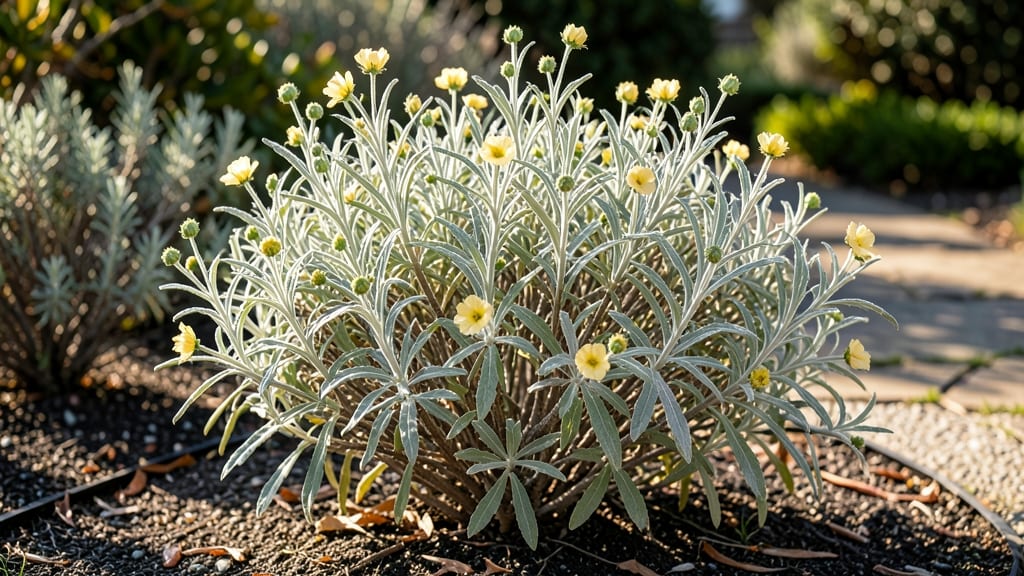
Proper hopseed bush care transforms it from scraggly to showstopping within a season. 🌿 I’ve watched mine go from a sad, leggy shrub to a lush, fragrant hedge—all thanks to a few simple cuts and timing. The key? Pruning year-round, not just once a year.
This drought-tolerant beauty thrives in poor soil and full sun, but it rewards consistent pruning for dense growth. Start with clean cuts in late winter to shape it, then trim lightly after each flush of new growth.
The silvery leaves and fragrant flowers make it a standout, but only if you keep it trimmed.
By summer, you’ll see thick, bushy branches with vibrant new foliage. The plant stays compact, resists pests better, and even blooms more when pruned correctly. It’s the secret weapon for low-maintenance, high-impact gardens.
Works in containers or as a hedge—just adjust the pruning frequency. Ready to give your hopseed bush the care it deserves? Let’s get started with the basics.
📚 In This Guide
- What you need
- Instructions
- Tips and common mistakes
- Wrapping up and next steps
What you need
- ● Hopseed bush: 1–3 nursery-grown plants (3–5 ft tall, potted or bare-root)
- ● OR seeds (collect from mature plants or buy online—germination takes 2–4 weeks)
- ● Soil & amendments: Well-draining sandy loam or cactus/succulent mix (5–10 gallons per plant)
- ● Perlite or coarse sand (1 part per 3 parts soil for drainage)
- ● Compost or worm castings (1 cup per planting hole for nutrients)
- ● Pruning tools: Bypass pruners (sharp, sterilized with rubbing alcohol)
- ● Loppers (for thicker branches, ½"–1" cut capacity)
- ● Garden shears (for fine trimming)
- ● Handsaw (for stubborn, woody stems >1" thick)
- ● Safety gear: Gloves (thick leather or nitrile-coated for prickly stems)
- ● Long sleeves/pants (to avoid sap irritation)
- ● Rooting hormone (for cuttings—dip stems in powder or gel before planting)
- ● Mulch (2–3 inches of gravel or bark to retain moisture)
- ● Drip irrigation kit (for consistent watering in dry climates)
- ● Plant support (stakes or cages for young, top-heavy bushes)
- ● Pruning sealant (for large cuts to prevent disease)
Instructions for year-round hopseed bush pruning
Here's the simple, seasonal approach I use to keep my hopseed bushes lush and fragrant year after year.
✂️ Step 1: Late Winter Pruning for New Growth
Wait until late February or early March when new growth begins—you'll see tiny buds swelling along the branches. This is the perfect time to shape your bush before spring flushes. I grab my pruners and start by removing any dead or crossing branches first, cutting back to the main stem or outward-growing buds.
For each branch, make clean cuts at a 45-degree angle just above an outward-facing bud. This encourages outward growth and prevents the center from becoming too dense. I never cut more than one-third of the plant's total growth in any single pruning session—this keeps the bush healthy and prevents shock.
☀️ Step 2: Spring Maintenance for Bushy Shape
Once new leaves appear in April or May, it's time for light maintenance pruning. I look for branches growing inward and trim them back to encourage air circulation. This is especially important for hopseed bushes because poor airflow invites fungal diseases that can ruin your plant's fragrant foliage.
Pinch back the tips of new growth to encourage branching. You'll see side shoots forming within 2-3 weeks—that's your signal the plant is responding well. I also remove any suckers growing at the base of the plant, redirecting energy to the main structure instead of unwanted growth.
🌿 Step 3: Summer Trimming for Fragrant Foliage
Throughout summer, I do light pruning every 4-6 weeks to maintain shape and promote continuous blooming. The key is to trim just above leaf nodes where you want new growth to emerge. For hopseed bushes, I focus on removing any leggy growth that's stretching toward the sun—these branches produce less fragrant foliage.
Watch for any branches that look stressed or yellowing. These are often signs of overcrowding or pest issues. I make small cuts to open up the plant's center, which improves airflow and helps prevent problems. Never remove more than 10-15% of the plant's foliage in any single summer trim.
⏰ Step 4: Fall Cleanup for Winter Preparation
In October or November, before the first frost, I do a final cleanup. Remove all dead or diseased branches completely—these can harbor pests and diseases over winter. For healthy branches, I cut back by about one-third to reduce the plant's energy needs during dormancy.
I also remove any seed heads that have formed, as these can drain energy from the plant. The goal is to leave your hopseed bush with a balanced shape that will emerge strong in spring. I finish by giving the plant a light layer of mulch around the base to protect roots from freezing temperatures.
Tips & tricks for perfect hopseed bush pruning
These simple secrets will help you keep your hopseed bush thriving with minimal effort and maximum fragrance.
Timing is Everything: In Step 1, don't rush the late winter pruning—wait until you see those tiny buds swelling along the branches. This is your signal that the plant is waking up from dormancy and ready to respond to pruning. I've learned the hard way that pruning too early can shock the plant when it's still dormant. Also, make those 45-degree cuts precisely just above outward-facing buds—this isn't just about looks, it's about directing the plant's energy where you want it to grow.
Seasonal Maintenance Secret: During the spring maintenance in Step 2, pay special attention to those suckers growing at the base of the plant. I used to ignore them, thinking they'd just go away, but they actually drain energy from your main bush. Remove them completely at the base—they won't grow back if you get them all. And when you see those side shoots forming within 2-3 weeks after pinching, that's your confirmation you're doing it right!
Summer Pruning Strategy: For the summer trims in Step 3, I've found that working with a small pair of pruning shears makes all the difference. You'll be making more frequent cuts (every 4-6 weeks), so having sharp tools prevents tearing the branches. Focus on those leggy growths—they might look like they're reaching for the sun, but they're actually stealing energy from the more fragrant parts of your bush. And remember, never take more than 15% of the foliage in one session—your plant needs its leaves to photosynthesize and stay healthy.
Fall Cleanup Pro Tip: When doing your final fall cleanup in Step 4, take an extra minute to examine each branch you're removing. If you see any signs of pests or disease, don't just toss those branches in the compost—they can spread problems to next year's growth. Burn them or put them in the trash instead. And that one-third cutback isn't just about looks—it's about helping your plant conserve energy during winter dormancy.
Pro Tips for Hopseed Bush Care
- These simple secrets will help you keep your hopseed bush thriving with minimal effort and maximum fragrance.
- Timing is Everything: In Step 1, don't rush the late winter pruning—wait until you see those tiny buds swelling along the branches.
- Seasonal Maintenance Secret: During the spring maintenance in Step 2, pay special attention to those suckers growing at the base of the plant.
Frequently asked questions
Got questions about keeping your hopseed bush thriving?
Here are answers to the most common ones—so you can prune with confidence and enjoy that fragrant, lush growth all year!
When is the best time to prune my hopseed bush?
Prune your hopseed bush twice a year for optimal growth: late winter/early spring (before new growth starts) to shape the plant, and mid-summer to encourage bushiness and remove spent flowers. Avoid heavy pruning in fall—it can stress the plant before winter.
How much can I cut back without harming the bush?
You can safely prune up to 1/3 of the plant’s height in one session, but avoid over-pruning. Focus on removing dead, diseased, or crossing branches first, then trim back to encourage new growth. For young bushes, light pruning (10-15%) is best to establish structure.
Why are my hopseed bush leaves turning yellow?
Yellowing leaves often signal overwatering, nutrient deficiency, or pests. Check the soil—it should be moist but not soggy. If pests (like aphids or spider mites) are present, treat with neem oil or insecticidal soap. Yellowing from old age? Prune those leaves to redirect energy to new growth.
Can I grow hopseed bush in containers?
Hopseed bushes thrive in large containers (15+ gallons) with well-draining soil and regular pruning to control size. Use a fast-draining potting mix and repot every 2-3 years. Just ensure the container gets 6+ hours of sunlight daily and water deeply when the top inch of soil dries out.
Should I remove flowers to encourage bushier growth?
Yes! Pruning spent flowers and seed pods in mid-summer promotes denser foliage and more vibrant blooms next season. However, if you want seeds, leave a few flowers untouched. For a lush, ornamental look, deadhead regularly.
Wrapping up and next steps
Caring for your hopseed bush is all about patience and precision—just like nurturing a thriving friendship! 🌿 With the right tools, timing, and techniques, you’ll enjoy a lush, fragrant plant year after year. Remember, consistent pruning keeps it healthy, while seasonal adjustments ensure optimal growth.
Now that you’re armed with expert tips, roll up your sleeves and give your hopseed bush the TLC it deserves. Ready to watch it flourish? Start by scheduling your next pruning session—your fragrant garden awaits! 🌟