
Lawn
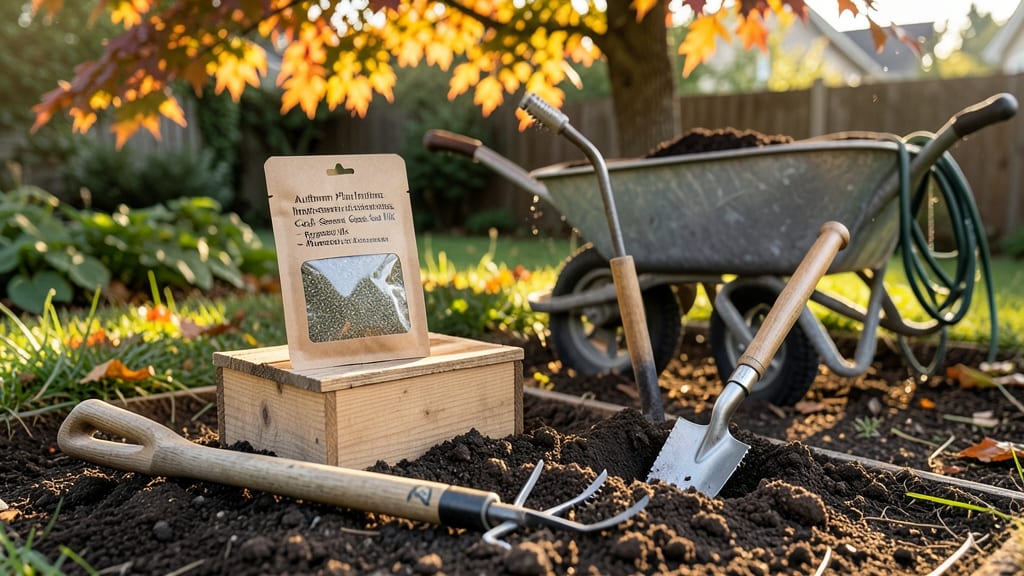
Planting grass seed in autumn gives you a head start on next year’s lawn—when the soil cools and rains arrive, seeds germinate faster and roots establish deeper before winter. 🌱 I’ve seen lawns transform from patchy to lush simply by timing this right, and it’s not just luck.
The key is working with nature’s rhythm: cooler temps reduce weed competition, and consistent moisture helps seeds settle in without drying out.
Start by testing your soil’s pH (aim for 6.0–7.0) and loosen the top 2–3 inches with a rake or aerator—this lets roots breathe and water penetrate. Choose cool-season grasses like fescue or ryegrass for your region, then scatter seed evenly (about ½ pound per 100 sq ft).
Lightly rake it in and keep the soil damp but not soggy for the first 2–3 weeks.
By late fall, you’ll see sprouts pushing through, and those roots will keep growing even under snow. Spring brings a lawn that’s already thick and ready to handle foot traffic, drought, and weeds—no more bare spots or patchy regrowth. The secret? Patience and consistent care, not rushing the process.
Works in most climates (Zones 3–8), but adjust timing for southern regions—plant early enough to avoid winter dormancy. Avoid fertilizing until spring, and keep mowing high (3–4 inches) to shade out weeds. Let’s get that lawn growing strong.
📚 In This Guide
- What you need
- Instructions
- Tips and common mistakes
- Wrapping up and next steps
What you need
- ● Grass seed: Choose a cool-season blend (e.g., fescue, ryegrass, or bluegrass) tailored to your climate. Quantity: 5–10 lbs per 1,000 sq ft (follow package rates for specific mixes).
- ● Lawn fertilizer: Slow-release, high-phosphorus (e.g., 10-20-10 ratio) to boost root growth. Quantity: 1 lb per 100 sq ft.
- ○ Soil testing kit: Optional but recommended to check pH (aim for 6.0–7.0) and adjust with lime or sulfur if needed.
- ● Rake: A bow rake (for leveling) and a garden rake (for seed bed prep).
- ● Spreaders: Broadcast spreader: For even seed distribution (calibrate for your seed type!).
- ○ Drop spreader: Optional for precision in small areas.
- ● Water source: Hose with adjustable nozzle or a sprinkler (light, frequent watering is key!).
- ● Straw or peat moss: Light mulch (¼–½ inch) to protect seeds from birds and retain moisture. Quantity: 1–2 lbs per 100 sq ft.
- ● Soil conditioner: Compost or peat-based topsoil to improve seed-to-soil contact.
- ● Pre-emergent herbicide: If weeds are a problem, apply 2–4 weeks before seeding (follow label instructions!).
- ● Lawn roller: Lightweight (50–100 lbs) to press seed into soil—only if soil is dry!
- ● Bird netting: Temporary protection if birds are a nuisance in your area.
Step-by-Step guide to autumn grass seed planting for spring revival
Fall is the perfect time to plant grass seed—here's how to set up your lawn for a lush spring comeback.
🌱 Step 1: Prepare the Soil for Optimal Seed Contact
Start by mowing your lawn shorter than usual—about 1.5 inches—to expose the soil surface. This helps seeds make direct contact with the earth, which is critical for germination. Use a rake to loosen the top ¼ inch of soil, removing any debris or thatch that could block seed-to-soil contact.
If your soil feels compacted, consider aerating with a core aerator. You’ll see small plugs of soil pop up—this breaks up the hardpan and lets roots establish deeper. Water the area lightly after aerating to help settle the soil without washing away loose particles.
💧 Step 2: Choose and Spread the Right Grass Seed
Select a grass seed blend suited to your climate and sunlight conditions—cool-season grasses like fescue or ryegrass work best for fall planting. For a 4,000-square-foot lawn, you’ll typically need about 8-12 pounds of seed, but always follow the package instructions.
Spread the seed evenly using a broadcast spreader or by hand. Walk in opposite directions to ensure full coverage—lightly overlap your passes. A good rule of thumb is to spread half the seed in one direction, then the other half perpendicular. This prevents clumps and ensures consistent germination.
☀️ Step 3: Protect Seeds with Light Soil and Water
Cover the seeds with a thin layer of soil—just ¼ inch—using a rake or your hands. This shields them from birds and wind while keeping them in place. Avoid burying them too deep; grass seeds need light to germinate properly.
Water immediately after planting, keeping the soil consistently moist but not soggy. Use a gentle sprinkler to avoid displacing seeds. Aim for about ½ inch of water daily, splitting the amount into two waterings (morning and evening) to reduce evaporation. You’ll know you’re doing it right when the top inch of soil stays damp but not waterlogged.
⏰ Step 4: Maintain Moisture and Monitor Growth
Keep the area moist for the first 3-4 weeks—this is when seeds germinate and young roots establish. Reduce watering slightly after germination, but don’t let the soil dry out completely. You’ll see the first green shoots in about 7-14 days, depending on temperature and seed type.
Once the new grass reaches about 3 inches tall, gradually reduce watering to encourage deeper root growth. Avoid heavy foot traffic or mowing until the new grass is at least 3-4 inches high and firmly rooted. This prevents damage and helps the lawn establish strong, resilient turf.
Tips & tricks for perfect autumn grass seed planting
Here's what nobody tells you about getting that spring lawn revival just right.
Soil Prep Secret: After mowing to 1.5 inches, take a moment to check for thatch buildup—more than ½ inch thick? Use a thatch rake to remove it before loosening the soil. I learned this the hard way after planting with thick thatch and getting spotty germination. The seeds need direct soil contact, not a thatch barrier.
Seed Spread Strategy: For that perfect crosshatch pattern in Step 2, walk in a grid pattern (north-south, then east-west) rather than just overlapping passes. This ensures you don't miss spots while preventing double coverage. I've seen lawns with bald patches where seed was clumped—this method eliminates that risk entirely.
Watering Wisdom: That ½ inch daily watering in Step 3 is crucial, but timing matters just as much. Water in the early morning (before 9 AM) to prevent evaporation and fungal growth. I use a rain gauge to measure—most sprinklers overwater by 20-30% without realizing it.
Germination Timeline: The 7-14 day window for sprouts can feel like forever, but here's the thing: cooler fall temps (50-65°F) actually slow germination slightly. If you're not seeing sprouts by day 14, check for consistent moisture—dry spells can delay emergence by a week or more.
Pro Tips for Grass Seed Autumn
- Here's what nobody tells you about getting that spring lawn revival just right.
- Soil Prep Secret: After mowing to 1.5 inches, take a moment to check for thatch buildup—more than ½ inch thick?
- Seed Spread Strategy: For that perfect crosshatch pattern in Step 2, walk in a grid pattern (north-south, then east-west) rather than just overlapping passes.
Frequently asked questions
Got questions about sowing grass seed in autumn for a lush spring lawn? You’re not alone! Here are answers to the most common concerns—so you can plant with confidence and avoid costly mistakes.
When is the exact best time to plant grass seed in autumn?
For most regions, aim for late August to early October—when soil temps drop to 60–70°F (15–21°C). This gives seeds time to germinate before winter’s chill sets in. Check your USDA zone for precision, as cooler climates (Zones 3–5) may need an earlier start.
Can I still get good results if I plant too late in autumn?
Yes, but timing matters! Seeds sown 4–6 weeks before frost (usually by mid-October in most zones) can still germinate and establish roots. Late plantings may need winter protection (like straw mulch) to survive frost. Pro tip: Avoid planting when frost is imminent—seeds won’t germinate in freezing soil.
Is autumn grass seeding cheaper than spring? What’s the catch?
Autumn seeding can be 20–30% cheaper because fewer pests (like grubs) and weeds compete with new grass. The catch? You’ll need to water diligently and possibly use fall fertilizers (like 10-10-10) to prep soil. Skip the spring rush—and your wallet will thank you!
What’s the fastest way to fix bare spots after seeding in autumn?
For stubborn bare patches:
- Rake lightly to loosen soil and expose seeds.
- Apply a thin layer of compost (¼ inch) for nutrients.
- Water deeply 2x/day (morning/evening) until germination (7–21 days).
- Use a starter fertilizer (high in phosphorus) to boost root growth.
Will grass seed survive a hard freeze if planted in autumn?
Most cool-season grasses (like tall fescue, ryegrass, or Kentucky bluegrass) can handle light frost after germination. However, newly sown seeds won’t survive freezing soil. If a hard freeze (<15°F/-9°C) is forecast:
- Cover seeds with straw or a breathable frost blanket.
- Wait to water until temps rise above 40°F (4°C).
- Use winter-hardy seed mixes (e.g., ‘Turftype’ ryegrass).
Wrapping up and next steps
Autumn is your golden opportunity to revitalize your lawn for a lush spring comeback—just by planting the right grass seed and giving it the care it needs during the chillier months.
Cold-stressed viability isn’t just a challenge; it’s a chance to outsmart nature and grow a thicker, healthier lawn with minimal effort. Whether you’re tackling bare patches or prepping for next year, now’s the time to act!
Ready to transform your yard? Grab your supplies, follow the steps, and watch your lawn thrive—one seed at a time! 🌱 For extra peace of mind, check local planting guides or consult a lawn care pro to fine-tune your approach.