
Size
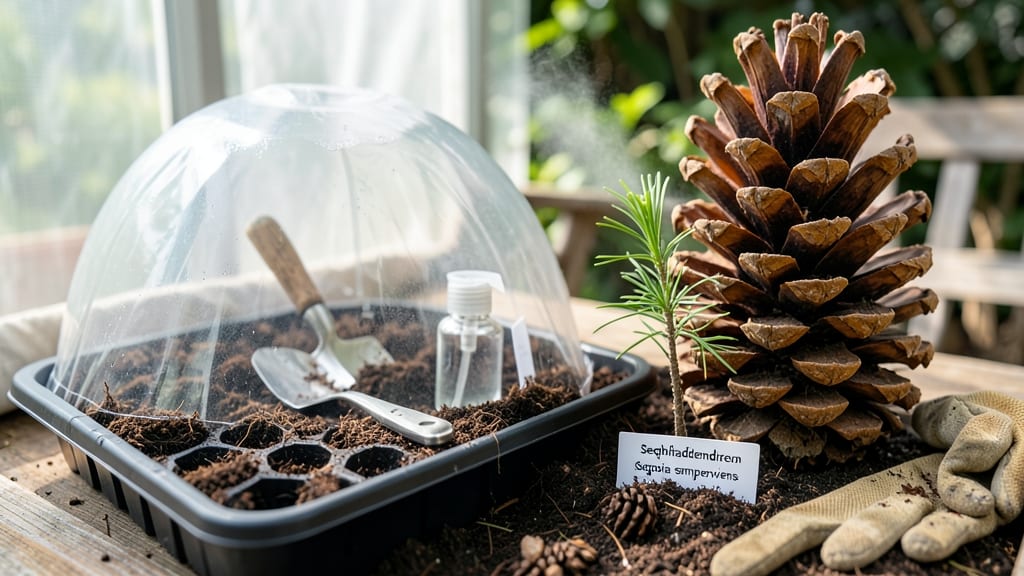
Growing a garden from a giant pinecone seed means watching nature's slow-motion magic unfold—those twist-free pods that crack open on their own schedule. 🌲 I've nurtured these seeds for years, and the key is patience: these aren't annuals that sprout in days, but long-term investments that reward you with towering beauty over decades.
The secret starts with the seed itself—don't rush to plant it fresh from the cone. Soak it for 24-48 hours to soften the outer shell, then let it dry completely before storage (they need a cold winter to break dormancy).
Once planted, expect 6-12 months before you see anything above soil—this isn't a quick harvest, but a lifelong garden feature.
You'll need well-draining soil (think 50% potting mix, 50% coarse sand) and a spot with 6+ hours of sunlight daily, though young seedlings tolerate shade better than most people realize.
Watering is the tricky part: keep soil moist but never soggy, and avoid overhead watering once leaves appear to prevent fungal rot. Indoor starters need a grow light until they're sturdy enough for transplanting, while outdoor plants benefit from a winter mulch during their first few years. The real payoff?
A mature pine tree that provides shade, wildlife habitat, and that fresh-forest smell for generations.
📚 In This Guide
- What you need
- Instructions
- Tips and common mistakes
- Wrapping up and next steps
What you need
- ● Giant pinecone seeds – 10–20 seeds (ensure they’re fresh and viable; check for plump, firm seeds with no cracks).
- ● Well-draining potting mix – 1–2 gallons (use a blend designed for seedlings or add perlite/sand for aeration).
- ● Seed-starting trays or small pots – 4–6" diameter (one per seed or shared trays with dividers).
- ● Spray bottle – For gentle watering (avoid oversaturating seeds).
- ● Plastic wrap or humidity dome – To retain moisture while seeds germinate.
- ● Grow lights or sunny windowsill – 6–8 hours of indirect light daily (or a grow light for consistent growth).
- ○ Fertilizer (optional but helpful) – Balanced liquid fertilizer (5-5-5 or 10-10-10) diluted to half-strength for seedlings.
- ● Trowel or small shovel – For transplanting seedlings into larger pots or garden beds.
- ● Labels & markers – To track planting dates and seed varieties.
- ○ Heat mat (optional) – Speeds up germination if your climate is cool (70–75°F ideal).
- ● Mulch or pebbles – Helps retain soil moisture in outdoor plantings.
- ● Pruning shears – For trimming leggy seedlings to encourage bushier growth.
Step-by-Step instructions for growing giant pinecone seeds
Here's how to nurture these unique seeds into thriving plants without the frustration of stubborn pods.
🌱 Step 1: Harvest and Prepare the Pinecone Seeds
Collect mature pinecones from the ground—look for ones that are dry and opening naturally. These seeds are ready for planting when the cones release their seeds easily with gentle shaking. Place the pinecones in a paper bag and store them in a warm, dry location for 2-4 weeks to complete any remaining drying process.
Once the seeds are fully dry, carefully shake them out of the cones into a bowl. You'll notice the seeds have small wings—this helps them float in the wind. Remove any debris or empty cone fragments by sifting through them with your fingers. Store the clean seeds in an airtight container in a cool, dark place until you're ready to plant.
💧 Step 2: Stratify the Seeds for Better Germination
Giant pinecone seeds need a cold period to break dormancy—a process called stratification. Place the seeds in a plastic bag with a damp paper towel or sphagnum moss. Seal the bag and refrigerate it for 30-60 days. Check the moisture level occasionally and mist with water if the paper towel feels dry.
During this time, the seeds will absorb moisture and begin the germination process. You don't need to worry about light or temperature fluctuations—the fridge provides the perfect conditions. After 60 days, remove the seeds from the fridge and let them sit at room temperature for 24 hours before planting. This mimics the natural winter-to-spring transition.
☀️ Step 3: Plant the Seeds in Well-Draining Soil
Fill small pots or seed trays with a mix of 50% potting soil and 50% perlite or coarse sand to ensure excellent drainage. Pinecone seeds dislike soggy conditions, so this mix prevents root rot. Plant each seed about ¼ inch deep, spacing them 1 inch apart in the container.
Water the soil gently until it's moist but not waterlogged. Place the pots in a warm, sunny location where they'll receive full sun (6+ hours daily). If you're planting outdoors, choose a spot with well-draining soil and partial shade until the seedlings establish themselves. Keep the soil consistently moist but not saturated—you'll know it's right when the top inch feels slightly damp to the touch.
🌿 Step 4: Monitor and Transplant Seedlings
Germination can take 4-8 weeks, so be patient. Once the seedlings emerge, they'll have small, needle-like leaves. Keep the soil moist and fertilize lightly with a balanced, water-soluble fertilizer every 4-6 weeks during the growing season. Avoid over-fertilizing, as this can harm young seedlings.
When the seedlings reach 3-4 inches tall and have developed a strong root system, it's time to transplant them into larger pots or directly into the ground. Choose a location with well-draining soil and plenty of sunlight. Space the seedlings 6-8 feet apart to allow for their mature size. Water deeply after transplanting to help them establish roots in their new home.
⏰ Step 5: Care for Mature Plants Long-Term
Once established, giant pinecone seedlings will grow into tall, sturdy trees. Water deeply 1-2 times per week during dry spells, allowing the soil to dry out slightly between waterings. Mulch around the base of the plants with 2-3 inches of organic mulch to retain moisture and suppress weeds.
Prune any dead or diseased branches in early spring to encourage healthy growth. These trees are relatively low-maintenance, but they do benefit from occasional fertilization in early spring with a slow-release, balanced fertilizer. With proper care, your pinecone seedlings will grow into majestic trees that add beauty and shade to your garden for decades.
Tips & tricks for perfect giant pinecone seedlings
These simple strategies will help you avoid common pitfalls and maximize your success with these finicky seeds.
Seed Selection: Focus on pinecones that are fully open and dry—these are the ones most likely to release seeds easily. I've found that cones from mature trees (at least 20 years old) produce the most viable seeds. If you're collecting from the ground, choose ones that have opened naturally rather than forcing them open, as this can damage the seeds inside.
Stratification Check: During your 30-60 day cold treatment in Step 2, place a small marker on your fridge door so you don't forget about them. I like to set a reminder on my phone for the 60-day mark to take them out. The seeds need this cold period to break dormancy—skipping it means you might be waiting months for germination instead of weeks. After removing from the fridge, let them sit at room temperature for exactly 24 hours before planting to mimic natural spring conditions.
Soil Mixing: For the 50/50 potting soil and perlite mix in Step 3, I recommend using a high-quality potting soil designed for seedlings. The perlite should be coarse—not fine sand—which helps prevent compaction. Mix them thoroughly before planting to ensure even drainage throughout the container. This prevents soggy conditions that can rot pinecone seeds, which are particularly sensitive to overwatering.
Germination Patience: The 4-8 week germination window in Step 4 can feel long, but consistency is key. I've found that placing a clear plastic dome or plastic wrap over your seed trays creates a mini greenhouse effect that can speed up germination by 1-2 weeks. Just remember to remove the cover once you see sprouts emerging to prevent mold growth. Keep the soil consistently moist during this time—never let it dry out completely.
Pro Tips for Giant Pinecone Seed Grow A Garden
- These simple strategies will help you avoid common pitfalls and maximize your success with these finicky seeds.
- Seed Selection: Focus on pinecones that are fully open and dry—these are the ones most likely to release seeds easily.
- Stratification Check: During your 30-60 day cold treatment in Step 2, place a small marker on your fridge door so you don't forget about them.
Frequently asked questions
Got questions about growing giant pinecone seeds? You’re not alone! Here are some of the most common queries—and their answers—to help you cultivate a thriving garden with these unique, twist-free pods.
How long does it take for giant pinecone seeds to germinate?
Germination time varies, but most giant pinecone seeds sprout within 2–4 weeks under ideal conditions (warmth, moisture, and indirect light). Keep soil consistently damp but not soggy—patience is key! If nothing emerges after 6 weeks, check seed viability or try a fresh batch.
What’s the best climate for growing giant pinecone plants?
These seeds thrive in USDA Zones 7–10, where temperatures stay between 60–80°F (15–27°C). They love full sun to partial shade and well-draining soil. In colder zones, start seeds indoors 6–8 weeks before the last frost or grow them as annuals in containers.
Why aren’t my pinecone pods opening naturally?
Giant pinecone pods often resist opening due to low humidity or immature seeds. Try these fixes:
- Soak pods in warm water for 24 hours to soften scales.
- Place them in a humid environment (like a sealed bag with damp paper towels).
- Check for pests or mold—discard if slimy or discolored.
Can I grow giant pinecone seeds in containers?
Use 5–7 gallon pots with drainage holes, filled with a mix of peat moss, perlite, and compost. Ensure containers get at least 6 hours of sunlight daily. Dwarf varieties (like Pinus pinea) adapt well to pots, while larger species may outgrow them—plan for repotting if needed.
What are some alternatives if giant pinecone seeds are hard to find?
If you’re struggling to source giant pinecone seeds, try these similar, easy-to-find options:
- Pinus nigra (Austrian pine): Fast-growing, drought-tolerant.
- Pinus strobus (White pine): Soft needles, great for shade.
- Pseudotsuga menziesii (Douglas fir): Dramatic cones, cold-hardy.
Wrapping up and next steps
Growing a garden from giant pinecone seeds is a rewarding journey that blends nature’s creativity with your green thumb! These twist-free pods offer a unique, hands-off way to nurture stunning plants—whether you’re a seasoned gardener or just starting out. 🌱
Now that you’re armed with tips and tricks, it’s time to take the next step: plant those seeds and watch your garden transform! Start small, experiment with containers, and don’t forget to share your progress—your garden’s success story might inspire others to grow too. Happy planting! 🌿