
Lawn
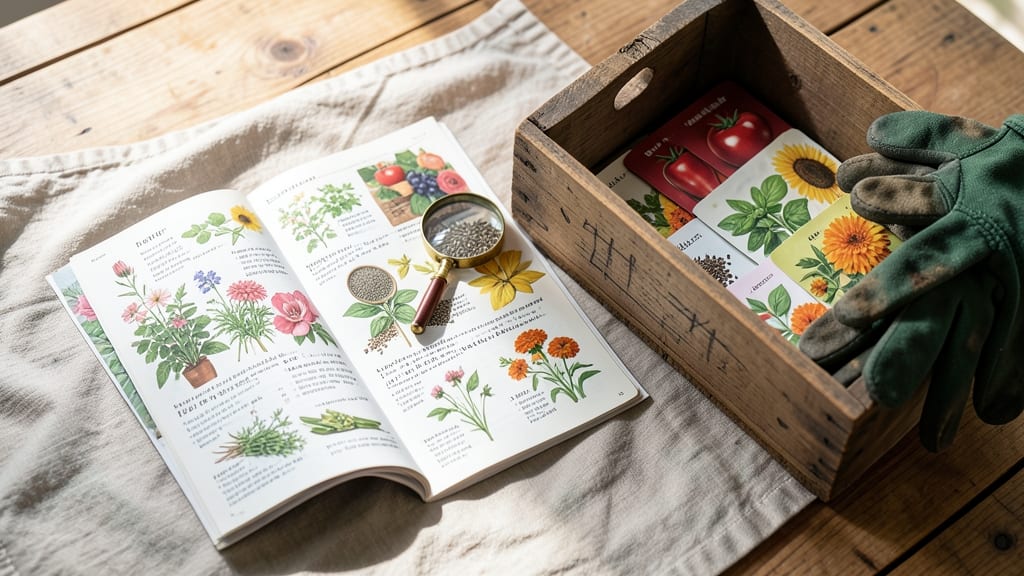
Garden seed catalogs are your year-round passport to a garden that blooms with unmatched variety and zero waste. 🌱 I still remember the thrill of flipping through my first catalog as a kid—those vibrant photos of flowers and vegetables made me dream of a garden bursting with life.
What I didn’t realize then was how these catalogs become your garden’s blueprint, letting you grow exactly what you love, when you love it.
The best catalogs do more than just show pretty pictures—they offer organic seed options, heirloom varieties, and even rare finds you won’t find at big-box stores. You’ll discover seeds perfect for your growing zone, whether you’re in a hot Southern summer or a cold Northern winter.
Plus, many include seed-saving tips so you can grow your own seeds year after year, cutting waste and saving money.
With a catalog in hand, you’ll plan a garden that’s personal, productive, and sustainable. Picture rows of tomatoes, fragrant herbs, and flowers that attract pollinators—all chosen just for you.
The process starts with a few hours of browsing, a notebook, and a vision for what you want your garden to be.
Here’s the kicker: these catalogs work for every gardener, from beginners to veterans. Whether you’re dreaming of a small balcony garden or a sprawling backyard, seed catalogs give you the tools to make it happen. Let’s turn those pages and get growing!
📚 In This Guide
- What you need
- Instructions
- Tips and common mistakes
- Wrapping up and next steps
What you need
- ● Seed catalogs: 2-5 (digital or printed) from reputable sources like Burpee, Baker Creek Heirloom Seeds, or Seed Savers Exchange.
- ● Notebook or planner: 1 (for tracking varieties, planting dates, and seed-saving notes).
- ● Highlighters or sticky notes: 2-3 (to mark favorites and deadlines).
- ○ Printing supplies (optional):strong> Ink, paper, or a tablet if digitizing catalogs.
- ● Pens/pencils: 2 (one for notes, one for circling seeds).
- ● Ruler or measuring tape: 1 (for spacing plants in your garden layout).
- ● Seed envelopes or resealable bags: 10-20 (for saving seeds; opt for kraft paper or breathable fabric bags).
- ● Labeling tags: 100+ (waterproof or reusable for seed packets).
- ● Garden journal or app: 1 (e.g., Gardenate or Seed to Table for digital tracking).
- ● Basic gardening knowledge: Familiarity with plant life cycles, soil prep, and seasonal planting.
- ● Space for a garden: Container, raised bed, or in-ground plot (even a balcony works!).
- ● Access to sunlight: 6+ hours/day for most vegetables/flowers.
- ● Water source: Hose, watering can, or drip irrigation near your garden.
- ● Patience: Seed saving takes time—plan for a full growing season!
How to plan your garden using seed catalogs
Seed catalogs are your secret weapon for designing a vibrant, sustainable garden year after year.
🌱 Step 1: Organize Catalogs by Plant Type and Season
Start by sorting your catalogs into categories: annuals, perennials, vegetables, and herbs. Highlight plants that thrive in your USDA hardiness zone—this ensures you won’t waste seeds on varieties that won’t survive your climate. I like to use sticky tabs to mark my top choices for each season, so I can quickly flip to them when planning.
Pay attention to the days to maturity listed for each plant. This tells you when to start seeds indoors or when to expect blooms and harvests. For example, if you want a summer-long tomato harvest, choose varieties with a 60-75 day maturity range and start seeds 8-10 weeks before your last frost date.
☀️ Step 2: Map Your Garden Layout for Sun and Space
Sketch a rough layout of your garden beds, noting where you have full sun, partial shade, and full shade. Most vegetables and annuals need at least 6-8 hours of direct sun, while herbs like parsley and chives can tolerate 4-6 hours. Use graph paper or a digital tool to scale your design—this helps avoid overcrowding.
Group plants with similar water and sunlight needs together. For instance, basil and tomatoes both love full sun and thrive with consistent moisture, while succulents and lavender prefer dry, well-drained soil. This makes maintenance easier and reduces waste from over- or under-watering.
📝 Step 3: Create a Seed Ordering and Planting Timeline
Make a timeline for when to order seeds, start them indoors, and transplant outdoors. Most catalogs include planting charts, but I also jot down notes in my garden journal for reference. For example, cool-season crops like lettuce and peas can go in the ground 4-6 weeks before your last frost, while warm-season crops like peppers and eggplants need to wait until soil temperatures reach 60°F.
Order seeds early—popular varieties sell out fast! Prioritize heirloom and open-pollinated seeds if you want to save seeds for next year. I always order 10-20% more seeds than I think I need to account for germination failures or unexpected losses.
🌿 Step 4: Plan for Year-Round Blooms and Zero-Waste Seed Saving
To keep your garden in bloom all year, mix early, mid, and late-season varieties. For example, plant snapdragons in early spring for summer color, then follow with cosmos in late summer for fall interest. Succession planting ensures you always have fresh herbs, vegetables, or flowers to enjoy.
Designate a small area for seed-saving plants like basil, beans, or sunflowers. Let a few plants go to seed at the end of the season, then collect and dry the seeds for next year. Label everything clearly—nothing’s worse than mixing up seeds and ending up with a mystery variety!
⏰ Step 5: Review and Adjust for Next Year
After your first harvest, take notes on what worked and what didn’t. Did a certain tomato variety produce better in your garden? Did a flower attract too many pests? Jot down these observations in your catalog or journal so you can refine your plan next season. I also circle the best-performing seeds in my catalogs for quick reordering.
Don’t forget to share excess seeds with friends or trade at local gardening groups. This builds community and reduces waste—plus, you might discover new varieties to try! With a little planning, your seed catalogs will become a living, evolving guide to a thriving garden.
Tips & tricks for perfect garden planning with seed catalogs
Real talk: Your seed catalogs can be your garden's best friend—or your biggest frustration. Here's how to turn those pages into a thriving, zero-waste garden plan.
Zone in on Your Climate: Don't just highlight your USDA hardiness zone—write it on your catalog cover! I use a highlighter to mark all plants that thrive in my zone, then circle the ones that perform best in my specific microclimate. This prevents wasted seeds and helps you prioritize what actually grows well where you live.
Visualize Your Garden Layout: Skip the mental sketch—use a free app like SketchUp or even a simple grid on graph paper. I color-code my zones (red for full sun, blue for partial shade) and measure actual plant spacing from the catalogs. This helps you avoid overcrowding before you even buy seeds, saving you money and frustration down the road.
Create a Seed Ordering Checklist: Make a master list of your top 10-15 varieties you want to grow each year. I keep this checklist in my catalogs so I can quickly reorder favorites. This system prevents impulse purchases of seeds you'll never use and ensures you always have your go-to varieties on hand.
Document Your Successes (and Failures): Keep a simple garden journal next to your catalogs. After each season, note which varieties thrived, which struggled, and why. I even include photos of my best (and worst) performers. This turns your catalogs into a living record of what actually works in your specific garden conditions over time.
Pro Tips for Garden Seed Catalogs
- Real talk: Your seed catalogs can be your garden's best friend—or your biggest frustration. Here's how to turn those ...
- Zone in on Your Climate: Don't just highlight your USDA hardiness zone—write it on your catalog cover! I use a highli...
- Visualize Your Garden Layout: Skip the mental sketch—use a free app like SketchUp or even a simple grid on graph pape...
Frequently asked questions
When is the best time to order garden seed catalogs?
Most gardeners order seed catalogs in late fall or winter (November–February) to plan their spring planting. However, many catalogs accept orders year-round, so check their websites for seasonal availability. Pro tip: Order early for rare varieties—they sell out fast!
How do I choose the right seed catalog for my climate?
Look for catalogs that specialize in your USDA Hardiness Zone or region (e.g., "Pacific Northwest" or "Southeast"). Many include zone-specific planting guides. For example, catalogs like Burpee or Johnny’s Selected Seeds offer tools to filter seeds by climate and growing conditions.
Are seed catalogs more expensive than buying seeds locally?
Not always! While some heirloom or organic seeds from catalogs cost more, bulk discounts and rare varieties often justify the price. Local nurseries may have limited selections, but catalogs offer thousands of options—including seeds you can’t find elsewhere. Tip: Compare prices per packet and check for coupons or loyalty programs.
Can I save seeds from catalog-ordered seeds for next year?
Most open-pollinated and heirloom seeds (common in catalogs) can be saved and replanted. Just follow the seed-saving instructions on the packet. Hybrid seeds (like many F1 varieties) may not produce true-to-type offspring, but they’re still great for eating. Bonus: Saving seeds reduces waste and connects you to the gardening cycle.
What should I do if my seeds arrive damaged or don’t grow?
First, check the packaging date—seeds lose viability over time (usually 1–5 years). If seeds are old or moldy, contact the catalog for a replacement or refund (most have return policies). For germination issues, try soaking seeds overnight or adjusting soil moisture. Pro move: Store seeds in a cool, dry place to extend their shelf life.
Wrapping up and next steps
Garden seed catalogs are your gateway to a vibrant, sustainable garden that thrives year-round—without the waste! Whether you're a seasoned gardener or just starting, these catalogs offer endless inspiration, from heirloom varieties to drought-resistant plants.
By embracing seed saving, you’ll not only cut costs but also reduce your environmental footprint while nurturing a deeper connection to the earth. 🌱
Ready to turn the page on traditional gardening? Start by browsing your favorite catalogs, jot down your dream plants, and plan your first seed-saving project—your future garden (and the planet) will thank you!