
Lawn
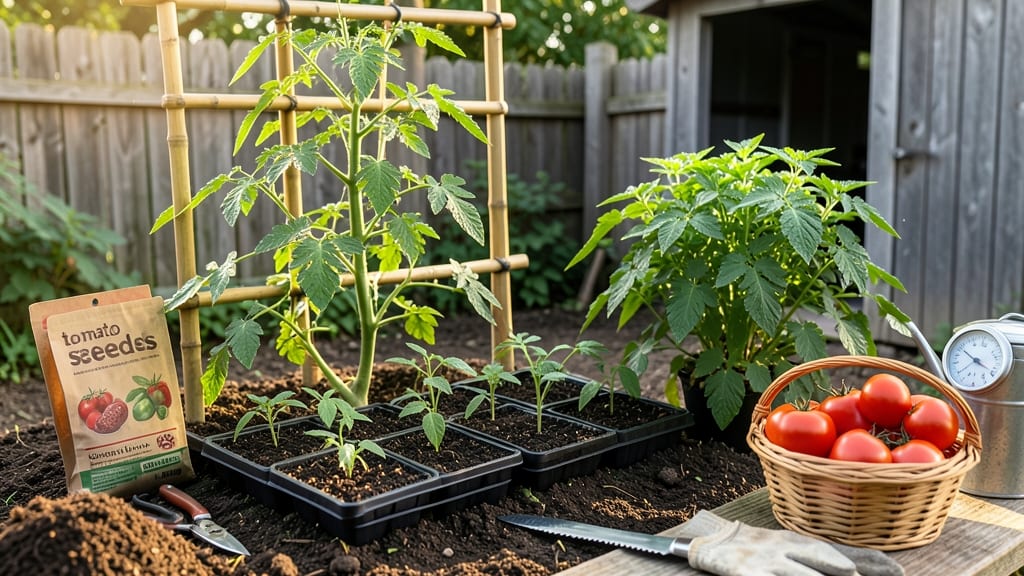
The clear directions to seed to table turn tiny specks into the freshest harvest you'll ever taste. 🌱 I've spent years perfecting this process, and the key is understanding that each plant has its own timeline—some sprout in days, others take weeks, and lawn seeds like fine fescue need patience but reward you with lush, weed-resistant grass. The magic starts with soil prep: loose, nutrient-rich earth where roots can stretch easily. I swear by mixing compost into the top 6 inches of soil—this isn't just about nutrients, it's about creating the perfect environment where seeds feel safe to germinate. Water gently but thoroughly, keeping the soil consistently moist (not soggy) until you see those first green shoots. Once your seedlings emerge, they'll need sunlight to thrive—at least 6 hours daily for most veggies. Thin them properly so each plant has room to grow strong, and watch as they transform from delicate sprouts into robust plants ready for harvest. The payoff? Homegrown food that tastes better than anything store-bought.
This method works for everything from fast-growing radishes to slow-maturing tomatoes, and even lawn seeds like Kentucky bluegrass. The timeline varies, but the principles stay the same: good soil, consistent care, and a little patience.
My first attempt with lettuce took 30 days from seed to salad—now I can't imagine buying it from the store.
📚 In This Guide
- What you need
- Instructions
- Tips and common mistakes
- Wrapping up and next steps
What you need
- ● Grass seed: Choose a high-quality, fast-germinating variety (e.g., Kentucky Bluegrass, Tall Fescue, or Perennial Ryegrass). Quantity: 4–8 lbs per 1,000 sq ft (check seed bag for coverage rates).
- ○ Lawn soil: Well-draining, loamy topsoil (pH 6.0–7.5). Optional: Mix in compost (10–20%) for nutrient boost.
- ● Fertilizer: Starter fertilizer (high in phosphorus, e.g., 5-10-10 ratio). Apply: 1 lb per 100 sq ft.
- ● Water: Hose with adjustable nozzle or sprinkler system.
- ● Rake: Heavy-duty garden rake (for leveling soil and covering seeds).
- ● Broadcast spreader: For even seed distribution (manual or drop-type).
- ● Lawn roller: Lightweight (30–50 lbs) to press seeds into soil.
- ● Pruners/shears: To trim weeds or debris before planting.
- ○ pH test kit: To check soil acidity (optional but recommended).
- ○ Mulching fabric: (Optional) For erosion control in windy areas.
- ● Weather check: Plant in spring or early fall (avoid frost or extreme heat). Ideal temps: 60–75°F.
- ● Soil prep: Clear debris, loosen soil to 4–6 inches deep, and level the area.
- ● Water access: Ensure consistent moisture (seeds need 1/4 inch water/day for 2–3 weeks).
- ● Time commitment: Daily checks for 30–45 days until germination.
Step-by-step germination timeline for your lush lawn
Here's how I transform bare patches into vibrant green—with precise timing and care.
🌱 Step 1: Prepare Soil and Sow Seeds at the Right Time
Test your soil first—ideal lawn seed needs a pH of 6.0-7.0 and loose, crumbly texture. If your soil is compacted, aerate it with a core aerator before planting. Spring and early fall are the best times to sow, when temperatures sit between 50-70°F—too hot or cold and germination slows dramatically.
Spread the seed evenly using a broadcast spreader or by hand, then lightly cover with ¼ inch of soil or compost. Don’t bury it deeper—seed needs light to trigger sprouting. Water gently right after planting so the soil stays consistently moist but not soggy. You’ll see the first signs of life in 5-14 days, depending on the grass type.
💧 Step 2: Maintain Moisture Without Overwatering
Keep the soil surface damp for the first 2-3 weeks—this is critical for young roots establishing. Water lightly once or twice daily (early morning is best) if the top ½ inch feels dry. Use a sprinkler with fine mist to avoid dislodging seeds or washing them away.
Watch for tiny green shoots breaking through the soil—that’s your signal to keep watering consistently. Once seedlings reach 1-2 inches tall, you can gradually reduce watering to once daily. Overwatering now causes fungal diseases like damping-off, which can kill seedlings overnight. If leaves yellow or look mushy, cut back on water immediately.
☀️ Step 3: Provide Optimal Light and Gradually Adjust Care
Seedlings need full sun (6+ hours daily) to grow strong, but avoid direct afternoon sun during the first week—it can dry out the soil too quickly. If your lawn gets intense afternoon heat, provide light shade (like a 30% shade cloth) until roots are established.
After 3-4 weeks, when grass reaches 2-3 inches tall, you can start mowing with a sharp blade set to 3 inches high. This encourages deeper root growth and a denser lawn. Avoid mowing when the grass is wet—it spreads disease and tears blades unevenly. You’ll notice the lawn thicken and fill in gaps within 6-8 weeks with proper care.
✂️ Step 4: Fertilize and Maintain for Long-Term Growth
Apply a starter fertilizer (low nitrogen, high phosphorus) at planting, then switch to a balanced lawn fertilizer (10-10-10) when the grass is 4-6 weeks old. Follow the package instructions for application rates—too much fertilizer burns young grass. Water deeply after fertilizing to help nutrients absorb into the soil.
Continue mowing regularly, never removing more than ⅓ of the blade height at once. This keeps grass healthy and prevents stress. By 10-12 weeks, your lawn should look lush and uniform, ready for seasonal adjustments like overseeding or aeration. The key is patience—rushing leads to weak growth, but consistent care pays off with a resilient lawn.
Tips & tricks for perfect lawn germination
These simple tricks will help you avoid common pitfalls and ensure your lawn grows strong from the start.
Soil Prep Secret: Before sowing, mix a thin layer of compost into the top ¼ inch of soil—this adds nutrients without burying seeds too deep. I like to use a garden fork to loosen soil while avoiding deep disturbance, which keeps the seedbed light and airy for quick germination. The goal is to mimic the natural conditions seeds need to sprout efficiently.
Watering Wisdom: The first 2-3 weeks are critical for moisture control. Use a rain gauge or trowel to check soil dampness—stick your finger ½ inch deep; if it feels dry, water lightly. Early morning watering prevents fungal growth, and a fine mist sprinkler head keeps seeds in place. Never let the soil dry out completely during this period, or you'll risk losing your entire batch of seedlings.
Light Management: While seedlings need full sun, intense afternoon heat can dry out soil quickly during the first week. If your area gets hot afternoons, provide temporary shade with a lightweight row cover or even a piece of window screen. This protects young shoots while still allowing light penetration. Remove shade after 7-10 days when roots start establishing.
Fertilizer Timing: That starter fertilizer at planting gives seeds a nutrient boost, but too much too soon can burn tender roots. I recommend using half the package rate at planting, then waiting until 4-6 weeks to apply the full balanced fertilizer. This gradual approach prevents shock while still supporting growth. Always water deeply after fertilizing to help nutrients penetrate the soil.
Pro Tips for Directions To Seed To Table
- These simple tricks will help you avoid common pitfalls and ensure your lawn grows strong from the start.
- Soil Prep Secret: Before sowing, mix a thin layer of compost into the top ¼ inch of soil—this adds nutrients without ...
- Watering Wisdom: The first 2-3 weeks are critical for moisture control. Use a rain gauge or trowel to check soil damp...
Frequently asked questions
Got questions about growing a lush lawn from seed? Here are some of the most common ones—and their answers—to keep your project on track!
How long does it take for grass seed to germinate?
Germination time varies by grass type: cool-season grasses (like Kentucky bluegrass) sprout in 7–21 days, while warm-season grasses (like Bermuda) take 10–30 days. Check the seed packet for specifics—patience pays off!
Can I speed up germination?
Lightly rake the soil to ensure good seed-to-soil contact, keep it consistently moist (not soggy), and maintain ideal temps (60–75°F for cool-season; 80–95°F for warm-season). A gentle misting or seed starter fertilizer can also help.
What if my lawn isn’t growing evenly?
Uneven growth often means uneven moisture, soil, or seed distribution. Check for bare spots, adjust watering (early morning is best), and re-seed thin areas. Shade or soil compaction could also be culprits—test your soil’s pH if needed.
How often should I water newly planted grass seed?
Keep the soil damp but not waterlogged—water lightly 2–3 times daily (about 5–10 minutes per session) until seeds sprout. Once grass blades reach 2–3 inches, reduce to 1 inch per week (including rain).
What if weeds pop up before the grass?
Weeds are normal early on! Hand-pull them before they seed, or spot-treat with a pre-emergent herbicide (apply after germination). Avoid broad-spectrum sprays—they’ll kill your grass too. Mulch lightly with straw to suppress weeds naturally.
Wrapping up and next steps
Growing a lush lawn from seed is a rewarding journey that starts with patience and ends with a vibrant outdoor space! 🌱 By following the seed-to-table directions in this guide—from soil prep to germination timelines—you’ve set yourself up for success.
Remember, consistency is key: water wisely, monitor growth, and protect your young grass from pests or harsh weather.
Ready to take the next step? Start small—plant a test patch or a single section to refine your technique before tackling the whole yard. Once you’ve mastered the basics, experiment with grass types, soil amendments, or even companion plants to create the perfect lawn ecosystem. Happy growing! 🌿