
Size
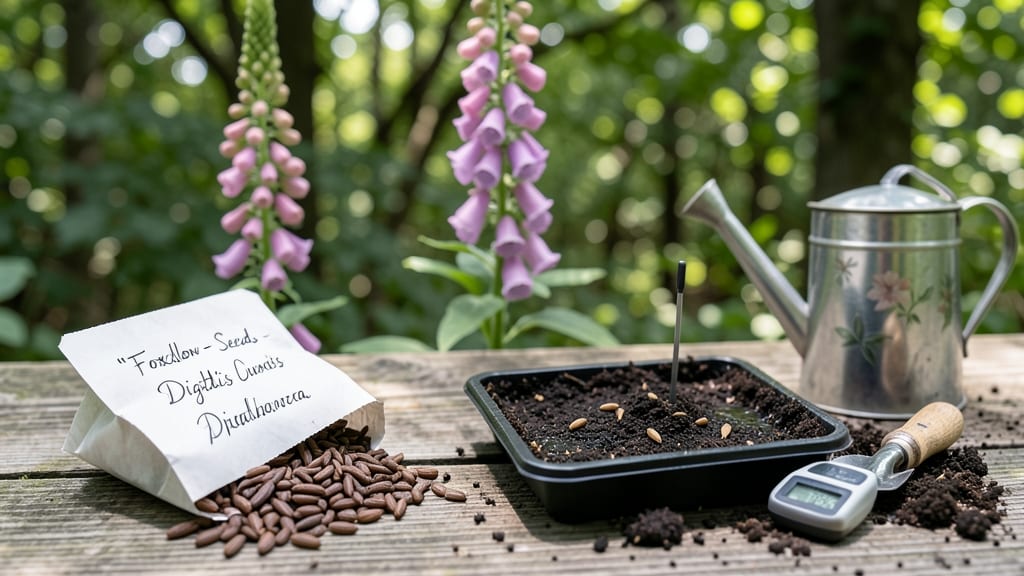
Growing foxglove seeds in a garden means you’ll have those towering, bell-shaped blooms without buying plants—and you’ll save seeds from your own plants for next year. 🌿 The trick is patience: foxglove seeds need cold stratification to germinate, but once they break dormancy, they’re shockingly reliable.
I’ve grown them from seed three years running, and the first flush of seedlings always feels like magic. The process starts with fresh pods—let them dry on the stalk before harvesting. Plant seeds in well-draining soil, barely covering them, and keep them moist but not soggy.
Most gardeners give up here, but the real work comes in winter: chilling seeds for 6-8 weeks mimics nature’s timing. After that, germination happens fast, and you’ll have seedlings ready for transplanting by spring.
By summer, you’ll have foxglove spikes reaching 3-5 feet tall, their purple, pink, or white bells swaying in the breeze. The plants self-seed too, so you’ll get free repeats for years. Just watch for slugs—they love young seedlings—and deadhead spent blooms to encourage more flowers.
This method works for any climate, though cooler regions get the best results. Start seeds indoors in late summer for spring planting, or sow directly in fall for a slower but equally effective approach. Either way, you’ll end up with foxglove that thrives exactly where you planted it.
📚 In This Guide
- What you need
- Instructions
- Tips and common mistakes
- Wrapping up and next steps
What you need
- ● Foxglove seeds: 10–20 seeds (fresh or stored properly for up to 2 years). Opt for heirloom varieties like Digitalis purpurea for vibrant blooms.
- ● Seed-starting mix: 1–2 quarts of sterile, well-draining potting soil (avoid garden soil—it may harbor pathogens). Look for a mix labeled "seed-starting" or "organic potting soil."
- ● Containers: Small seed trays (3–4 inches deep) with drainage holes, or
- ● Individual biodegradable pots (2–3 inches in diameter) for easy transplanting.
- ● Grow lights or sunny windowsill: A south-facing window or a full-spectrum LED grow light (12–16 hours/day) for seedlings.
- ● Misting bottle or spray nozzle: To keep soil moist without overwatering.
- ○ Plastic wrap or humidity dome: Optional but helpful for creating a mini greenhouse effect during germination.
- ● Fine-tip tweezers: For gently placing tiny seeds without burying them.
- ● Labeling tags: To track seed varieties (foxglove seeds are tiny—you’ll thank yourself later!).
- ○ Fertilizer (optional): A balanced, water-soluble fertilizer (5-5-5 or 10-10-10) diluted to half-strength for seedlings after 3–4 weeks.
- ● OR a slow-release organic fertilizer like worm castings.
- ● Transplanting tools: Small hand trowel or spoon for moving seedlings to larger pots or garden beds.
- ● Pruning shears: For harvesting mature seed pods later (if saving seeds for future gardens!).
- ● Patience: Foxglove seeds can take 2–4 weeks to germinate—don’t rush them!
- ● Cooling period: Seeds often need stratification (4–6 weeks in the fridge) for better germination. Check your seed packet for specifics.
- ● Space: Mature foxglove plants can grow 3–5 feet tall—ensure your garden has partial shade and room to thrive.
Step-by-step instructions for growing foxglove from seed
Here’s how to transform fluffy foxglove seed pods into thriving plants—without the frustrating twists.
🌱 Step 1: Collect and Prepare Seeds from Mature Pods
Harvest seed pods when they turn brown and dry but before they split open naturally. I like to pick them in late summer or early fall, then lay them on newspaper in a dry, shaded spot for a week. This lets the pods open fully on their own—no twisting required.
Once open, gently shake the pods over a white bowl to separate seeds from chaff. Foxglove seeds are tiny and dark brown, so I use a fine-mesh sieve to catch any that stick to the paper. Store them in an envelope until spring planting. Real talk: these seeds need a cold period to germinate, so don’t rush it.
💧 Step 2: Stratify Seeds for Better Germination
Foxglove seeds require cold stratification to break dormancy. Mix the seeds with a little damp sand or perlite in a sealed container, then refrigerate for 4-6 weeks. I place mine in a plastic bag with a damp paper towel and check weekly—just enough moisture to keep things damp but not soggy.
After stratification, plant the seeds immediately. Don’t let them sit at room temperature—they’ll lose viability fast. You’ll know stratification worked when you see firm, plump seeds instead of shriveled ones.
☀️ Step 3: Sow Seeds in Well-Draining Soil
Fill small pots or seed trays with light, well-draining soil—foxglove hates soggy roots. Press seeds ¼ inch deep into the soil, spacing them ½ inch apart. A spray bottle helps water gently without disturbing the tiny seeds. Cover the tray with plastic wrap to keep humidity high.
Place the tray in a cool, bright spot (around 60-65°F). Avoid direct sunlight—it’ll dry out the soil too fast. Germination takes 2-4 weeks, so be patient. You’ll see the first tiny sprouts poking through the soil like green hairs.
🌿 Step 4: Thin Seedlings and Provide Proper Light
Once seedlings have 2-3 true leaves, thin them to 4 inches apart in the same pot or transplant to individual containers. Use scissors to snip weak seedlings at soil level—this prevents disturbing roots. Foxglove grows best in partial shade to full sun, but young plants need gradual exposure.
After thinning, move pots to a sunny windowsill or under grow lights for 12-14 hours daily. Leggy seedlings mean too little light—adjust the setup immediately. Strong plants will have bold green leaves and sturdy stems by late spring.
⏰ Step 5: Acclimate and Plant Outdoors
Harden off seedlings by placing them outside in partial shade for 1-2 hours the first week, increasing time daily. After 10-14 days, they’re ready for the garden. Choose a spot with morning sun and afternoon shade—foxglove tolerates heat better this way.
Plant in well-draining soil with compost mixed in. Space mature plants 18-24 inches apart to allow airflow (this prevents fungal issues). Water deeply at planting, then keep soil evenly moist but not waterlogged. You’ll see blooms in 2 years—patience pays off!
Tips & tricks for growing foxglove from seed
These simple strategies will help you avoid the common pitfalls of foxglove seed growing—so you can enjoy thriving plants without the frustration.
Pod Harvesting Secret: When harvesting those fluffy foxglove pods, look for ones that are fully brown but haven't split open yet. If you wait too long, you'll lose seeds to wind dispersal. I like to lay them on newspaper in a dry, shaded spot for exactly one week—this gives them just enough time to open naturally without any forced twisting. The key is patience here; rushing this step can damage the delicate seeds inside.
Stratification Success Tip: During the 4-6 week cold stratification period, I've found that checking your seeds weekly is crucial. The damp sand or perlite should feel like a wrung-out sponge—not dripping, but definitely moist. If you notice any mold developing, it's time to adjust. I also recommend labeling your containers with the date—foxglove seeds lose viability quickly once they warm up, so planting immediately after stratification is non-negotiable.
Germination Environment: That 60-65°F temperature range for germination is perfect, but the real magic happens with consistent moisture. I use a spray bottle to mist the soil daily rather than watering from above, which prevents disturbing the tiny seeds. The plastic wrap creates a mini greenhouse effect, but be sure to remove it for a few minutes daily to prevent mold. You'll know you're on the right track when you see those first green sprouts after 2-4 weeks—it's like watching tiny miracles emerge!
Light Management: For those 12-14 hours of daily light, I've learned that positioning your seedlings about 6 inches below grow lights works best. Too close and they'll scorch; too far and they'll stretch. If you notice seedlings growing tall and leggy, it's a clear sign they need more light. I've seen foxglove seedlings go from sturdy to sad-looking in just a few days if they're not getting enough light—don't let that happen to yours!
Pro Tips for Foxglove Seed Grow A Garden
- These simple strategies will help you avoid the common pitfalls of foxglove seed growing—so you can enjoy thriving plants without the frustration.
- Pod Harvesting Secret: When harvesting those fluffy foxglove pods, look for ones that are fully brown but haven't split open yet.
- Stratification Success Tip: During the 4-6 week cold stratification period, I've found that checking your seeds weekly is crucial.
Frequently asked questions
Got questions about growing foxglove from seed?
Here are some of the most common ones—plus quick answers to help you avoid pitfalls and grow stunning, twist-free foxglove pods every season!
How long does it take for foxglove seeds to germinate?
Foxglove seeds can take anywhere from 4 to 12 weeks to germinate—patience is key! Cold stratification (chilling seeds for 4–6 weeks) speeds up the process. Keep soil moist but not soggy, and place pots in a cool, bright spot (like a fridge or unheated greenhouse) until sprouts appear.
When is the best time to plant foxglove seeds?
For fastest results, sow seeds outdoors in late fall or early winter (they’ll stratify naturally). Alternatively, plant indoors in early spring (8–10 weeks before last frost) after cold-stratifying. Foxglove thrives in cool weather—avoid planting in hot summer months, or germination rates drop.
Can I grow foxglove from store-bought seeds, or do I need to harvest my own?
Yes! Store-bought foxglove seeds work fine, but harvesting your own ensures the best results for your climate. Save seeds from healthy plants in late summer or early fall (when pods turn brown and split open). Just dry them thoroughly before storing in a paper envelope—no plastic!
Why aren’t my foxglove seeds germinating?
Common culprits: too-warm soil (foxglove loves cool temps), dampness (rot can set in), or skipping stratification. Try this fix: Mix seeds with damp sand, place in a sealed bag, and refrigerate for 6 weeks. Then replant—most seeds should sprout within 2–4 weeks.
How do I prevent foxglove pods from twisting before they open?
Twisted pods happen when seeds dry too quickly or lack support. Harvest pods when they’re fully brown but still slightly pliable—don’t wait for them to split! Hang them upside down in a dry, shaded spot (like a mesh bag) to dry evenly. Avoid humid conditions, which cause warping.
Wrapping up and next steps
Growing foxglove from seed is a rewarding journey that combines creativity with sustainability!
With just a few simple steps—like harvesting twist-free pods and saving seeds—you’ll unlock a zero-waste way to expand your garden year after year. Your patience will pay off with stunning, towering blooms that attract pollinators and add drama to any space.
Ready to take the next step? Start small—try growing a few plants in containers or a dedicated garden bed, then share your tips with fellow gardeners. Happy planting! 🌱✨