
Lawn
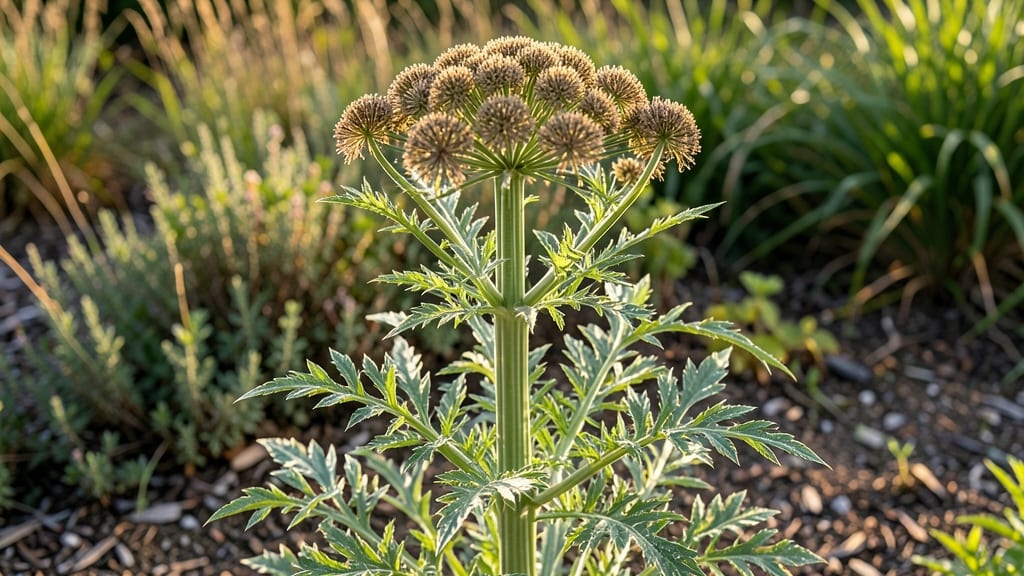
Those twist-resistant fennel seed heads are nature’s perfect seed-saving solution. 🌿 I’ve saved seeds from them for years—they’re sturdy enough to resist birds and squirrels while drying naturally in the garden. The key is knowing when to harvest and how to handle them so you don’t waste a single seed.
You’ll need healthy fennel plants spaced 18-24 inches apart in full sun, well-drained soil, and patience. The seed heads form in late summer, turning from green to golden-brown. Once they’re dry but still firm, twist them gently—if they resist, they’re ready. Avoid harvesting when damp, or the seeds may mold.
Drying takes 1-2 weeks in a cool, dry place. Once fully dry, rub the seeds between your palms to release them, then store in a paper bag in a dark, cool spot.
You’ll have seeds that sprout just as reliably as store-bought, and they’re perfect for planting next year or sharing with fellow gardeners.
Bonus: Fennel seed heads also make stunning dried arrangements. Their feathery texture adds height and texture to winter bouquets—just leave a few for decoration before harvesting the rest. Easy, practical, and beautiful!
📚 In This Guide
- What you need
- Instructions
- Tips and common mistakes
- Wrapping up and next steps
What you need
- ● Mature fennel plants (at least 2–3 plants for a good seed harvest; look for thick, brownish-green seed heads that feel dry and papery to the touch).
- ● Sharp pruning shears or garden scissors (to cleanly snip seed heads without damaging the plant).
- ● Brown paper bags or breathable mesh bags (2–3 bags, sized to fit seed heads loosely—avoid plastic to prevent moisture buildup).
- ● Newspaper or cardboard (for drying seed heads indoors; at least 1–2 sheets).
- ● Small wooden spoon or butter knife (for gently tapping out seeds once dried).
- ○ Fine-mesh sieve or colander (to separate seeds from chaff; optional but helpful).
- ● Air-tight glass jars or seed envelopes (for long-term storage; 1–2 jars or 5–10 envelopes).
- ● Labeling tags or masking tape + marker (to label jars/envelopes with the date and variety).
- ● Desiccant packets (for jars to absorb excess moisture and extend shelf life).
- ● Glove (if you’re sensitive to fennel’s aromatic oils or have allergies).
- ● Twine or rubber bands (to bundle seed heads for hanging while drying).
How to preserve fennel seed heads for easy seed saving
Here's the straightforward method I use every year to harvest fennel seeds without the frustrating twist-and-pull struggle.
🌱 Step 1: Select and Harvest Mature Seed Heads
Wait until the fennel seed heads turn a deep golden-brown color—this usually happens in late summer or early fall, depending on your climate. The tiny seeds inside should rattle when you shake the head gently. I always harvest on a dry, sunny morning when the dew has evaporated, as moisture makes the stems slippery and harder to handle.
Use clean, sharp pruning shears to cut the entire seed head from the plant, leaving about 2 inches of stem attached. This prevents the seeds from scattering as you work. If you're growing multiple plants, harvest all heads at once—they ripen unevenly, and unharvested heads will drop seeds to the ground.
🪴 Step 2: Dry the Seed Heads Properly
Hang the fennel seed heads upside down in a dry, well-ventilated area with good airflow, like a garage or covered porch. I tie them together with twine and suspend them from a hook or nail. This method ensures the seeds fully mature and dry without risking mold or rot.
Drying takes about 2-3 weeks, depending on your humidity levels. You'll know they're ready when the seed pods turn a pale, almost translucent brown and the seeds inside rattle loudly when shaken. Avoid direct sunlight, which can overheat the heads and cause the seeds to lose viability.
✂️ Step 3: Break Down and Store the Seeds
Once fully dry, place the seed heads in a clean paper bag and gently crush them with a rolling pin or your hands. The seeds will separate easily from the dried pods. I like to do this over a large tray to catch any stray seeds that might escape during the process.
Sift the seeds through a fine-mesh strainer to remove debris and chaff. Store the clean seeds in an airtight container, like a glass jar with a tight-sealing lid, in a cool, dark place. Properly stored fennel seeds remain viable for up to 3 years, though they'll lose some germination vigor after the first year.
💧 Step 4: Test Germination Before Storing Long-Term
Before you tuck the seeds away for the season, do a quick germination test to ensure they're still good. Place 10 seeds between two damp paper towels in a sealed plastic bag. Keep them in a warm spot, like on top of your refrigerator, and check for sprouts in 7-10 days.
If at least 70% of the seeds sprout, your batch is strong and ready for long-term storage. If fewer than half sprout, consider using those seeds first or saving them for culinary use instead of planting. This simple test saves you from planting weak seeds and waiting for disappointing results in the spring.
Tips & tricks for perfect fennel seed preservation
These game-changing techniques make seed saving foolproof—no more stubborn fennel pods or wasted harvests.
Harvest Timing: The golden-brown color is your cue, but don't rely solely on appearance. Shake the seed heads gently—if they rattle loudly, they're ready. I harvest when the pods start cracking open naturally, which usually happens in late summer when mornings are dry. This prevents the seeds from scattering when you handle them, especially important when you're working with multiple plants at once.
Drying Strategy: For consistent results, create a drying station with a fan on low setting to circulate air around the hanging seed heads. The 2-3 week drying period can feel long, but patience here prevents mold. I've found that tying the heads together with twine and hanging them from a sturdy nail in a garage works perfectly—just avoid direct sunlight, which can overheat the seeds and reduce their viability. A small piece of cardboard under the hanging heads catches any stray seeds that might fall.
Storage Wisdom: After sifting, divide your clean fennel seeds into smaller portions before storing. I use small glass jars with tight lids and label each with the harvest year. Store one jar in the freezer for long-term preservation—seeds stored this way maintain viability for up to 5 years. For regular use, keep the other jar in a cool, dark pantry. The key is preventing moisture buildup, which can cause seeds to clump and lose potency.
Germination Test: When testing those 10 seeds, place them in a sealed plastic bag with the damp paper towels to create a mini greenhouse effect. I like to use a clear bag so I can easily see the sprouts without opening it. If fewer than 70% sprout, consider using those seeds for cooking first—they'll still add wonderful flavor to dishes even if they don't germinate well for planting.
Pro Tips for Fennel Seed Heads
- These game-changing techniques make seed saving foolproof—no more stubborn fennel pods or wasted harvests.
- Harvest Timing: The golden-brown color is your cue, but don't rely solely on appearance.
- Drying Strategy: For consistent results, create a drying station with a fan on low setting to circulate air around the hanging seed heads.
Frequently asked questions
about fennel seed heads—because even the best gardeners need a little clarity! Here are answers to the most common queries to help you master seed saving with ease.How do I know when fennel seed heads are ready for harvesting?
Fennel seed heads are ready when they turn a light brown color and the seeds rattle inside when gently shaken. Aim for late summer to early fall (typically 80–100 days after planting). Wait too long, and the seeds may scatter—so keep an eye out!
What’s the best way to store harvested fennel seeds?
Store seeds in a cool, dry place (like a sealed jar or envelope) away from direct sunlight. They’ll stay viable for 1–2 years if kept dry. For extra freshness, refrigerate or freeze them in small batches!
Can I use fennel seed heads for anything other than saving seeds?
The feathery fronds are edible and great for garnishes, while the bulbs can be roasted or sautéed. Even the seed heads make stunning dried arrangements—just let them dry completely first!
Why are my fennel seed heads splitting or dropping seeds?
This usually happens if the heads are overripe or the plant is stressed (drought, pests, or wind). Harvest them before they split by cutting the stems and hanging them upside down in a paper bag to catch stray seeds.
Are fennel seed heads invasive? Should I remove them after harvesting?
Fennel is not invasive in most climates, but it can self-seed aggressively. If you don’t want volunteers popping up, deadhead the spent seed heads after harvesting. Otherwise, enjoy the free fennel!
Wrapping up and next steps
Fennel seed heads are nature’s clever solution for easy seed saving—no twisting required! Their unique structure ensures seeds stay protected until they’re ready to spread, making them a gardener’s dream for low-effort propagation.
Whether you’re a seasoned green thumb or just starting, these resilient pods simplify the process while rewarding you with abundant, flavorful seeds.
Ready to harvest your own fennel seeds? Grab a pair of pruners, find a sunny spot, and let these twist-resistant pods do the work for you! 🌱✨ Start saving seeds today—your future garden will thank you!