
Lawn
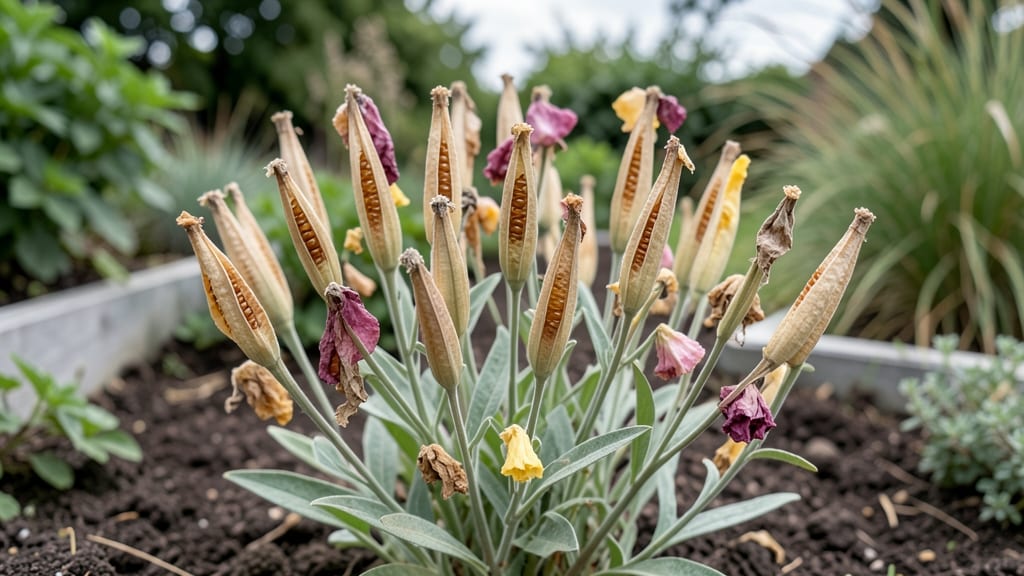
Twisting open snapdragon seed pods reveals a gardener's secret weapon—zero-waste seed saving that doubles as a stunning dried flower. ✨ I first discovered this trick when my snapdragons turned from vibrant blooms to intricate seed sculptures, and now I never toss them.
The pods dry to a papery texture, releasing seeds with a satisfying pop, while their unique shapes make them perfect for dried arrangements or next year's garden. You'll need just three things: mature snapdragon plants, a well-ventilated drying spot, and a little patience.
Harvest pods when they turn from green to brown and start splitting open naturally—this usually happens 4-6 weeks after flowering. The drying process takes about 2 weeks in a dry, shaded area, and storing them in paper envelopes keeps them viable for years.
What you end up with is a collection of ornamental seed pods that look like tiny lanterns, plus fresh seeds ready to replant. The dried pods add texture to winter wreaths or table centerpieces, while the saved seeds guarantee your favorite varieties return next season—no store-bought plants needed.
Works for both gardeners and crafters: use the pods decoratively or plant them for a self-sustaining snapdragon cycle. Here's how to make the most of them!
📚 In This Guide
- What you need
- Instructions
- Tips and common mistakes
- Wrapping up and next steps
What you need
- ● Fresh snapdragon flowers (10-20 plants, depending on desired quantity): Choose Antirrhinum majus varieties with fully mature seed pods (brown, dry, and slightly papery).
- ● Sharp pruning shears or scissors (1 pair) – for clean cuts.
- ● Paper towels or newspaper (1 roll or sheet) – for drying.
- ● Cardboard or mesh drying tray (1) – to elevate pods for airflow.
- ● Small paper bags or envelopes (5-10) – for storage.
- ● Permanent marker (1) – to label seeds.
- ○ Glass jar or airtight container (1) – for long-term storage (optional but recommended).
- ● Desiccant packets (1-2) – to absorb excess moisture in storage.
- ● Magnifying glass (1) – for inspecting seed viability.
- ● Seed catalog or notebook – to track varieties and harvest dates.
- ● Twine or rubber bands – to bundle pods for hanging drying.
How to harvest and save snapdragon seed pods for zero-waste gardening
Here's how I transform snapdragons into a self-sustaining seed source—no waste, just endless growing potential.
🌿 Step 1: Identify and Select Mature Seed Pods
Wait until late summer or early fall when snapdragon flower spikes turn completely brown and crispy. The pods should feel dry and papery to the touch, with a slight hollow sound when tapped. I avoid pods with any green remnants—they won't release seeds properly. Choose the healthiest-looking spikes, as they'll yield the most viable seeds.
Use clean, sharp pruning shears to cut the entire seed stalk at the base. Leave about 2 inches of stem attached to each pod—this makes handling easier later. Bundle the stalks together and hang them upside down in a dry, shaded spot. A garage or covered porch works perfectly, as long as it's protected from rain and direct sunlight.
💧 Step 2: Dry and Condition the Seed Pods
Let the pods dry for 2-3 weeks until they're completely brittle. You'll know they're ready when a gentle twist opens the pod with a soft pop sound. If they resist, they need more drying time. I check daily by twisting a single pod—this prevents over-drying or mold growth.
Once fully dry, remove the pods from the stalks by twisting them off. Place them in a paper bag and store in a cool, dark spot for another 1-2 weeks. This additional conditioning period ensures maximum seed viability. The bag traps any remaining moisture while allowing airflow—no plastic containers needed.
✂️ Step 3: Extract and Clean the Seeds
Twist each pod gently between your fingers until it releases its seeds. You'll see tiny, elongated seeds with a papery coating—these are your snapdragons' future. I spread them on a clean sheet of newspaper to dry completely for 24 hours. This prevents clumping and makes storage easier.
Use a fine-mesh strainer or sieve to remove any chaff or debris. For extra cleanliness, I run the seeds through a colander under running water—this removes dust without damaging the seed coats. Once dry, store them in a labeled paper envelope in a cool, dark place. Snapdragon seeds remain viable for 2-3 years when stored properly.
🌱 Step 4: Test and Store for Next Season
Before storing, I test a handful of seeds by planting them in a small pot. If 80% or more germinate within 10-14 days, the rest are ready for long-term storage. This simple test saves you from discovering poor viability later. I label each envelope with the variety name and harvest date—snapdragons come in many colors, and mixing varieties can lead to unexpected blooms.
For large quantities, divide seeds into smaller portions. This prevents moisture buildup and makes it easier to track germination rates year after year. Place silica gel packets in the storage container to absorb any residual moisture—this extends seed life significantly. Now you're ready to grow snapdragons from seed next season with zero waste!
Tips & tricks for perfect snapdragon seed pod preservation
Here's what nobody tells you about maximizing seed viability and avoiding common pitfalls in the process.
Timing Secret: In Step 1, when harvesting your pods, aim for the first crisp morning after a dry night. Dew can create moisture that promotes mold during the crucial drying phase. I've found that pods harvested immediately after dew dries naturally yield seeds with higher viability—this is especially important if your climate tends to be humid. The 24-hour drying period on newspaper (Step 3) becomes even more critical after morning harvests.
Selection Tip: Don't overlook the smaller pods when selecting in Step 1. While larger pods may seem more impressive, they often contain fewer viable seeds. I've noticed that the medium-sized pods (about 1.5 inches long) consistently produce the most seeds per pod. Always examine both sides of each pod—sometimes one side looks mature while the other still contains green remnants.
Conditioning Strategy: The 1-2 week conditioning period in Step 2 is where many gardeners cut corners. I recommend placing your paper bag of pods in a location with consistent 65-70°F temperatures during this phase. Fluctuations can cause condensation that reduces seed viability. If your home tends to be cooler, consider placing the bag near a sunny window during daylight hours to maintain optimal conditions.
Storage Wisdom: For long-term storage beyond the initial 2-3 years, consider adding a small packet of uncooked rice to your seed envelopes. The rice absorbs any residual moisture better than silica gel packets alone, and I've had snapdragon seeds remain viable for up to 5 years using this method. Just be sure to label your envelopes clearly—variety names can get lost when you're working with multiple colors!
Pro Tips for Dried Snapdragon Seed Pods
- Here's what nobody tells you about maximizing seed viability and avoiding common pitfalls in the process.
- Timing Secret: In Step 1, when harvesting your pods, aim for the first crisp morning after a dry night.
- Selection Tip: Don't overlook the smaller pods when selecting in Step 1.
Frequently asked questions
Got questions about working with dried snapdragon seed pods? You’re not alone! Here are some of the most common inquiries—plus quick, practical answers to keep your zero-waste seed-saving project on track.
How do I know when snapdragon seed pods are fully dried and ready to harvest?
Seed pods are ready when they turn papery brown and split open on their own. Gently tap a pod—if seeds rattle inside, they’re dry! Harvest on a sunny, dry day to avoid moisture. Avoid harvesting if pods are still green or damp, as this can spoil seeds.
How long does it take for snapdragon pods to dry after flowering?
Drying time varies by climate, but most snapdragon pods take 4–8 weeks to fully mature after flowering. In hot, dry conditions, pods may dry faster (3–4 weeks), while cooler or humid weather can extend drying to 10+ weeks. Patience pays off—rushing can ruin seeds!
Can I use dried snapdragon seed pods for anything other than seed saving?
Beyond seeds, dried pods add whimsical texture to floral arrangements, crafts (like wreaths or potpourri), or even sensory gardens for kids. Just ensure pods are completely dry to prevent mold. Bonus: Their unique shape makes them a zero-waste decor staple!
What should I do if my snapdragon pods develop mold or pests before drying?
Act fast! If you spot mold (fuzzy spots) or pests (aphids, spider mites), isolate affected pods and discard them. For prevention:
- Harvest pods early in the morning when humidity is low.
- Store pods in a well-ventilated, dry place (like a mesh bag).
- Check plants regularly for signs of stress (overwatering or crowding attracts pests).
How should I store dried snapdragon seed pods long-term?
Store pods in a cool, dark, and dry environment (like a sealed envelope or airtight container with silica gel packets). Label with the year and variety to track. Under ideal conditions, seeds stay viable for 2–3 years. Avoid refrigeration unless humidity is a concern—it’s usually unnecessary!
Wrapping up and next steps
Dried snapdragon seed pods offer a zero-waste, eco-friendly way to save seeds while adding a whimsical touch to your garden. Their unique twist-release mechanism makes seed collection effortless and fun—perfect for gardeners who love simplicity and sustainability. 🌿
Now that you’re ready to try it, grab a pair of pods, follow the steps, and let your creativity bloom! Share your seed-saving adventures with fellow gardeners or experiment with other twist-release plants like lupines or milkweed for even more variety. Happy gardening!