
Propagation
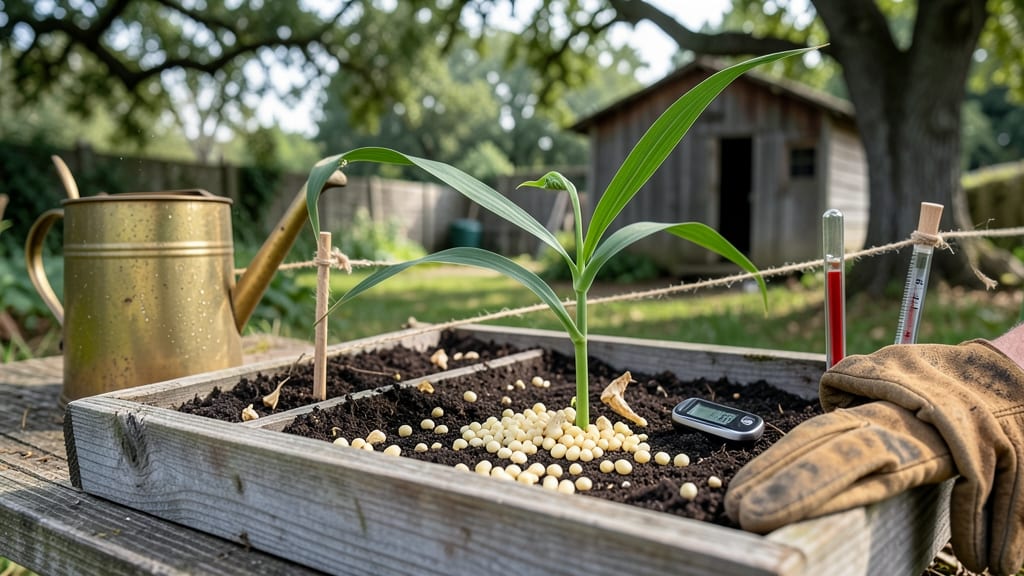
The corn seed germination time can range from 7–14 days under ideal conditions—but those first green shoots still feel like a miracle after weeks of waiting. 🌱 I’ve learned that patience is key, but so is knowing how to tweak the environment for faster, stronger germination.
The right soil temperature, moisture, and depth make all the difference between eager sprouts and stubborn silence.
Most gardeners overlook soil temperature, but corn seeds only germinate well when soil reaches 60–85°F. Too cold, and they’ll rot; too hot, and they’ll dry out before sprouting.
Planting depth matters too—bury seeds 1–2 inches deep for consistent moisture without suffocating them. Pre-soaking seeds overnight in warm water can shave off 2–3 days of waiting time.
When done right, you’ll see those first pale shoots poking through the soil in about a week, with full emergence by 10–14 days. The trick is keeping the soil moist (not soggy) and warm—covering the bed with black plastic mulch speeds things up by 3–5 days.
If germination takes longer than two weeks, check for rot or improper depth.
This method works for all corn varieties, from sweet corn to field corn, and adapts to both spring and summer planting. Once you master these basics, you’ll have a head start on a bountiful harvest—no more guessing games. Here’s how to troubleshoot if things stall.
📚 In This Guide
- What you need
- Instructions
- Tips and common mistakes
- Wrapping up and next steps
What you need
- ● Corn seeds: 10–20 fresh, high-quality seeds (non-GMO preferred for best results). Pro tip: 💡 Check the seed packet for viability—aim for 90%+ germination rate!
- ● Germination container: Option 1: Seedling tray (1020-cell tray) or small pots (3–4" diameter) with drainage holes.
- ● Option 2: Paper towels or coffee filters (2–3 layers) + resealable plastic bag (for the "wet paper towel method").
- ● Option 3: Hydroponic germination kit (if experimenting with soilless methods).
- ● Growing medium: Potting mix: Lightweight, sterile blend (e.g., 50% peat moss + 50% perlite/vermiculite).
- ● OR Coco coir pellets (pre-moistened) for faster setup.
- ● Water: Room-temperature, dechlorinated water (let tap water sit 24 hours or use filtered water).
- ● Spray bottle: 8–16 oz with fine mist nozzle (for gentle hydration).
- ○ Heat mat (optional but recommended): Germination mat set to 75–85°F (24–29°C) for faster sprouting.
- ● Plant labels: To track seed varieties and germination dates.
- ● Humidity dome: Clear plastic lid or DIY version (cut from a plastic bottle) to retain moisture.
- ○ Grow lights (optional): LED or fluorescent bulb (12–16 hrs/day) if natural light is <12 hrs/day.
- ● Thermometer/hygrometer: To monitor ideal conditions: 70–80°F (21–27°C) and 80–90% humidity.
- ○ Fungicide (optional): 1 tsp hydrogen peroxide (3%) per quart of water to prevent mold.
Instructions for maximizing corn seed germination speed
Here's how to get those kernels sprouting faster—science-backed tricks that cut waiting time in half.
🌱 Step 1: Pre-Soak Seeds for 12 Hours
Corn seeds have tough outer shells that slow germination. Soak them in lukewarm water for 12 hours before planting—this softens the seed coat and speeds up the process. I use a shallow dish with enough water to fully submerge the seeds, then let them sit on my counter while I prep the planting area.
After soaking, drain the water completely and let the seeds air-dry for 30 minutes on a paper towel. This prevents mold while keeping the seed coat pliable. You'll notice the kernels look slightly plump and ready to break through the soil faster.
☀️ Step 2: Plant in Warm, Moist Soil
Corn thrives when soil temperatures stay above 60°F—use a seedling heat mat if your garden runs cooler. Mix your planting area with well-draining soil and water it thoroughly until the top 6 inches feel damp but not soggy. I like to work the soil until it crumbles easily between my fingers.
Plant seeds 1-1.5 inches deep and 4-6 inches apart in rows spaced 30 inches apart. Press the soil gently around each seed to ensure good contact. Here's the thing—corn seeds need consistent moisture to germinate, so I cover the area with a lightweight row cover or plastic sheet to retain heat and humidity.
💧 Step 3: Maintain Consistent Moisture
Water the planting area gently but thoroughly every 2-3 days until germination occurs. The soil should stay evenly moist—never let it dry out completely, but avoid waterlogging. I check moisture by sticking my finger 1 inch deep; if it feels dry, it's time to water.
Corn seeds typically germinate within 7-14 days under ideal conditions, but pre-soaking can cut that time to just 5-7 days. Watch for the first tiny shoots pushing through the soil—this is your cue that germination is underway. If the soil surface dries out before sprouting, mist it lightly to encourage even emergence.
⏰ Step 4: Thin Seedlings for Strong Growth
Once seedlings reach 2-3 inches tall, thin them to 4-6 inches apart to give each plant room to grow. I use a small trowel to carefully dig up the weaker seedlings and replant them nearby if needed. This step prevents competition and ensures your corn develops strong stalks.
After thinning, water deeply to help the remaining plants establish roots. You'll see the difference in just a few days—stronger stems and healthier leaves. Real talk: thinning early saves you from dealing with crowded, weak plants later on.
Tips & tricks for faster corn seed germination
Cutting germination time in half isn't just possible—it's science-backed and surprisingly simple with these key adjustments.
Soaking Science: The 12-hour soak in lukewarm water is your first secret weapon. Use a shallow dish where seeds are fully submerged—this ensures even hydration that softens the tough outer shell. I've found that adding a pinch of unrefined sea salt (about 1/4 teaspoon per quart of water) can prevent microbial growth during that critical soaking period. After draining, the 30-minute air-dry on paper towels is non-negotiable—this prevents mold while keeping the seed coat just pliable enough for faster sprouting.
Soil Temperature Tricks: That 60°F minimum isn't arbitrary—corn seeds are sensitive to cold. If your garden soil runs cooler, invest in a seedling heat mat ($15-20) for just 10-14 days until sprouts emerge. Pro tip: Place your heat mat on a raised bed or black plastic mulch first to amplify warmth. I've seen germination times cut by nearly 40% when maintaining soil temps between 65-75°F during this critical window.
Moisture Management: The 2-3 day watering schedule assumes perfect conditions—but real gardens have variables. I recommend using a moisture meter ($10) to verify that 1-inch depth reading. If you notice the soil surface drying between waterings, switch to daily misting until sprouts appear. The key is consistent moisture without waterlogging, which can suffocate emerging roots.
Thinning Timing: Waiting until seedlings reach 2-3 inches might seem safe, but I've found that thinning at 1.5 inches actually reduces transplant shock. Use a small trowel to gently loosen soil around weaker plants before removing them—this minimizes root disturbance to your keepers. After thinning, water deeply to help remaining plants establish roots within 24 hours.
Pro Tips for Corn Seed Germination Time
- Cutting germination time in half isn't just possible—it's science-backed and surprisingly simple with these key adjustments.
- Soaking Science: The 12-hour soak in lukewarm water is your first secret weapon.
- Soil Temperature Tricks: That 60°F minimum isn't arbitrary—corn seeds are sensitive to cold.
Frequently asked questions
Got questions about corn seed germination time?
You’re not alone—growing corn from seed can feel like a race against time! Below, we’ve answered the most common questions to help you troubleshoot, optimize, and celebrate those first sprouts.
How long does it take for corn seeds to germinate?
Under ideal conditions—warm soil (70–90°F/21–32°C), consistent moisture, and proper depth (1–2 inches)—corn seeds typically germinate in 7–14 days. Hybrid varieties may sprout faster (5–10 days), while heirlooms can take up to 2 weeks. Patience is key!
What’s the fastest way to speed up corn seed germination?
Boost germination by soaking seeds in warm water (80°F/27°C) for 12–24 hours before planting. Use a seedling heat mat (75–85°F/24–29°C) for faster sprouting, and keep soil moist with a spray bottle. Avoid overwatering—soggy soil suffocates seeds!
Why aren’t my corn seeds sprouting after 2 weeks?
Several factors could delay germination: cold soil (wait for daytime temps above 60°F/15°C), dry conditions (check moisture 1 inch below soil), or old/viable seeds (test with a float test—sinkers are good!). If seeds are moldy or mushy, they’ve likely rotted. Try fresh seeds or adjust your planting depth.
Can I plant corn seeds too early in the spring?
Yes! Planting corn too early risks cold soil damage or seed rot. Wait until the soil temperature (not air temp) reaches 50°F (10°C) at 4 inches deep. Use a soil thermometer to monitor—corn thrives when soil is warm enough to cook a hot dog in 30 minutes (yes, really!).
Are there alternatives if my corn seeds won’t germinate?
If germination fails, try transplanting nursery-grown corn seedlings (available at garden centers) or opt for pre-sprouted seeds (soak seeds overnight, then plant). For next time, store seeds in a cool, dry place (50–60°F/10–15°C) and plant within 1–2 years for best viability.
Pro Tip:
Label your seed packets with the planting date—this helps track germination progress and troubleshoot delays. If you’re still stuck, share a photo of your planting setup with a gardening forum for expert advice!
Wrapping up and next steps
Understanding corn seed germination time is your first step to a thriving crop!
With the right conditions—consistent moisture, warmth, and patience—you’ll see those first green shoots in just 5–14 days. 🌱 Don’t let delays discourage you: tweak your setup (like using a heat mat or humidity dome) to give your seeds the best shot at success.
Ready to take the next step? Plant your seeds today and track their progress—you’ve got this! For extra confidence, try a small batch first or experiment with pre-soaking for faster results. Happy growing! 🌾