
Size
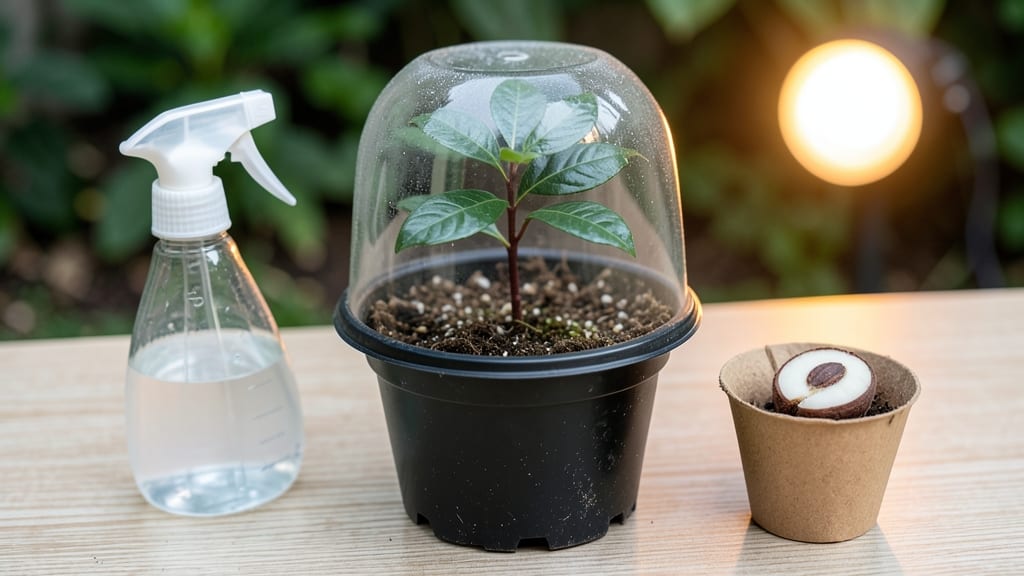
Growing cacao from seed turns your garden into a tropical chocolate factory. 🌱 The first step—cracking open a pod and watching those plump seeds sprout—feels like magic, but the real secret lies in mimicking the humid, shaded conditions of a cacao forest.
I’ve started seeds in both my greenhouse and a sunroom, and here’s exactly how to get those first green shoots without losing them to mold or rot.
You’ll need a warm spot (75-85°F), high humidity, and a mix of peat moss or coconut coir with perlite to keep roots breathing. Indoor germination works best in a propagator or sealed container with a clear lid—think of it as a mini rainforest.
Most seeds sprout in 2-4 weeks, but patience is key: some take up to 6 weeks. The moment you see that first tiny leaf, you’ll know you’re on the right track.
Once seedlings are 4-6 inches tall, they’re ready for pots with well-draining soil and partial shade. These aren’t fast growers—expect 3-5 years before your tree produces pods—but the journey is worth it.
Imagine harvesting your own cacao to ferment, roast, and grind into chocolate. The smell of ripe pods in summer? Unbeatable.
Common pitfalls include overwatering (roots rot quickly) and sudden temperature drops. If you live outside a tropical zone, plan to overwinter seedlings indoors near a bright window. With the right care, your cacao tree could outlive you—and become the centerpiece of your edible garden.
📚 In This Guide
- What you need
- Instructions
- Tips and common mistakes
- Wrapping up and next steps
What you need
- ● Cacao seeds: 5–10 fresh, plump seeds (harvested from a ripe cacao pod—bonus points if organic!)
- ● Biodegradable seed pots: 4–6 small pots (3–4 inches in diameter) with drainage holes
- ● High-quality potting mix: A well-draining blend (50% peat moss, 30% perlite, 20% coconut coir)
- ● Spray bottle: For gentle watering (avoid over-saturating seeds!)
- ● Plastic wrap or humidity dome: To maintain moisture during germination
- ● Grow lights or sunny windowsill: Cacao loves warmth (75–85°F) and bright, indirect light
- ● Fertilizer: A balanced, organic fertilizer (e.g., fish emulsion or compost tea) for seedlings
- ● Seed germination kit: Pre-moistened paper towels or a seed starter mat for faster sprouting
- ● Humidifier or pebble tray: To boost humidity in dry climates
- ● pH testing kit: Ensure soil pH stays between 5.5–6.5 (cacao is picky!)
- ● Support stakes or trellis: For young seedlings as they grow taller
- ● Journal or labels: Track seed varieties, planting dates, and growth milestones
Step-by-Step instructions for growing cacao from seed
Here's how I've successfully sprouted cacao trees from fresh pods every season—no fancy equipment needed.
🌱 Step 1: Extract and Prepare the Seeds
Start with fresh cacao pods—never dried beans. Cut open the pod lengthwise with a sharp knife, removing the white pulp and seeds inside. The seeds should be embedded in a thick, sweet mucilage. Rinse them gently under cool water to remove any remaining pulp, then place them in a clean container.
Here's the thing—cacao seeds need oxygen to germinate, so don't wash them too thoroughly. Leave a thin layer of mucilage coating the seeds; this helps retain moisture during the early stages. I like to arrange them in a single layer in a shallow dish or small container with the flat side down. This orientation encourages upright growth later.
💧 Step 2: Create the Ideal Germination Environment
Cover the container with plastic wrap or place it in a sealed plastic bag to create a humid, warm environment. Cacao seeds germinate best at temperatures between 75-85°F—a warm spot near a sunny window or on top of a refrigerator works well. I've even used a seedling heat mat set to 80°F for faster results.
Check the container daily. The seeds should stay moist but not soggy—mist lightly with water if the mucilage starts to dry out. You'll see tiny roots emerge first, followed by a small sprout within 7-14 days. This is the moment that matters: patience pays off here. Don't disturb the seeds once they're planted; even a slight shift can stunt early growth.
☀️ Step 3: Transplant Seedlings into Soil
Once the seedlings reach 2-3 inches tall with a few true leaves, it's time to plant them in individual pots. Use a well-draining potting mix—cacao trees hate soggy roots. I fill 4-inch pots with a mix of 50% peat moss, 30% perlite, and 20% coconut coir to keep moisture balanced. Make a small hole in the center of the pot and gently place the seedling in, covering the roots but leaving the top of the seed exposed.
Water lightly after transplanting, then place the pots in a location with bright, indirect light. Avoid direct sunlight at first—young cacao leaves can scorch easily. If your seedlings grow leggy (stretching toward the light), they need more brightness. A grow light positioned 6-12 inches above the plants helps bridge the gap until they're strong enough for outdoor conditions.
🌿 Step 4: Care for Young Cacao Trees
Keep the soil consistently moist but never waterlogged. Stick your finger 1 inch deep into the soil—if it feels dry, it's time to water. Cacao trees thrive in 70-85°F temperatures and high humidity. If your home is dry, mist the leaves occasionally or place a tray of water nearby to increase moisture.
Fertilize lightly every 4-6 weeks with a balanced, water-soluble fertilizer diluted to half strength. Over-fertilizing can burn young roots. As the trees grow, rotate the pots a quarter turn weekly to encourage even growth. You'll notice new leaves forming in clusters—this is a sign your cacao is thriving. Once the seedlings reach 6-12 inches tall, they're ready for larger pots or outdoor planting in a tropical or subtropical climate.
Tips & tricks for cultivating cacao from seed
Here's what I've learned the hard way about nurturing cacao from seed—these tricks will help you avoid common pitfalls and give your little trees the best start.
Seed Orientation Matters: When arranging your seeds in Step 1, pay attention to their natural shape. The flat side should face down in the container—this mimics their natural position in the pod and encourages straight upward growth. I've seen seeds grow crooked when placed incorrectly, and you don't want to deal with that later when they're bigger and harder to straighten.
Temperature Consistency: Maintaining that 75-85°F range in Step 2 is crucial, but here's the secret: create a temperature gradient if possible. Place your container on top of a refrigerator (which stays around 80°F) during the day, then move it to a slightly cooler spot at night. This mimics natural tropical conditions and can speed up germination by 2-3 days. Just don't let it drop below 70°F—cacao seeds are sensitive to cold.
Transplanting Timing: In Step 3, resist the urge to rush the transplant. Wait until you see those first true leaves (not just the initial seed leaves) and the seedlings are at least 2 inches tall. I've transplanted too early and the delicate roots get damaged. When you do transplant, handle the seedlings by their leaves, never the stems—this prevents crushing the tender growth. The 4-inch pots are perfect because they give enough room for root development without being too large.
Light Transition Strategy: When moving your seedlings to brighter light in Step 4, do it gradually. Start with 2-3 hours of indirect light per day and increase by 1 hour daily. Sudden exposure can cause leaf burn. I've used a simple LED grow light on a timer for this—it's more consistent than natural light and prevents those leggy seedlings that stretch toward any available light source. The 6-12 inch distance is ideal because it gives enough intensity without overheating the plants.
Pro Tips for Cacao Seed Grow A Garden
- Here's what I've learned the hard way about nurturing cacao from seed—these tricks will help you avoid common pitfalls and give your little trees the best start.
- Seed Orientation Matters: When arranging your seeds in Step 1, pay attention to their natural shape.
- Temperature Consistency: Maintaining that 75-85°F range in Step 2 is crucial, but here's the secret: create a temperature gradient if possible.
Frequently asked questions
Got questions about growing cacao seeds? You’re not alone!
Here are answers to the most common queries to help you navigate your cacao-growing journey with confidence.
How long does it take for cacao seeds to germinate?
Cacao seeds typically sprout in 14–30 days under ideal conditions: warm (70–85°F), moist, and shaded. Patience is key—some seeds take longer, especially if dried out or chilled. Keep soil consistently damp (not soggy) and avoid direct sunlight until sprouts appear!
Can I grow cacao from store-bought chocolate bars?
No—store-bought chocolate contains processed cacao that’s unviable for germination. You’ll need fresh, fermented cacao seeds from a pod (or high-quality organic cacao beans labeled for planting). Look for seeds with a slight fermented aroma and intact white pulp when fresh.
How often should I water cacao seedlings?
Water seedlings daily (or every other day) to keep soil evenly moist, but avoid overwatering, which causes root rot. As they mature, reduce to 2–3 times weekly, letting the top inch of soil dry slightly between waterings. Use rainwater or filtered water if possible—tap water’s chlorine can stress young plants.
Will my cacao tree produce edible cacao pods?
Homegrown cacao trees rarely produce pods in temperate climates—they thrive in tropical zones (20°N–20°S) with high humidity and year-round warmth. However, you can enjoy the leaves and flowers (edible and fragrant!) or experiment with hybrid varieties better suited for cooler regions. Patience pays off—some trees take 3–5 years to flower!
What pests should I watch for in my cacao garden?
Common pests include aphids, mealybugs, and mites, which weaken seedlings. Early signs: yellowing leaves, sticky residue, or tiny webs. Combat them with neem oil or insecticidal soap. For fungal issues (like powdery mildew), improve airflow and avoid overhead watering. Healthy soil = resilient plants!
Wrapping up and next steps
Growing cacao from seed is a rewarding journey that connects you to nature’s rich bounty—literally! 🌱 From carefully selecting your pods to nurturing saplings, every step is a chance to witness the magic of transformation.
Remember, patience and care are your best tools; soon, you’ll be harvesting your own cacao for homemade treats or even sharing with fellow plant enthusiasts.
Ready to take the next step? Start small—plant a few seeds this season and document your progress. Share your cacao garden’s growth with friends or online communities for extra motivation. Who knows? You might inspire others to grow their own tropical treasures! 🌟