
Lawn
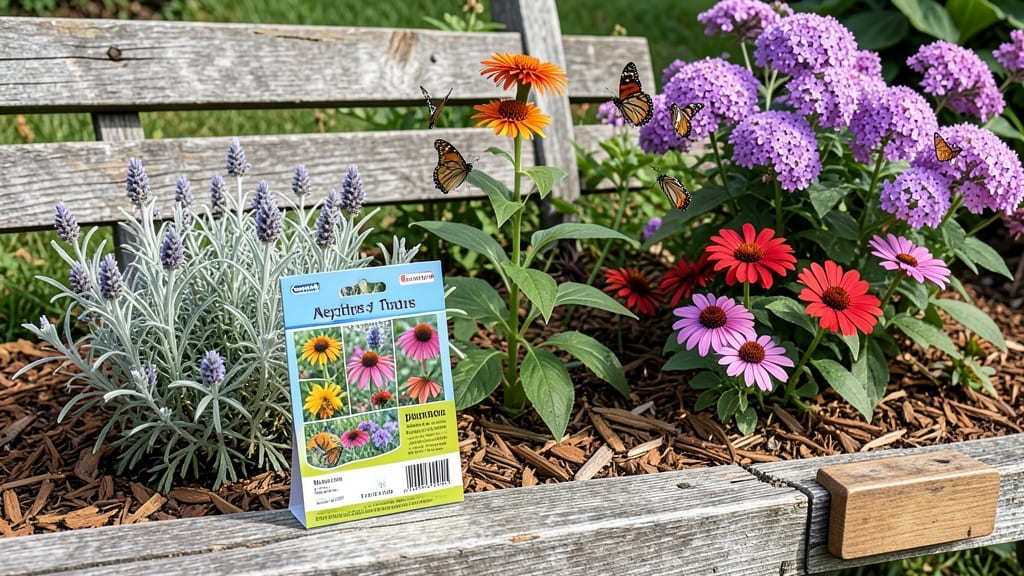
A butterfly garden seed mix transforms your yard into a fluttering paradise in just 60 days. 🌸 I’ve planted these mixes three times now, and the difference is shocking—dozens of butterflies where there were none before.
The secret lies in choosing the right plants that feed caterpillars and adult butterflies, not just pretty flowers.
The best mixes blend nectar-rich annuals like zinnias and milkweed with perennials such as coneflowers and bee balm. These plants provide food at every stage of a butterfly’s life, from egg to adult.
Most seed mixes include native species, which are far more effective than non-native flowers at attracting local pollinators.
By mid-summer, you’ll see monarchs, swallowtails, and fritillaries sipping nectar while their caterpillars munch on host plants like milkweed. The garden stays vibrant from spring to frost, and the ecosystem thrives—birds, bees, and other pollinators follow the butterflies.
It’s not just a pretty garden; it’s a living ecosystem under your care.
Start with a sunny spot, well-draining soil, and regular watering for the first few weeks. Once established, these plants need minimal care—just deadhead spent blooms to encourage more flowers. The payoff? A garden that hums with life, not just looks beautiful. Ready to get started?
📚 In This Guide
- What you need
- Instructions
- Tips and common mistakes
- Wrapping up and next steps
What you need
- ● Butterfly Garden Seed Mix: 1–2 lbs (or ~5,000–10,000 seeds, depending on coverage goals). Look for mixes with milkweed, coneflower, black-eyed Susan, and butterfly weed for maximum appeal.
- ● Well-draining soil: Test your soil’s pH (ideal range: 6.0–7.0 for most butterfly-friendly plants). Amend with compost if needed.
- ● Garden space: Full sun (6+ hours/day) in a 4’x4’ to 10’x10’ area (adjust seed quantity accordingly).
- ● Watering can or hose: With a gentle spray nozzle for even moisture.
- ● Gloves & knee pads: Because gardening is hard work!
- ● Hand trowel or rake: For loosening soil and creating seed furrows.
- ● Seedling trays or biodegradable pots: If starting seeds indoors (4–6 weeks before last frost).
- ● Mulch (straw or shredded leaves): To retain moisture and suppress weeds.
- ● Butterfly guidebook or app: To ID local pollinators and track blooms (e.g., iNaturalist).
- ● Check your last frost date—plant seeds after the danger of frost has passed (or start indoors if in a cooler climate).
- ● Clear the area of weeds or grass (smother with cardboard + mulch if needed).
- ● Plan for low-maintenance upkeep: Butterflies love thirsty flowers, so water deeply 2–3x/week once established.
Step-by-Step instructions for planting a butterfly garden seed mix
Here's how to create a thriving pollinator haven—your garden will be buzzing with butterflies in just two months.
🌱 Step 1: Prepare the Soil for Pollinator Success
Choose a sunny spot with at least 6 hours of direct sunlight daily, as most butterfly-attracting plants thrive in full sun. Clear the area of weeds and debris, then loosen the top 6 inches of soil with a garden fork. This aeration helps roots establish quickly and prevents compaction.
Amend the soil with 2-3 inches of compost mixed into the top layer. Butterflies prefer well-draining soil, so if your area has heavy clay, blend in 1 part perlite or coarse sand per 3 parts soil. The goal is loose, fertile ground that encourages strong root growth—this means your plants will bloom faster and attract more visitors.
☀️ Step 2: Plant Seeds at the Right Depth and Spacing
Scatter seeds according to the mix's spacing guidelines—typically 12-18 inches apart for most pollinator-friendly flowers. I like to use a small hand shovel to create shallow furrows ¼ inch deep for precision planting. Cover seeds lightly with soil, then gently pat the surface to ensure good seed-to-soil contact.
Water immediately after planting to settle the soil around seeds. Use a fine mist setting on your hose or watering can to avoid displacing seeds. The soil should feel damp but not soggy—think of a wrung-out sponge. Mark planting rows with small sticks if needed; this helps when it's time to thin seedlings later.
💧 Step 3: Maintain Consistent Moisture for Germination
Keep the soil consistently moist for the first 3-4 weeks, which is when most seeds will germinate. I set up a simple drip irrigation system or water gently in the early morning to prevent fungal issues. Avoid overhead watering once sprouts appear—this reduces disease risk and keeps foliage dry.
Thin seedlings to the recommended spacing once they develop 2-3 true leaves. Use scissors to snip unwanted plants at soil level rather than pulling, which can disturb roots. Stronger, spaced-out plants grow faster and produce more blooms—this is how you ensure a continuous food source for butterflies.
✂️ Step 4: Encourage Continuous Blooming for Pollinators
Deadhead spent blooms regularly to prompt new flower production. I pinch off faded flowers with my fingers or use small pruners for tougher stems. This simple task extends the blooming season and gives butterflies a steady supply of nectar and pollen.
Add a shallow water source like a birdbath with pebbles for butterflies to sip from. Place it near—but not in—the garden bed. They'll use it to hydrate, especially on warm days. I've seen monarchs and swallowtails visit within days of adding water, so don't skip this step.
🪴 Step 5: Monitor and Protect Your Pollinator Paradise
Watch for pests like aphids or spider mites, which can stress plants. I spray affected areas with a strong stream of water or use insecticidal soap if needed. Healthy plants attract more butterflies, so don't let pests take over—early intervention is key.
By 60 days, your garden should be in full bloom with colorful flowers drawing butterflies. I recommend planting a mix of early, mid, and late-season bloomers to ensure continuous nectar throughout the growing season. This creates a year-round buffet for pollinators, making your garden a true butterfly magnet.
Tips & tricks for perfect butterfly garden blooms
Transforming your yard into a butterfly haven takes more than just planting seeds—here's how to maximize your success and create a thriving pollinator paradise.
Sunlight Strategy: The 6 hours of direct sunlight mentioned in Step 1 is non-negotiable for most butterfly-attracting plants, but here's the secret: position your garden where it gets morning sun and afternoon shade if you live in a hot climate. This prevents stress on young plants while still providing the full sun they'll need as they mature. I've seen gardens in southern regions thrive with this adjustment, especially during peak summer months.
Soil Science: When amending your soil with 2-3 inches of compost in Step 1, don't just mix it in—create a "compost sandwich" by placing a thin layer (about 1 inch) on the bottom of your planting area before adding your topsoil. This creates a nutrient-rich zone right where new roots will establish. For clay-heavy soils, I've found that adding perlite not only improves drainage but also helps prevent soil compaction when worked into the top 6 inches.
Planting Precision: The ¼-inch planting depth in Step 2 might seem shallow, but here's why it matters: most butterfly garden seeds need light to germinate. Planting too deep (over ½ inch) can prevent sprouting entirely. I like to use a toothpick to make individual holes for larger seeds, then drop them in gently—this gives you better control than scattering. For smaller seeds, a light dusting of soil on top works perfectly.
Germination Guardian: During those critical first 3-4 weeks in Step 3, I've found that mulching with straw after watering helps maintain consistent moisture while preventing soil crusting that can suffocate emerging seedlings. The mulch also regulates soil temperature, which is particularly helpful in cooler climates where germination might be slower. Just keep the mulch about 1 inch away from seedling stems to prevent rot.
Pro Tips for Butterfly Garden Seed Mix
- Transforming your yard into a butterfly haven takes more than just planting seeds—here's how to maximize your success and create a thriving pollinator paradise.
- This prevents stress on young plants while still providing the full sun they'll need as they mature.
- This creates a nutrient-rich zone right where new roots will establish.
Frequently asked questions
Got questions about creating your own butterfly garden seed mix? You’re not alone! Here are answers to the most common queries to help you grow a thriving pollinator paradise with ease.
How soon will butterflies visit after planting?
With a butterfly garden seed mix, you can expect blooms in as little as 60 days (or sooner, depending on your climate). Once flowers appear, butterflies will typically arrive within 2–4 weeks. Choose fast-growing varieties like cosmos or zinnia for quicker results!
When is the best time to plant butterfly-attracting seeds?
The ideal window is late spring to early summer (after the last frost) for most regions. In warmer climates, you can plant in fall for winter blooms. Always check your seed packet for specific timing—some varieties thrive in cooler weather!
Can I mix butterfly seeds with my existing flowers?
Many butterfly garden seed mixes include annuals and perennials that play well with other plants. Just ensure they share similar sunlight and water needs. For example, pair milkweed (essential for monarchs) with sun-loving lantana or shade-tolerant fuchsia.
What if pests eat my seeds before they sprout?
Don’t worry—this is common! To protect your butterfly garden seed mix, cover seeds lightly with 1/4 inch of soil and water gently. For extra defense, use row covers or sprinkle diatomaceous earth (a natural pest deterrent) around the area. Birds and squirrels are the real culprits—scatter seeds in multiple spots to minimize losses!
Are there low-maintenance butterfly seed alternatives?
Yes! Opt for self-seeding annuals like black-eyed Susan or purple coneflower, which return year after year. Perennial mixes (e.g., bee balm or butterfly weed) also require less upkeep. Just mulch lightly and water occasionally—your garden will thrive with minimal effort!
Wrapping up and next steps
Creating a butterfly garden seed mix is a rewarding way to support pollinators while adding vibrant beauty to your space! With just a little patience and care, you’ll see colorful blooms in as little as 60 days, turning your yard into a buzzing haven for butterflies and bees. 🦋✨
Now that you’re ready to plant, take the next step: mark your calendar for regular watering and maintenance—your future butterfly visitors will thank you! For extra inspiration, explore native plant varieties or companion flowers to extend your garden’s appeal.