
Planting
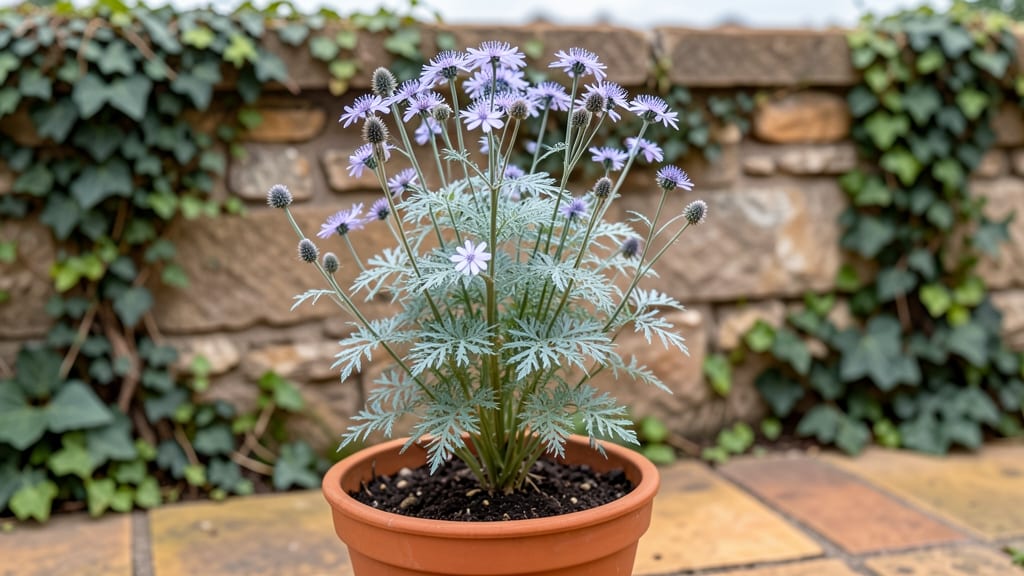
Growing black cumin from seed unlocks fast germination and a plant that thrives where others fail. 🌱 I’ve planted these tiny seeds for years, and the key to success lies in mimicking their native dry conditions—don’t overwater, and you’ll see those first delicate shoots within 7-14 days.
The secret? A light touch with soil moisture and patience that pays off with lacy foliage and star-shaped blooms by midsummer.
You’ll need well-draining soil (sandy loam works best), a sunny spot with at least 6 hours of direct light daily, and seeds planted just ¼ inch deep. Black cumin tolerates poor soil better than most herbs, but it despises soggy roots—think Mediterranean drought, not tropical humidity.
A pinch of compost at planting time gives it a gentle boost without smothering its natural resilience.
By late spring, you’ll have a hardy plant that repels pests naturally (aphids stay away) and self-seeds like crazy—meaning next year’s garden practically plants itself. The seeds themselves are a powerhouse: sprinkle them on salads for a peppery kick or steep them for tea.
Even the dried seed pods add whimsical texture to floral arrangements.
Troubleshooting? Slow germination? Try soaking seeds overnight first. Yellowing leaves? You’re overwatering—black cumin’s drought-loving roots will tell you when they’ve had enough. Once established, this plant needs almost no care, making it perfect for busy gardeners or neglected corners of the yard.
📚 In This Guide
- What you need
- Instructions
- Tips and common mistakes
- Wrapping up and next steps
What you need
- ● Black cumin seeds: 1–2 packets (50–100 seeds per packet). Choose organic, untreated seeds for best results.
- ● Well-draining potting mix: 1–2 bags (10–20 liters). Opt for a blend with perlite or sand (30–40% mix) to prevent waterlogging.
- ● Containers or garden bed: For seedlings: 3–6 small pots (3–4 inches deep) or biodegradable seedling trays.
- ● For transplanting: Larger pots (6+ inches) or a sunny garden bed with 6+ inches of loose soil.
- ● Watering can or spray bottle: With a fine mist nozzle for gentle hydration.
- ○ Grow lights (optional but helpful): 1–2 LED grow lights (12–15 watts) if starting indoors without sunlight.
- ● Trowel or small shovel: For transplanting seedlings.
- ○ Glove (optional): To protect hands from seed residue.
- ● Fertilizer (mild & organic): 1 packet of fish emulsion or compost tea (diluted to half-strength).
- ○ Mulch (optional): Straw or shredded leaves to retain moisture.
Step-by-step instructions for germinating black cumin seeds
Here's how I guarantee strong, rapid germination—no waiting weeks for stubborn sprouts.
🌱 Step 1: Pre-Soak Seeds for Optimal Germination
Black cumin seeds have a tough outer shell that slows germination. Place them in a small bowl and cover with lukewarm water for 12 hours—this softens the seed coat and triggers faster sprouting. I use a mesh strainer to keep them contained while soaking.
After soaking, drain the water and let the seeds sit in a damp paper towel for another 6 hours. This keeps them hydrated without drowning them. You'll see the seeds plump up slightly—this is your first sign they're ready to plant.
💧 Step 2: Prepare Containers and Moisture-Retentive Medium
Use 4-inch diameter pots filled with a lightweight seed-starting mix (never garden soil—it's too dense). Fill each pot to within ½ inch of the rim and press down gently to remove air pockets. Black cumin thrives in well-draining but moisture-retentive soil.
Water the mix until it's evenly damp but not soggy. I test by squeezing a handful—it should hold its shape but not drip water. This prevents both drowning and drying out, both of which kill germination.
☀️ Step 3: Plant Seeds at the Right Depth and Temperature
Plant 2-3 seeds per pot at a depth of ¼ inch—any deeper and they'll struggle to break through. Space them evenly in the pot. Cover lightly with a thin layer of additional mix, then mist gently with a spray bottle to settle everything.
Place the pots in a warm, dark location (around 75-80°F). I use a seedling heat mat to maintain consistent warmth—black cumin seeds germinate fastest in these conditions. Expect sprouts in 3-7 days—patience here is key.
🌿 Step 4: Provide Light and Monitor for First True Leaves
Once sprouts emerge, move the pots to bright, indirect light immediately. After 7-10 days, when the first true leaves (not the initial seed leaves) appear, introduce 4-6 hours of direct sunlight daily. This prevents leggy growth.
Water only when the top inch of soil feels dry—overwatering is the fastest way to kill young seedlings. You'll see strong, dark green leaves developing within 2 weeks if everything is right.
⏰ Step 5: Thin and Harden Off for Transplanting
When seedlings reach 2 inches tall, thin to the strongest plant per pot by snipping the others at the base. This reduces competition for nutrients. Black cumin seedlings are delicate—handle them carefully to avoid damaging the stems.
Start hardening off 2 weeks before your last frost by placing the pots outside in partial shade for 1-2 hours daily. Gradually increase exposure to sun and wind over 7-10 days. Transplant after 4-6 weeks when soil is at least 60°F and nighttime temps stay above 50°F.
Tips & tricks for perfect black cumin seed germination
Real talk: The difference between waiting weeks for stubborn sprouts and seeing those first green shoots in days comes down to these small but critical details.
Soaking Strategy: The 12-hour lukewarm water soak is non-negotiable for breaking black cumin's tough seed coat. I've found that using a mesh strainer prevents seeds from sinking to the bottom, ensuring even hydration. After draining, pat them dry thoroughly before the damp paper towel stage—excess moisture here can trigger mold. For faster results, you can optionally soak for 24 hours (clearly marked as optional), but don't exceed this or you risk seed damage.
Temperature Matters: Maintaining that 75-80°F range during germination is crucial. If your home runs cooler, place pots on a seedling heat mat set to 80°F. I've seen germination times double when seeds sit in cooler conditions (60°F or below). The damp paper towel phase should also stay within this range—too cold slows metabolic activity, too hot can cause seeds to rot before sprouting.
Light Transition: That 7-10 day window before introducing direct sunlight is where most beginners go wrong. The initial bright indirect light should come from a south-facing window or grow lights placed 6-12 inches above the pots. After true leaves appear, gradually increase sunlight exposure—start with 2 hours of direct sun, then add 1 hour daily up to the full 4-6 hours. This hardens the seedlings naturally without shock.
Container Selection: While 4-inch pots work perfectly, you can also use biodegradable peat pots that dissolve when transplanted. The key is drainage—ensure each container has holes in the bottom. For larger batches, consider using a seedling tray with individual cells. Just remember to maintain that ½-inch soil depth recommendation regardless of container size.
Pro Tips for Black Cumin Seed Plant
- Real talk: The difference between waiting weeks for stubborn sprouts and seeing those first green shoots in days comes down to these small but critical details.
- Soaking Strategy: The 12-hour lukewarm water soak is non-negotiable for breaking black cumin's tough seed coat.
- Temperature Matters: Maintaining that 75-80°F range during germination is crucial.
Frequently asked questions
about growing a black cumin seed (Nigella sativa) plant—here’s what you need to know!How long does it take for black cumin seeds to germinate?
Black cumin seeds typically germinate within 7–14 days under ideal conditions (warmth, moisture, and indirect light). For faster results, soak seeds in warm water for 4–6 hours before planting. Patience is key—some seeds may take up to 3 weeks!
Can black cumin seeds survive frost?
Black cumin is annual and frost-sensitive. Young seedlings can’t handle frost, so wait until soil temps reach 50°F (10°C) before planting outdoors. If frost threatens, cover plants with frost cloth or grow them indoors until warmer weather arrives.
What’s the best soil mix for black cumin?
Black cumin thrives in well-draining, slightly alkaline soil (pH 6.0–7.5). Mix equal parts garden soil, compost, and coarse sand for optimal growth. Avoid heavy clay—it can suffocate roots and cause rot.
Can I grow black cumin indoors?
Yes! Use a sunny windowsill or grow light for 6–8 hours daily. Plant seeds in a small pot (6+ inches deep) with drainage holes. Keep soil moist but not soggy—indoor black cumin may grow slower but still produce seeds.
What do I do if my black cumin seeds rot?
Overwatering or poor drainage causes rot. Troubleshoot:
- Ensure pots have drainage holes.
- Water only when the top inch of soil is dry.
- Use a 50/50 mix of soil and perlite for better aeration.
- If rot occurs, repot healthy seedlings in fresh, dry soil.
Pro Tip:
For faster germination, try the paper towel method:
- Moisten a paper towel and place seeds inside.
- Fold and seal in a plastic bag.
- Store in a warm spot (70°F/21°C) for 2–3 days.
- Plant once sprouts appear!
Wrapping up and next steps
Growing a black cumin seed plant is a rewarding journey that yields a potent, health-boosting harvest—especially when you unlock its germination secrets! With the right soil, timing, and care, you’ll enjoy a fast, resilient plant that thrives even in less-than-ideal conditions. 🌱✨
Ready to take the next step? Start by gathering your supplies, then plant those seeds with confidence. Keep experimenting, and soon you’ll be reaping the benefits of this ancient superseed—whether for culinary, medicinal, or ornamental use. Happy growing! 🌿💚