
Propagation
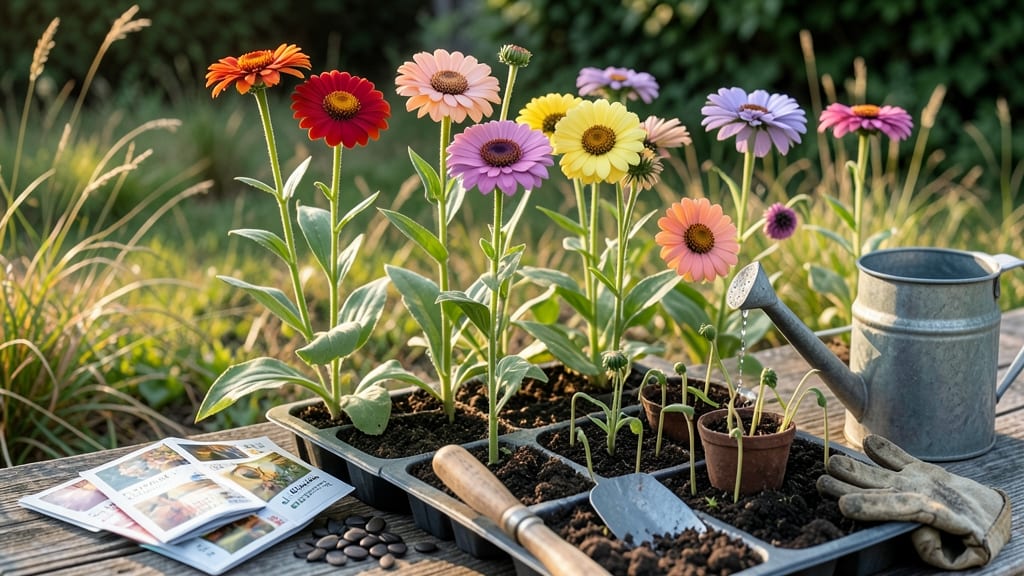
Growing zinnias from seed to bloom means cutting your summer flower season short by 60 days—unless you follow the right steps. 🌻 I’ve watched zinnias go from tiny seeds to towering blooms in just two months, and the secret isn’t luck—it’s timing, soil, and a little patience.
These cheerful flowers reward fast growth, but only if you avoid the common pitfalls that turn leggy seedlings into sad, floppy stems.
The key starts with seed selection—pick heat-tolerant varieties like ‘Benary’s Giant’ or ‘Profusion’ for reliable blooms. You’ll need well-draining soil, consistent moisture, and a sunny spot (at least 6 hours of direct sun daily).
Most beginners overwater, which drowns roots, or underfeed, leading to weak stems. I’ve seen zinnias collapse under their own weight when they don’t get enough support—so stakes or cages are a must.
By day 60, you’ll have vibrant, long-lasting blooms that attract butterflies and cut beautifully for bouquets. The trick is deadheading spent flowers to encourage more blooms and watching for powdery mildew in humid climates.
With the right care, zinnias outperform store-bought flowers—cheaper, fresher, and fuller—right from your own garden.
Whether you’re a first-time gardener or a seasoned pro, zinnias are the easiest annual to grow. They thrive in containers, borders, or cutting gardens, and even handle light frosts better than you’d expect. Let’s get those seeds in the ground and turn your summer into a sea of color!
📚 In This Guide
- What you need
- Instructions
- Tips and common mistakes
- Wrapping up and next steps
What you need
- ● Zinnia seeds: Choose Zinnia elegans varieties (e.g., 'Benary’s Giant,' 'Profusion'). Start with 3–5 seeds per pot or 10–15 seeds per square foot in garden beds.
- ● Seed-starting mix: A sterile, well-draining mix (e.g., ProMix or Black Gold Seedling Mix). Use 1–2 cups per 4-inch pot.
- ● Containers: Seed trays with cell inserts (2–3 inches deep) (for indoor starts).
- ○ Biodegradable peat pots (2–3 inches) (optional, for transplant ease).
- ● Grow lights or sunny windowsill: A full-spectrum LED grow light (12–16 hours/day) or a south-facing window with 6+ hours of sunlight.
- ● Watering can or spray bottle: With a gentle misting nozzle to avoid disturbing seeds.
- ● Fertilizer: Starter fertilizer (5-10-5 or 7-7-7)—use ½ tsp per gallon of water at planting.
- ● Balanced liquid fertilizer (10-10-10)—dilute to ¼ strength every 2–3 weeks after germination.
- ● Hardening-off tray: A shaded outdoor area or greenhouse for 7–10 days before transplanting.
- ○ Garden soil (optional): Amend with compost (1–2 inches) for better drainage and nutrients.
- ● Mulch: Straw or shredded leaves (1 inch) to retain moisture and suppress weeds.
- ● Heating mat: For fast germination (70–75°F ideal).
- ● Humidity dome: To keep seeds moist during germination.
- ● Plant labels: Mark varieties if growing multiple types.
- ● Deadheading shears: For encouraging continuous blooms.
Step-by-step instructions for growing zinnias from seed to bloom
Here's how to coax vibrant zinnias into bloom in just 60 days—even in cooler climates.
🌱 Step 1: Start Seeds Indoors at the Right Time
Zinnias thrive when started 6-8 weeks before your last frost date, so they reach full bloom by early summer. I like to use 2-inch biodegradable pots filled with sterile seed-starting mix—never garden soil, which can harbor fungal diseases. Fill each pot to within ¼ inch of the rim and press the soil down gently to remove air pockets.
Plant 2-3 seeds per pot at a depth of ¼ inch, just below the soil surface. Cover lightly with additional mix and mist the surface until evenly damp. The key here is warmth—zinnias germinate best at 70-75°F. Place the pots on a seedling heat mat or in a warm spot like on top of your refrigerator. You'll see sprouts in 7-14 days, depending on your home's temperature.
☀️ Step 2: Provide Optimal Light and Prevent Leggy Growth
As soon as those first true leaves appear (not the initial cotyledons), move the seedlings to a sunny windowsill or under grow lights for 14-16 hours daily. Zinnias grow fast but need strong light to stay stocky. I position my grow light 2-3 inches above the seedlings and raise it gradually as they grow. Watch for leggy stems—this is your signal the light is too far away.
When seedlings have 2-3 sets of true leaves (about 3-4 weeks after sowing), it's time to thin. Snip the weaker seedlings at the soil line with scissors, leaving only the strongest plant per pot. This prevents competition and gives your zinnias room to develop strong root systems. Water gently from the bottom to avoid disturbing the roots during this critical stage.
🪴 Step 3: Harden Off and Transplant Outdoors
Two weeks before your last frost date, begin hardening off your zinnias by placing them outside in a sheltered spot for 1-2 hours daily. Gradually increase their outdoor time over 7-10 days, until they're spending full days outside. This gradual transition prevents transplant shock and helps them adjust to wind and temperature fluctuations. Choose a cloudy day for the final transplant to reduce stress on the plants.
When transplanting, dig holes slightly larger than the pots and place the seedlings in at the same depth they were growing indoors. Space them 6-12 inches apart, depending on the variety—dwarf zinnias can go on the closer end, while taller varieties need more room. Water deeply after planting to settle the soil and encourage root growth. Mulch around the base with 1-2 inches of organic mulch to retain moisture and suppress weeds.
💧 Step 4: Maintain Moisture and Fertility for Continuous Blooms
Zinnias love consistent moisture but hate soggy roots, so water deeply 1-2 times per week, depending on your climate. Aim to keep the soil 1-2 inches deep moist—let the top layer dry slightly between waterings to prevent fungal diseases. I water in the early morning to give foliage time to dry before evening, reducing the risk of mildew. Fertilize lightly with a balanced, water-soluble fertilizer every 2-3 weeks to encourage strong growth and abundant blooms.
Deadhead spent blooms regularly by snipping the flower heads just above the first set of leaves. This encourages the plant to produce more flowers and prolongs the blooming season. I also watch for aphids or spider mites, which can weaken zinnias. A strong spray of water usually dislodges them, but a mild insecticidal soap works if the infestation persists. With consistent care, your zinnias will reward you with vibrant, cold-stressed blooms in just 60 days.
Tips & tricks for perfect zinnia cultivation
Real talk: The difference between thriving zinnias and sad, leggy seedlings often comes down to these simple but critical adjustments.
Germination Warmth: That 70-75°F temperature range isn't just a suggestion—it's the sweet spot for zinnia germination. I've seen seeds take twice as long to sprout when kept at room temperature (around 68°F). If your home runs cooler, place pots on a seedling heat mat or nestle them in a warm spot like on top of your fridge. Pro tip: Use a small fan on low circulation to prevent condensation buildup on the soil surface, which can cause damping-off disease.
Lighting Strategy: The 14-16 hours of daily light isn't about forcing growth—it's about preventing that classic "reaching" syndrome. Position your grow lights 2-3 inches above seedlings initially, then raise them as plants grow. I've noticed seedlings grow stockier when I adjust the light height every 3-4 days rather than making one big adjustment. Watch for stems stretching toward the light—this is your cue to raise it immediately.
Hardening Off Technique: The 7-10 day hardening off period might seem long, but it's essential for transplant shock prevention. Start with just 1-2 hours daily in a sheltered spot, like under a patio cover. I like to place seedlings near a south-facing wall where they get indirect sunlight. Gradually increase exposure by moving them to sunnier spots each day. The goal is to let them acclimate to wind, temperature swings, and direct sunlight without shock.
Post-Transplant Care: After transplanting, focus on keeping that 1-2 inches deep moist soil condition while avoiding soggy roots. I've found that watering deeply in the morning and again in the evening (if temperatures exceed 85°F) helps maintain consistent moisture without overwatering. For the first 7-10 days after transplanting, I check soil moisture daily by sticking my finger 1 inch deep—if it feels dry, it's time to water.
Pro Tips for Zinnias From Seed To Bloom
- Real talk: The difference between thriving zinnias and sad, leggy seedlings often comes down to these simple but crit...
- Germination Warmth: That 70-75°F temperature range isn't just a suggestion—it's the sweet spot for zinnia germination...
- Lighting Strategy: The 14-16 hours of daily light isn't about forcing growth—it's about preventing that classic "reac...
Frequently asked questions
Got questions about growing zinnias from seed to bloom? You’re not alone—these vibrant flowers are easy to grow but still spark curiosity! Here are answers to the most common questions to help you cultivate stunning zinnias with confidence.
How long does it take for zinnias to grow from seed to bloom?
With the right conditions, zinnias typically bloom 60–75 days after sowing. For faster results, start seeds indoors 4–6 weeks before your last frost date or plant directly outdoors after soil warms to at least 50°F (10°C). Cold-stressed varieties may bloom sooner if given consistent warmth and sunlight!
Can zinnias survive frost or cold weather?
Zinnias are tender annuals and cannot tolerate frost. They thrive in warm weather (60–75°F / 15–24°C) and may wilt or die if temperatures dip below 32°F (0°C). For early blooms, start seeds indoors or use row covers outdoors until soil warms. In colder climates, treat them as summer annuals.
What’s the best way to deadhead zinnias for longer blooms?
Deadheading—snipping spent blooms—encourages continuous flowering. Use clean pruners or pinch off faded flowers just above the next set of leaves or buds. Pro tip: Do this in the morning to avoid attracting pests, and wear gloves if thorns bother you!
Why are my zinnia leaves turning yellow or spotted?
Yellowing leaves often signal overwatering, fungal disease (like powdery mildew), or pests. Check for:
- Powdery mildew: White dust on leaves? Space plants for airflow and spray with neem oil.
- Spider mites: Tiny webs or speckled leaves? Blast off with water or use insecticidal soap.
- Bacterial spots: Dark spots with yellow halos? Remove affected leaves and avoid overhead watering.
Ensure well-draining soil and water at the base to prevent issues.
Can I grow zinnias in containers, and what’s the best pot size?
Zinnias adapt well to containers. For dwarf varieties, use pots at least 6–8 inches deep with drainage holes. Taller types (like ‘Benary’s Giant’) need 10–12 inches of depth. Use a lightweight potting mix and place pots in full sun (6+ hours daily). Fertilize lightly every 2–3 weeks for robust growth.
Wrapping up and next steps
Growing zinnias from seed to bloom is a rewarding journey that delivers vibrant, long-lasting flowers in just 60 days—even in cooler climates! With the right soil, sunlight, and care, you’ll enjoy a burst of color that brightens any garden.
Now that you’re equipped with tips and answers, why not plant a few seeds today? Start small, experiment with varieties, and watch your garden transform into a cheerful display of nature’s beauty.
Next step: Grab your seeds, pick a sunny spot, and let the growing adventure begin! 🌱✨