
Lawn
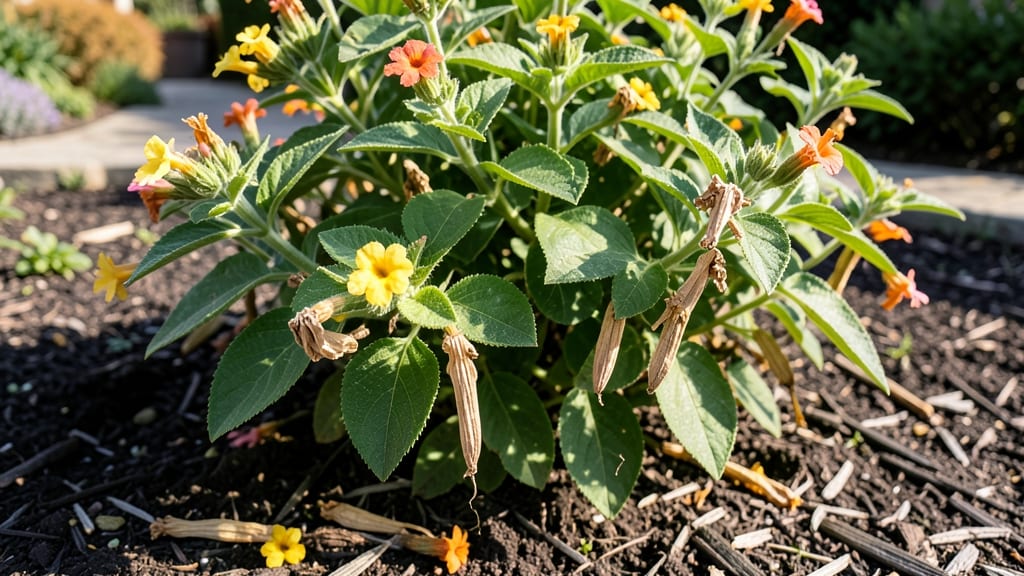
Lantana seed pods are nature’s twisted woodland puzzles—those dry, papery capsules that split open to reveal tiny black seeds. 🌿 They start as green, pea-sized berries but shrivel into wrinkled, brown husks about ½-inch long, looking like tiny dried cornucopias.
The texture is surprisingly tough, almost like thin bark, and they cling to stems until winter winds finally crack them open.
What sets them apart is their spiral twist when dry—unlike smooth seed pods, these look like wooden corkscrews that unfurl when mature. Beginners often mistake them for spent flowers, but these pods are the plant’s secret weapon for spreading.
Each one holds 50-100 seeds, waiting for the right moment to scatter. If you’ve ever seen lantana pop up where it wasn’t planted, blame these sneaky little capsules.
To harvest seeds, wait until pods turn light brown and crisp—then gently squeeze to release the seeds inside. Store them in a cool, dry place until spring, or let nature handle it by leaving them on the plant.
The seeds stay viable for years, making lantana one of the easiest plants to propagate. Just don’t plant them near water sources—this aggressive spreader will take over if given half a chance.
If you’re comparing them to other seed pods, think of lantana’s as the wild, woody cousins of milkweed’s fluffy parachutes or okra’s spiky husks. Their rough texture and twisted shape make them unmistakable once you know what to look for.
Keep an eye out—these little time bombs are how lantana turns a single plant into a whole garden overnight.
📚 In This Guide
- What you need
- Instructions
- Tips and common mistakes
- Wrapping up and next steps
What you need
- ● Lantana plant(s): Mature lantana bushes with visible seed pods (look for dry, woody capsules in late summer/fall).
- ● Pruning shears or small scissors: Sharp, clean tools for harvesting pods without damaging the plant.
- ○ Gloves (optional but recommended): Thin gardening gloves to protect hands from potential skin irritation or thorns.
- ● Paper bags or breathable containers: 2–3 paper bags (to allow airflow) or mesh bags for collecting pods.
- ● Magnifying glass (5x–10x): For close-up inspection of seed pod textures and structures.
- ● Notebook & pencil: To sketch or note observations (e.g., pod shape, color, seed count).
- ○ Camera (optional): A smartphone or digital camera with macro mode for capturing details.
- ● Check local regulations: Ensure lantana isn’t invasive in your area (some regions ban its removal).
- ● Work outdoors: A shaded area or table to avoid direct sunlight while handling pods.
- ● Ventilation: Open windows or use a fan if indoors to prevent inhaling fine seed dust.
- ● Disposal plan: If not studying seeds, have a sealed trash bag ready—lantana seeds can spread easily!
How to identify lantana seed pods in the wild
These distinctive capsules hold the key to lantana propagation—once you know what to look for.
🌿 Step 1: Spot the Dried Flower Clusters
Lantana seed pods begin as clusters of tiny, tubular flowers that bloom in vibrant colors—yellow, orange, or pink. As the flowers fade and dry, they form tight, spherical clusters about 1 inch in diameter. These clusters look like miniature dried-up pom-poms attached to the woody stems.
Run your fingers gently over the dried flower heads—they'll feel papery and slightly rough, unlike the smooth green leaves. The clusters stay attached to the plant throughout winter, even after the leaves have fallen, making them easy to spot in late autumn or early spring.
🪴 Step 2: Examine the Twisted Woodland Capsules
When fully mature, the dried flower clusters split open to reveal the seed pods themselves. These aren't round—they're elongated, twisted capsules about ½ to ¾ inch long, resembling tiny wooden scrolls or corkscrews. Each capsule has a slight spiral twist and a rough, bark-like texture.
Hold one up to the light—you'll see faint ridges running along its length, giving it a segmented appearance. The capsules are hollow inside, containing 10-20 tiny, flat seeds that rattle when shaken. These seeds are the key to growing new lantana plants.
✂️ Step 3: Harvest at the Right Stage
The best time to collect lantana seed pods is when they're fully brown and beginning to split open naturally. Press lightly on a capsule—if it releases a cloud of fine dust (the seeds), it's ready for harvesting. Collect pods in a paper bag to prevent moisture buildup, which can cause mold.
Don't harvest pods that are still green or only partially dried. Premature pods won't contain viable seeds, and forcing them to open too early reduces germination rates. Store collected pods in a cool, dry place until you're ready to extract the seeds for planting.
💧 Step 4: Extract Seeds for Planting
To remove seeds, gently twist open a dried capsule over a clean surface. The seeds will spill out as a fine, papery dust. Use a small brush or your finger to collect the seeds—each one is only about 1/16 inch long and flat like a tiny leaf.
Sow seeds immediately or store them in an airtight container with a desiccant packet. Lantana seeds lose viability quickly, so planting fresh seeds yields the best germination rates. For best results, scatter seeds on the soil surface rather than burying them—they need light to germinate.
🌱 Step 5: Verify Seed Viability
Fresh lantana seeds should be light brown with a slightly shiny surface. Discard any seeds that appear dark, shriveled, or discolored. For a quick viability test, place a few seeds in a glass of water—viable seeds will sink while non-viable ones float.
If you're unsure whether your seeds are ready, plant a small batch first. Germination typically occurs within 10-21 days when kept in warm, moist conditions. Watch for the first tiny green leaves to emerge—this confirms your seeds are good to grow.
Tips & tricks for identifying lantana seed pods like a Pro
Real talk: These twisted woodland capsules are easier to spot when you know exactly what to look for—and what to avoid. Here's what nobody tells you about finding them in the wild.
Texture is Your First Clue: The dried flower clusters in Step 1 should feel papery and slightly rough, almost like crumpled tissue paper. If they feel smooth or waxy, they're not ready—keep an eye out for the next batch. I learned this the hard way after trying to harvest premature pods that crumbled apart when I touched them. The 1-inch diameter clusters are your target, but don't judge by size alone; focus on that distinctive texture that sets them apart from fresh leaves.
The Twist Test in Step 2: Here's what I do when I'm unsure about a capsule: Hold it up to natural light and look for that signature spiral twist. The ridges running along the length should be visible even to the naked eye—if you need a magnifying glass, it's probably not mature enough. I've found that the ½ to ¾ inch capsules with the most pronounced twists contain the most seeds. Pro tip: Tap two capsules together—if you hear a faint rattling sound, that's your confirmation they're ready for harvesting.
Seasonal Timing Secret: Late autumn and early spring are your prime windows for finding these pods, but don't overlook winter. The clusters stay attached to the plant even after leaves fall, making them surprisingly visible against bare branches. I've spotted the best specimens in December when the vibrant summer flowers have long since faded. The key is patience—wait until the capsules are fully brown and beginning to split naturally. Harvesting too early means empty pods, and harvesting too late means seeds have already scattered.
Storage Wisdom: Once you've collected your pods, store them in a cool, dry place away from direct sunlight. I use small paper bags with a few holes punched in the sides for airflow—this prevents moisture buildup that can cause mold. The seeds inside lose viability quickly, so don't keep them longer than necessary. For best results, extract and plant within a week of harvesting. If you must store longer, place a desiccant packet in the container to absorb any moisture that might develop.
Pro Tips for What Do Lantana Seed Pods Look Like
- Real talk: These twisted woodland capsules are easier to spot when you know exactly what to look for—and what to avoid.
- Texture is Your First Clue: The dried flower clusters in Step 1 should feel papery and slightly rough, almost like crumpled tissue paper.
- The Twist Test in Step 2: Here's what I do when I'm unsure about a capsule: Hold it up to natural light and look for that signature spiral twist.
Frequently asked questions
Got questions about lantana seed pods? You’re not alone!
Here are some of the most common queries—plus quick answers to help you identify, manage, or even work with these unique woodland capsules.
What do lantana seed pods look like when they’re still on the plant?
When fresh, lantana seed pods appear as green, woody capsules about ½ to 1 inch long, shaped like tiny, twisted sausages or spirals. As they mature, they turn brown or tan and develop a leathery, papery texture. Inside, you’ll find tiny, flat seeds that look like tiny brown discs.
How do I tell if a lantana seed pod is ready to open and release seeds?
Watch for these signs: the pod will darken to a dull brown and split open along one side (like a tiny door). Once open, it releases hundreds of seeds that can spread via wind, water, or wildlife. Remove pods before they split to prevent invasive spread!
Are lantana seed pods dangerous to touch or handle?
Not inherently, but exercise caution—some lantana varieties contain mildly toxic compounds (like lanthanane) that can irritate skin or cause stomach upset if ingested. Wear gloves when handling large quantities, and avoid crushing pods, which may release irritating dust.
Can I use lantana seed pods for anything besides spreading weeds?
While lantana is often invasive, its dried pods make unique crafts, like:
- Nature journals (glued into scrapbooks for texture)
- Wind chimes (strung together for a rustic touch)
- Herbal remedies (some cultures use crushed pods for anti-inflammatory teas—research safety first!)
How do I remove lantana plants and their seed pods completely?
Lantana is tough—use this 3-step method:
- Cut stems at the base (wear gloves!), then bag the pods to prevent seed spread.
- Apply vinegar or glyphosate to the stump to kill roots (follow label instructions).
- Monitor regrowth for 6+ months—lantana often sprouts from roots!
Wrapping up and next steps
Now that you’ve mastered identifying lantana seed pods—those twisted, woody capsules packed with tiny, papery seeds—you’re well-equipped to spot them in your yard or garden. 🌿 Whether you’re managing an invasive species or simply admiring nature’s quirks, recognizing these pods helps you stay informed and proactive.
Ready to take the next step? Share your findings with local gardening groups or explore how to safely remove lantana if needed. Your new knowledge is a great start—keep exploring the fascinating world of plants!