
Flowers
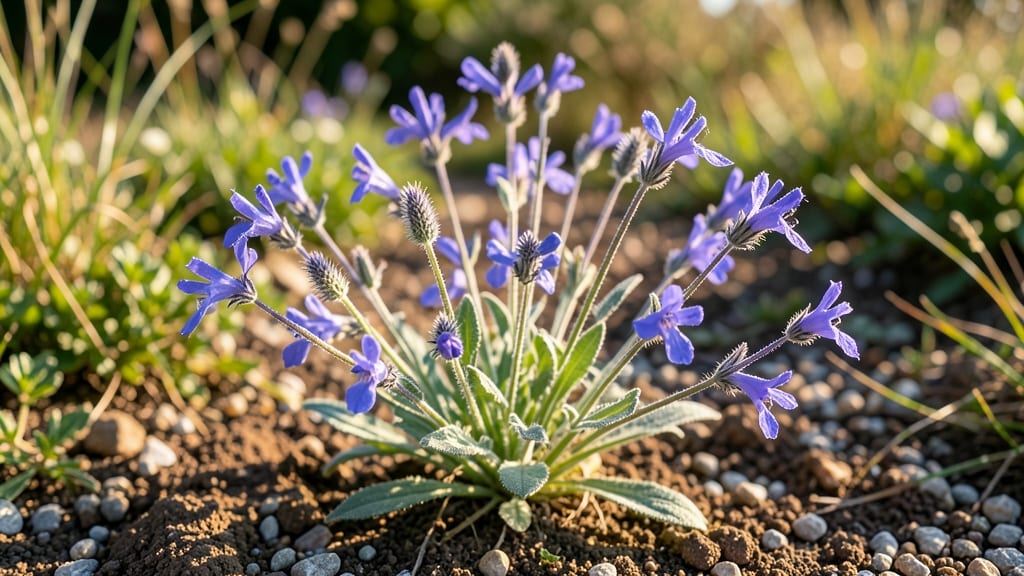
Growing Virginia stickseed (Lactuca virginica) means watching nature do the heavy lifting—no twisting, no fussing, just those iconic twist-free pods releasing seeds on their own schedule. 🌿 I first spotted this wildflower along a sunny meadow edge, and its effortless charm made me want to bring it into my garden.
The secret lies in mimicking its natural habitat: full sun, well-draining soil, and minimal interference. This plant thrives with 3-4 hours of direct sunlight daily and tolerates poor soil better than many natives. Water lightly after planting, then let nature take over—Virginia stickseed handles drought like a pro once established.
The result? Clusters of delicate white blooms that transform into those signature seed pods, swaying in the breeze before popping open to scatter new plants. By mid-summer, you’ll have a self-sustaining display that attracts bees, butterflies, and birds.
The pods add texture to wildflower gardens, and the plant’s low-maintenance nature makes it perfect for pollinator-friendly landscapes. No deadheading, no pruning—just pure, undemanding beauty. Works in meadows, borders, or even containers with proper drainage. Here’s how to get started without overcomplicating it.
📚 In This Guide
- What you need
- Instructions
- Tips and common mistakes
- Wrapping up and next steps
What you need
- ● Seeds: 10–20 Virginia stickseed seeds (organic, untreated for best results).
- ● Growing Containers (Indoor Start): 2–4 small seed trays or biodegradable pots (3–4 inches deep).
- ● OR a single large tray (10x20 inches) with drainage holes.
- ● Potting Mix: 2–3 quarts of well-draining, sterile seed-starting mix (avoid garden soil—it can harbor pathogens!).
- ● Outdoor Garden Bed or Pots (Transplanting): Partial sun location (4+ hours of indirect light daily).
- ● Loamy, slightly acidic soil (pH 6.0–7.0) or a mix of 50% garden soil + 50% compost.
- ● Watering Can or Spray Bottle: With a fine mist nozzle for gentle hydration.
- ○ Gloves (Optional but Recommended): To protect hands from prickly seed pods later on!
- ● Plant Labels: Small stakes or tags to mark seedlings (trust us, you’ll forget which is which!).
- ● Transplanting Tools (If Needed): Trowel or small shovel for digging.
- ● Pruners (for trimming leggy seedlings).
- ● Climate: USDA Zones 3–9 (cool to moderate climates; avoid extreme heat or drought).
- ● Timing: Indoor Start: Sow seeds 6–8 weeks before your last frost date.
- ● Direct Sowing: Plant outdoors in early spring or fall (avoid summer heat!).
- ● Patience: Stickseed grows slowly—give it time to establish before expecting blooms (usually Year 2)!
How to grow and maintain Virginia stickseed flowers
This drought-tolerant beauty thrives with minimal fuss—here’s how to coax those iconic seed pods to life.
🌱 Step 1: Select the Right Location and Prepare the Soil
Virginia stickseed (Lactuca virgata) loves full sun to partial shade, making it perfect for dry, rocky slopes or sunny garden edges. Choose a spot with well-draining soil—this plant despises soggy roots. If your soil is heavy clay, amend it with 1-2 inches of coarse sand or grit to improve drainage.
Loosen the top 6 inches of soil to encourage root spread, but avoid overworking it. Stickseed thrives in lean conditions, so skip the fertilizer—too much nitrogen promotes lush foliage at the expense of those signature seed pods. A light scattering of composted leaf mold adds organic matter without overfeeding.
☀️ Step 2: Plant Seeds or Transplants at the Right Time
Sow seeds directly in late spring after the last frost or transplant established plants in early fall for best results. Stickseed germinates slowly, so don’t bury seeds too deep—press them just ¼ inch below the soil surface and cover lightly. Space plants 12-18 inches apart to allow for their airy, branching growth.
Water gently after planting to settle the soil, but resist the urge to keep the area damp. Stickseed is drought-tolerant once established, and overwatering can rot delicate seedlings. You’ll know it’s taking hold when first true leaves appear in 2-3 weeks—they’ll look like small, ferny versions of the mature foliage.
💧 Step 3: Water and Maintain for Optimal Pod Production
Once established, water only when the soil feels bone-dry to the touch, typically every 2-3 weeks in normal conditions. Stickseed’s deep roots seek moisture independently, so deep, infrequent watering encourages stronger stems and more prolific flowering. Avoid overhead watering during bloom to prevent mildew on the delicate flowers.
Deadhead spent blooms by snipping stems just above the next set of leaves to redirect the plant’s energy into producing more flowers and those iconic seed pods. The pods themselves are the star—when mature, they’ll twist open to release seeds naturally, hence the common name. Leave some pods on the plant for self-seeding if you want a naturalized look.
✂️ Step 4: Prune and Prepare for Dormancy
In late summer, trim back leggy stems by one-third to encourage bushier growth and prevent flopping. Use clean, sharp pruners to make cuts just above a leaf node. This also removes spent foliage, improving airflow and reducing the risk of fungal issues.
Stickseed is a hardy perennial in USDA zones 4-9, but it benefits from a light mulch of straw or shredded leaves in winter to protect roots from freeze-thaw cycles. In colder climates, the foliage may die back, but the crown will resprout in spring. In warmer zones, it may stay evergreen or semi-evergreen with minimal care.
🌿 Step 5: Collect and Store Seeds for Next Season
When the seed pods turn brown and begin to twist open, collect them by gently shaking the stems over a paper bag. Store the seeds in a cool, dry place for up to a year—they’re slow to germinate, so patience is key. Plant them in early spring for the best chance of establishment.
Here’s the thing—stickseed spreads easily on its own, so if you love its wild, natural look, let it self-seed. Just monitor areas where it’s spreading to prevent it from becoming too dominant. The more pods you leave, the more your garden will fill with its airy, feathery charm next season.
Tips & tricks for perfect Virginia stickseed flower growth
To get the most from your Virginia stickseed, focus on these key details that make all the difference between a modest display and a stunning, seed-pod-filled garden feature.
Soil Preparation Secret: When amending heavy clay soil with 1-2 inches of coarse sand or grit, mix it thoroughly into the top 6 inches—not just sprinkled on top. This ensures proper drainage right where those deep roots will spread. I learned this the hard way after watching seedlings struggle in patchy soil! The goal is to mimic the dry, rocky conditions where Virginia stickseed thrives naturally.
Planting Depth Matters: The ¼-inch seed depth might seem shallow, but it's crucial for germination. Press seeds gently rather than covering with soil—this prevents them from being buried too deeply. I use my finger to create tiny dimples for each seed, then lightly cover with a fine spray of soil. This mimics natural conditions where seeds often lodge in surface crevices.
Watering Wisdom: The "bone-dry" test for established plants is your best friend. Stick your finger 2-3 inches into the soil—if it feels completely dry, that's when to water. I've found that watering at the base rather than overhead prevents mildew on those delicate flowers while keeping the foliage crisp. The deep watering also encourages those strong stems that support all those iconic seed pods.
Pruning Precision: When trimming back leggy stems by one-third in late summer, focus on removing the oldest, most woody growth first. This creates space for new growth while maintaining the plant's natural shape. I use clean pruners and make cuts just above leaf nodes to encourage bushier regrowth. This simple step prevents that "floppy" look while redirecting energy toward next year's seed production.
Pro Tips for Virginia Stickseed Flower
- To get the most from your Virginia stickseed, focus on these key details that make all the difference between a modest display and a stunning, seed-pod-filled garden feature.
- Soil Preparation Secret: When amending heavy clay soil with 1-2 inches of coarse sand or grit, mix it thoroughly into the top 6 inches—not just sprinkled on top.
- Planting Depth Matters: The ¼-inch seed depth might seem shallow, but it's crucial for germination.
Frequently asked questions
Got questions about the Virginia stickseed flower (Hackelia virginiana) and its unique seed-dispersal quirks? Here are some answers to help you grow and enjoy these fascinating wildflowers!
Is the Virginia stickseed flower easy to grow from seed?
The Virginia stickseed flower is generally easy to grow from seed, especially in its native habitats (woodlands, meadows, and open fields). Scatter seeds in well-draining soil in early spring or fall—no special treatment is needed! Just keep the soil moist until germination (usually 2–4 weeks). For best results, plant in partial shade.
How long does it take for Virginia stickseed flowers to bloom?
If planted in spring, you can expect blooms in about 60–90 days under ideal conditions. Fall-planted seeds may take slightly longer to establish but often reward you with flowers the following spring. Patience pays off—these delicate blue-purple blooms are worth the wait!
What should I do if my stickseed pods aren’t twisting open?
If the pods aren’t twisting naturally, check for these common issues:
- Dry conditions: Stickseeds need moderate moisture—too little can prevent the twisting mechanism.
- Overcrowding: Thin plants if they’re too close together; poor airflow can delay seed release.
- Immaturity: Pods must fully mature (turn brown) before twisting. Give them time!
If all else fails, gently twist the pods yourself to release seeds—nature’s backup plan!
Can I grow Virginia stickseed in containers?
Yes! Virginia stickseed thrives in containers with good drainage, making it a great choice for patios or balconies. Use a well-draining potting mix and a pot at least 12 inches deep. Just ensure it gets partial shade and consistent moisture—containers dry out faster than garden beds.
Are Virginia stickseeds good for pollinators?
These flowers are a pollinator magnet, attracting bees, butterflies, and other beneficial insects with their nectar-rich blooms. Plus, their unique seed pods add visual interest to pollinator gardens. Plant them alongside native wildflowers for a thriving ecosystem!
Wrapping up and next steps
The Virginia stickseed flower is a fascinating and low-maintenance addition to any garden, offering unique seed pods that release naturally without tangled messes. Whether you're drawn to its delicate blooms or its clever seed-dispersal trick, this plant is a joy to grow and observe—perfect for gardeners of all levels! 🌸
Ready to bring some magic to your outdoor space? Start with a few seeds or seedlings and watch as this resilient beauty thrives with minimal effort. Happy gardening!