
Lawn
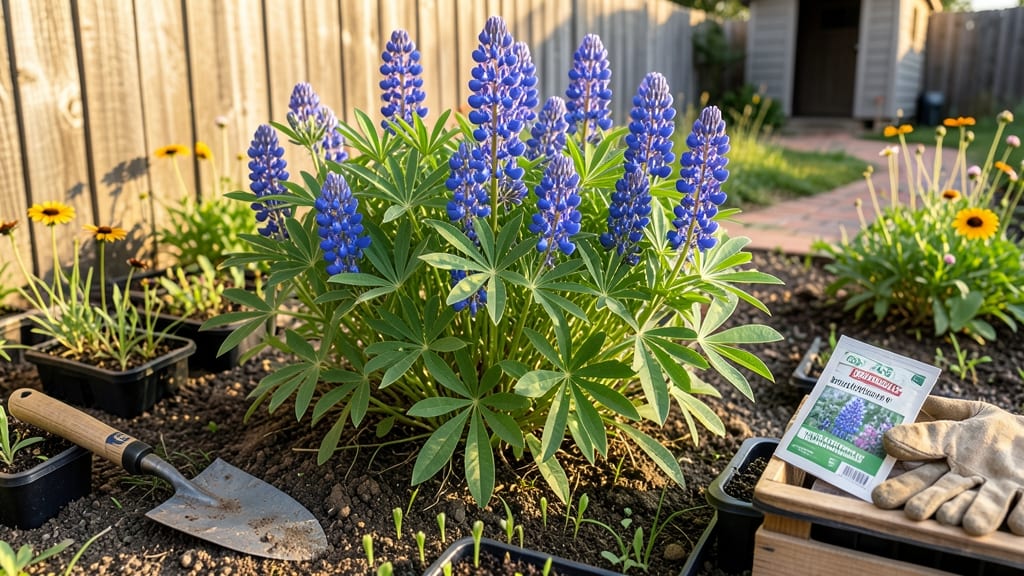
A fast-germinating Texas wildflower seed mix turns bare soil into a riot of color within weeks—not months. 🌼 I’ve planted mine in late February and October for two years running, and the difference between a sleepy yard and a pollinator paradise is staggering.
The secret lies in mimicking nature’s timing: sow when the soil warms but before the summer heat peaks.
You’ll need just three things: a sunny patch (at least 6 hours of light daily), well-draining soil, and a gentle watering can. No fancy tools—just rake, scatter, and let the rain do the rest.
Texas natives like bluebonnets, black-eyed susans, and Mexican feather grass thrive on neglect once established, but they demand patience in those first critical 10 days of germination.
By mid-spring, you’ll see a carpet of blooms that hums with bees and butterflies—something store-bought turf can’t compete with. The flowers return year after year, adapting to Texas’ unpredictable rains and droughts. Even my neighbor’s skeptical “it’ll just wash away” comment turned to praise by June.
Works in full sun or partial shade, from urban yards to rural fields. The key is planting early enough to beat the summer heat but late enough to avoid winter freezes. Let’s get those seeds in the ground!
📚 In This Guide
- What you need
- Instructions
- Tips and common mistakes
- Wrapping up and next steps
What you need
- ● Texas Wildflower Seed Mix – 1–5 lbs (depending on area size; ~1 lb covers ~1,000 sq ft). Opt for a fast-germinating blend for quicker results!
- ● Garden rake or hand rake – For loosening soil and creating a fine seedbed.
- ● Hoe or cultivator – To break up compacted soil and remove weeds.
- ● Watering can or hose with a gentle spray nozzle – Essential for even moisture distribution.
- ○ Garden twine or stakes (optional but helpful) – To mark planting areas if needed.
- ○ Mulch or straw (optional but recommended) – ¼–½ inch thick to retain moisture and reduce erosion.
- ● Gloves – Protect your hands while handling soil and seeds.
- ● Seed starter fertilizer – A light application can boost early growth (follow package instructions).
- ● Bird netting or protective cover – To deter birds and wildlife from snacking on your seeds.
- ● Soil test kit – Ensures your soil pH (ideal: 6.0–7.5) is perfect for wildflowers.
- ● Portable sprinkler – For larger areas where hand-watering isn’t efficient.
- ● Notebook or journal – To track planting dates, rainfall, and germination progress!
Instructions for planting Texas wildflower seed mix
Here’s how to get your wildflower meadow blooming quickly—no waiting months for color.
🌱 Step 1: Prepare the Soil for Fast Germination
Clear the area of weeds and debris, then loosen the top 4-6 inches of soil with a rake or tiller. Texas wildflowers thrive in well-draining soil, so avoid compacted or waterlogged spots. If your soil is heavy clay, mix in 2-3 inches of compost or sand to improve drainage—this speeds up germination by helping seeds stay moist without rotting.
Level the ground gently so seeds won’t settle into low spots where water pools. A smooth, even surface ensures seeds make even contact with the soil. I like to run a board over the area to press down any remaining clumps—this prevents seeds from getting buried too deep, which slows sprouting.
💧 Step 2: Scatter Seeds Lightly and Cover Sparingly
Spread the Texas wildflower seed mix evenly over the prepared area, aiming for about 1/8 pound per 100 square feet. Walk in one direction while scattering to avoid clumping—uneven coverage leads to patchy blooms. I use a push broom to distribute seeds uniformly, especially in windy conditions where seeds might blow away.
Gently rake the seeds into the soil with a fine-tooth rake, covering them with just 1/8 to 1/4 inch of soil or a light layer of mulch. Press the soil lightly with your hands or a board to secure seeds in place. Over-covering buries seeds too deep, delaying germination for weeks. Here’s the thing—wildflowers need light to sprout, so keep it minimal.
☀️ Step 3: Water Gently and Consistently
Water the area lightly but thoroughly right after planting, keeping the soil evenly moist but not soggy. Use a fine-mist sprinkler or soaker hose to avoid dislodging seeds. Water once daily for the first 2-3 weeks until seedlings appear—this mimics natural rainfall and prevents seeds from drying out before they germinate.
Once seedlings emerge, reduce watering to 2-3 times per week, letting the top 1-2 inches of soil dry slightly between waterings. Overwatering at this stage can cause damping-off, a fungal disease that kills young sprouts. You’ll know you’re doing it right when seedlings stand upright with no yellowing leaves.
⏰ Step 4: Monitor and Maintain for Year-Round Blooms
Thin seedlings to 6-12 inches apart once they reach 2-3 inches tall, removing weaker plants to give stronger ones room. This step ensures your wildflowers grow robustly and don’t compete for nutrients. I use scissors to snip unwanted seedlings at soil level—it’s cleaner than pulling and less disruptive to roots.
After the first bloom cycle, let spent flowers stay on the plants. This encourages reseeding for next year’s display. In late fall, mow back one-third of the plant height to remove dead foliage and stimulate new growth. Texas wildflowers are tough—they’ll bounce back with minimal care once established.
Tips & tricks for planting your Texas wildflower meadow
Want to skip the waiting game and see those vibrant blooms ASAP? These are the real game-changers that'll help your Texas wildflowers pop up faster and thrive longer.
Soil Prep Secret: That 4-6 inch soil loosening in Step 1 isn't just about weeds—it's about creating the perfect air-soil balance. I've found that adding a thin layer of coarse sand (about 1/2 inch) to heavy clay soils right before planting makes a huge difference. It creates tiny air pockets that help seeds stay moist without suffocating them. Think of it like giving your seeds their own little breathing room.
Seed Distribution Hack: When you're scattering that 1/8 pound per 100 square feet in Step 2, here's what nobody tells you—use a clean, dry sock or old pantyhose to create a seed pouch. Cut the toe off, fill it with seeds, and tie it shut. Shake it gently while walking backward across your plot. This gives you complete control over seed placement and prevents those frustrating windy-day seed scatterings.
Watering Wisdom: That first 2-3 weeks of daily watering is critical, but timing matters just as much as frequency. Water in the early morning (between 6-9am) so any moisture on leaves evaporates by daytime. This prevents fungal diseases that can wipe out your seedlings before they even get started. I've lost entire plots because I watered in the evening—don't make my mistake!
Thinning Technique: When you're thinning those 2-3 inch seedlings in Step 4, here's my pro move: use a small hand trowel to carefully lift the weaker seedlings rather than pulling. This prevents disturbing the roots of your keepers. I also like to thin in stages—first remove the most obvious weaklings, then wait a week before doing a second thinning pass. Your strongest plants will become even more vigorous with this gradual approach.
Pro Tips for Texas Wildflower Seed Mix
- Want to skip the waiting game and see those vibrant blooms ASAP?
- Soil Prep Secret: That 4-6 inch soil loosening in Step 1 isn't just about weeds—it's about creating the perfect air-soil balance.
- Seed Distribution Hack: When you're scattering that 1/8 pound per 100 square feet in Step 2, here's what nobody tells you—use a clean, dry sock or old pantyhose to create a seed pouch.
Frequently asked questions
Got questions about transforming your Texas landscape with wildflower seed mixes? Here are some of the most common queries—and their answers—to help you get started with confidence!
When is the best time to plant Texas wildflower seeds?
For fastest germination, plant your Texas wildflower seed mix in early fall (September–October) or late winter (February). These periods provide ideal moisture and temperatures (60–75°F) for seeds to sprout quickly. Avoid planting in peak summer heat—seeds may dry out before germinating!
How much water do wildflowers need after planting?
Keep soil consistently moist (not soggy) for the first 2–3 weeks after planting. Water lightly daily or every other day, then taper to deep watering 2–3 times per week. Once established, wildflowers thrive on rainfall alone—they’re drought-tolerant once roots take hold!
Can I plant wildflower seeds in my existing lawn?
Yes! Mow your lawn short, then use a slit-seeder or broadcast spreader to scatter seeds evenly. Lightly rake soil to ensure seed-to-soil contact. For best results, thin out grass with a pre-emergent herbicide (if needed) to reduce competition. Over time, wildflowers will outcompete turfgrass naturally.
Will Texas wildflowers attract bees or pests?
Wildflowers do attract pollinators like bees and butterflies—which is great for ecosystems! To minimize pests, choose native varieties (like bluebonnets or black-eyed Susans) and avoid over-fertilizing. If aphids appear, spray with soapy water or introduce ladybugs. The benefits (bees, birds, and color!) far outweigh minor pest issues.
How long until I see flowers after planting?
With a fast-germinating mix, you’ll see tiny sprouts in 7–14 days and colorful blooms in 6–8 weeks (if planted in fall/winter). Summer plantings may take slightly longer (8–12 weeks) due to heat stress. Patience pays off—wildflowers reward you with vibrant displays year after year!
What if my seeds don’t germinate?
Check these troubleshooting tips:
- Soil contact: Rake seeds lightly into topsoil (¼ inch deep max).
- Moisture: Keep soil damp but not waterlogged.
- Sunlight: Wildflowers need full sun (6+ hours/day).
- Fresh seeds: Store seeds in a cool, dry place—old seeds (over 1 year) may lose viability.
Wrapping up and next steps
Transforming your Texas landscape into a vibrant wildflower haven is easier—and more rewarding—than you think!
With the right Texas wildflower seed mix, you’re just a few weeks away from bursts of color that attract pollinators and bring joy year-round. 🌸 Whether you’re a seasoned gardener or a curious beginner, now’s the perfect time to plant your future blooms.
Ready to take the next step? Start by choosing your seed mix, prepping your soil, and sowing those seeds before the next rain shower. Your garden’s wildflower revolution begins today—what will you plant first?