
Lawn
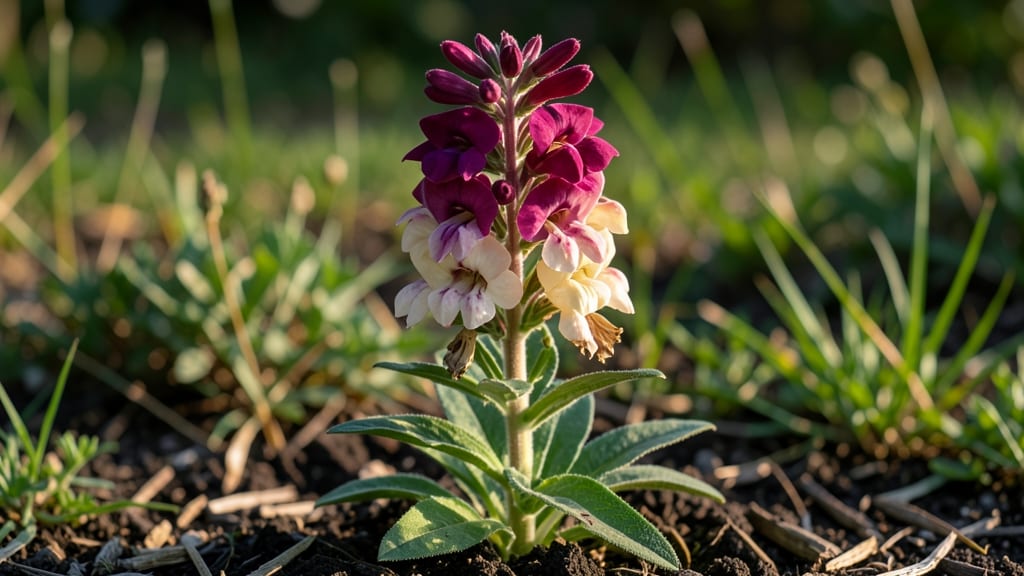
Snapdragon seed pods are nature's way of packaging genetics for next season—if you know when and how to catch them before they pop open on their own. 🌱 The secret lies in watching for that telltale shift from green to brown, paired with a slight papery texture that signals maturity.
One wrong move and you'll miss the window, leaving empty pods that release seeds into the wind—gone forever unless you're ready.
Timing is everything: harvest when pods turn dry brown but before they split open, usually 4-6 weeks after flowering depending on your climate. A gentle twist or tap will release seeds if they're ready—if they resist, wait another day.
Store collected seeds in a cool, dry place for up to 3 years, though viability drops after 2. The key to healthy seed production starts with strong stems and proper watering—never let them dry out mid-season.
You'll end up with a stash of tiny, winged seeds that produce plants identical to their parents, ensuring your favorite colors and heights return next year.
The pods themselves make striking dried arrangements, but their real magic is in the garden: a single pod contains hundreds of seeds, enough to fill a small border. Just avoid overcrowding—thin seedlings early to prevent competition.
For troubleshooting, watch for premature splitting (a sign of overripe pods) or empty pods (often caused by poor pollination). Hand-pollinate with a soft brush if your garden lacks bees, and deadhead spent blooms to redirect energy into seed development.
With these methods, you'll never waste another seed to the wind again.
📚 In This Guide
- What you need
- Instructions
- Tips and common mistakes
- Wrapping up and next steps
What you need
- ● Snapdragon plants (healthy, mature plants with fully developed seed pods—look for pods that are brown and slightly dry).
- ○ Pair of gardening gloves (optional but recommended to protect your hands from prickly stems).
- ● Small paper bags or envelopes (4-6, depending on the number of pods you’re harvesting—use brown paper for a rustic touch!).
- ● Scissors or pruning shears (sharp and clean to avoid damaging the pods).
- ● Labeling markers or tags (to note varieties or harvest dates if saving seeds for future planting).
- ● Drying surface (a clean, dry tray or screen to lay pods out while they finish drying).
- ● A magnifying glass (to inspect pods for pests or damage before harvesting).
- ● Desiccant packets (if storing seeds long-term to keep moisture out).
- ● Seed-saving journal (to track plant traits, colors, or germination notes).
- ● Fine-mesh sieve (for separating seeds from chaff if you prefer extra cleanliness).
How to harvest snapdragon seed pods naturally
Watch your snapdragons perform their own seed collection show—no tools required.
🌱 Step 1: Identify Mature Seed Pods
Snapdragon seed pods mature when they turn from green to a dry, papery brown color—this usually happens in late summer to early fall, depending on your climate. Look for pods that feel crisp to the touch rather than soft or leathery. Each pod contains hundreds of tiny seeds, but they won't release until fully mature.
Gently squeeze a pod between your fingers. If it resists and doesn't give, it's not ready. When pods are mature, they'll feel hollow inside, like an empty paper sack. This is the moment that matters: harvest too early, and the seeds won't germinate properly.
☀️ Step 2: Choose the Right Day for Collection
Select a dry, sunny day with no rain forecast for at least 24 hours. Humidity prevents the pods from popping open naturally, so clear weather is critical. Morning is ideal because dew can also interfere with the drying process that triggers seed release.
I like to harvest in the morning after the dew has evaporated but before the midday heat sets in. This gives the pods time to dry out fully throughout the day. If you must collect later, ensure the pods have several hours of direct sunlight to complete their drying cycle.
🪴 Step 3: Create a Collection Surface
Place a large, lightweight sheet of paper or a clean white tray directly beneath the snapdragon plants. I use a plain white paper grocery bag laid flat—it's sturdy, easy to find, and makes seed collection effortless. The contrast between the seeds and the surface helps you spot any missed pods.
Secure the paper with small rocks or clips if needed, especially in windy conditions. You'll want the collection surface to stay in place while the pods pop open. A slight breeze helps disperse seeds, but too much wind can scatter them beyond your collection area.
⏰ Step 4: Let the Pods Pop Naturally
Step back and let the pods do their thing. Over the next 2-3 days, the pods will begin to split open with a tiny pop sound—almost like a tiny firecracker. Each pod releases seeds in a dramatic burst, shooting them up to 2 feet away in all directions. This is why spacing matters.
Watch for the first pods to split, then check daily. If rain is forecast, cover the collection area with a lightweight mesh or clear plastic to protect the seeds without trapping moisture. Once most pods have released, gently shake the plants to encourage any remaining ones to pop.
🌿 Step 5: Collect and Store Seeds
Once the pods have finished popping, carefully gather the seeds from the paper or tray. Use a small hand fan or soft brush to move seeds that may have scattered slightly. I like to sift them through a fine mesh sieve to remove any debris or empty seed husks.
Store the seeds in a paper envelope (not plastic—it traps moisture) in a cool, dry place. Label the envelope with the variety and date. Snapdragon seeds remain viable for 2-3 years when stored properly, so you'll have a ready supply for future plantings.
Tips & tricks for perfect snapdragon seed pod harvesting
Here's what nobody tells you about making this process foolproof—from timing to troubleshooting those tricky pods.
Timing Secret: The 24-hour dry spell in Step 2 is non-negotiable for successful seed release. I've learned this the hard way—even light morning dew can prevent pods from popping properly. If you're in a humid climate, harvest during the hottest part of the day when moisture levels are lowest, but still give those pods the full 24 hours to dry completely.
Pod Maturity Test: In Step 1, when testing pod maturity, look for pods that make a faint rattling sound when shaken gently. This indicates fully dried seeds inside. I also check for the "paper sack" feel—if it crinkles like tissue paper, it's ready. Harvesting too early means you'll end up with mostly empty husks and very few viable seeds.
Collection Surface Strategy: For Step 3, consider using a lightweight fabric sheet instead of paper if you're dealing with windy conditions. It's more durable and won't blow away when pods pop. I've had success with old cotton bedsheets—just lay them flat and secure the corners. The fabric also makes it easier to spot seeds against the lighter background.
Rainy Day Rescue: If rain is forecast during your 2-3 day collection window (Step 4), create a makeshift greenhouse using a clear plastic shower curtain draped over a wire frame. This maintains humidity without trapping moisture directly on the seeds. Remove it during sunny periods to allow proper drying.
Pro Tips for Snap Dragon Seed Pod
- Here's what nobody tells you about making this process foolproof—from timing to troubleshooting those tricky pods.
- Timing Secret: The 24-hour dry spell in Step 2 is non-negotiable for successful seed release. I've learned this the h...
- Pod Maturity Test: In Step 1, when testing pod maturity, look for pods that make a faint rattling sound when shaken g...
Frequently asked questions
Got questions about those fascinating snapdragon seed pods? You’re not alone! Here are some of the most common queries—plus quick answers to help you master the pop-open magic.
Why do snapdragon seed pods pop open when touched?
These pods use a clever mechanical trick called hygroscopy—they’re sensitive to moisture! When dry, their outer layer tightens, creating tension. A gentle touch releases that tension, causing the pod to snap open and scatter seeds. Nature’s way of ensuring new plants grow!
How do I know when snapdragon seed pods are ready to collect?
Look for pods that are dry, brown, and crisp to the touch. If they’re still green or soft, they’re not ready—wait another 1–2 weeks. Pro tip: Tap them lightly; if they rattle, they’re prime for popping!
What if my snapdragon pods won’t pop open naturally?
No stress! If pods stay stubbornly closed, try these fixes:
- Let them dry out fully in a warm, sunny spot (no humidity!).
- Gently squeeze the sides with your fingers—sometimes a little help is needed!
- Place them in a paper bag for 24 hours to speed up drying.
Can I collect snapdragon seeds from store-bought flowers?
Yes, but with a caveat! Store-bought snapdragons are often hybrids bred for color or size, so their seeds may not grow true to type (i.e., they might not look like the parent plant). For reliable results, save seeds from heirloom or open-pollinated varieties grown in your garden.
When is the best time of year to collect snapdragon seed pods?
Timing depends on your climate, but generally:
- Cool seasons (spring/fall): Pods mature faster in mild weather—collect in late summer to early autumn.
- Hot climates: Harvest in early summer before heat causes pods to dry too quickly.
Wrapping up and next steps
Harvesting snapdragon seed pods doesn’t have to be a tricky task—with the right techniques and a little patience, you can effortlessly collect seeds while enjoying the magical pop of nature’s tiny fireworks! 🌸 Whether you’re a gardener looking to save seeds for next season or simply fascinated by their unique mechanics, these pods offer a fun and rewarding way to engage with your plants.
Now that you’re armed with knowledge, why not give it a try? Grab a pair of gloves, head to your garden, and experience the joy of seed collection firsthand. Happy gardening—and may your snapdragons keep popping with delight! 🌱✨