
Lawn
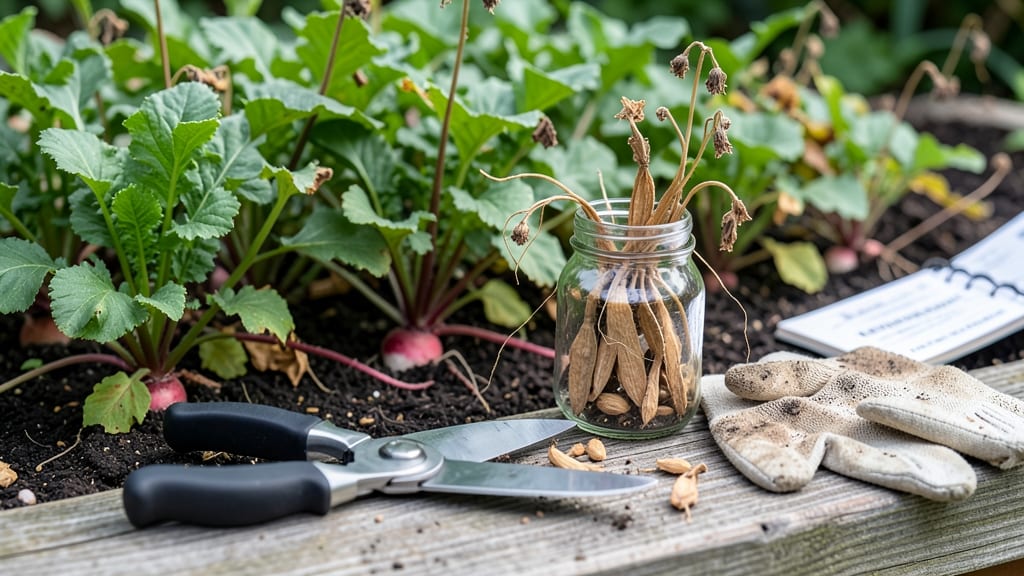
Saving radish seeds turns food scraps into next year's harvest—no store-bought packets needed. 🌱 I learned the hard way that not all radishes produce reliable seeds, but the right varieties and timing make it shockingly simple. The payoff? A zero-waste cycle where your garden feeds itself.
Start with daikon or French breakfast radishes—they bolt reliably and produce plump seed pods. Let healthy plants flower fully (no harvesting those greens!) and watch for the telltale twist: when pods turn from green to brown and rattle when shaken, they're ready.
A single pod yields hundreds of seeds, enough to replant a whole bed.
Drying takes just 10-14 days in a cool, dark spot—no fancy equipment needed. Store seeds in labeled envelopes where they'll stay viable for 3-5 years. The first time you watch those same heirloom varieties grow from your own saved seeds, you'll never buy radish seed packets again.
Bolting too early? Shade cloth helps delay it. Too many pests? Handpick or use row covers. The key is patience—radish seeds take their time, but the results are worth every extra week in the garden.
📚 In This Guide
- What you need
- Instructions
- Tips and common mistakes
- Wrapping up and next steps
What you need
- ● Mature radish plants: Choose open-pollinated varieties (e.g., 'Cherry Belle,' 'French Breakfast'). Let them bolt (go to flower) naturally—do not harvest the roots!
- ● Seed pods: Allow pods to fully dry on the plant (they’ll turn brown and papery) before harvesting.
- ● Paper bags or envelopes: 1–2 per variety (labeled with plant name + year). Brown paper or seed-saving envelopes work best.
- ● Permanent marker or labels: For marking bags/envelopes.
- ● Pruning shears or scissors: For cleanly snipping dried pods from stems.
- ● Small fan or dehumidifier: Speeds up drying if your climate is humid.
- ● Seed catalog or notebook: To log varieties, germination rates, and notes.
- ○ Fine mesh sieve: Helps separate seeds from chaff (optional for bulk saves).
- ● Patience: Radish seeds take 4–6 weeks to mature post-bolting.
- ● Dry conditions: Avoid saving seeds in damp weather—moisture = moldy seeds!
- ● Isolation: If saving heirloom varieties, plant them 100+ feet apart from other radishes to prevent cross-pollination.
Step-by-Step instructions for radish seed saving
Here’s how to save radish seeds with minimal fuss—no twisting, no wasted pods, just pure efficiency.
🌱 Step 1: Grow a Dedicated Seed-Saving Crop
Choose a long-day radish variety like 'French Breakfast' or 'Cherry Belle' for reliable seed production. Plant them in late summer (about 6-8 weeks before your first frost) so they mature before cold sets in. Space plants 12-18 inches apart—this gives pods room to develop without crowding.
Skip the early spring planting. Radishes grown for food bolt too quickly, and their seeds won’t fill properly. Instead, let them flower and go to seed naturally. You’ll know it’s working when you see bright yellow blooms followed by plump seed pods forming.
🌿 Step 2: Let Pods Mature Fully on the Plant
Harvest pods only when they’re completely dry and brown—this usually takes 4-6 weeks after flowering. If you pick them too soon (when still green or yellow), the seeds inside won’t be viable. I wait until pods rattle when shaken—that’s your cue they’re ready.
Here’s the trick: Don’t twist or pull pods off. Instead, snip them cleanly with clean scissors to avoid damaging the stem. Leave a few pods on the plant until they’re fully crispy and brown—this ensures maximum seed yield. If pods shatter before drying, cover the remaining ones with a paper bag to catch fallen seeds.
💧 Step 3: Dry and Clean the Seeds
Spread the harvested pods on a flat tray in a dry, well-ventilated spot (like a sunny windowsill or garage shelf) for 1-2 weeks. The pods will dry out completely, and seeds will loosen inside. Once fully dry, crush the pods gently with your fingers or a rolling pin to release the seeds.
Sift the seeds through a fine mesh sieve to separate them from chaff and debris. Store them in a paper envelope (not plastic—it traps moisture) in a cool, dark place. Label with the variety and date—radish seeds stay viable for 2-3 years if kept dry.
✂️ Step 4: Test Seed Viability (Optional but Recommended)
Before planting saved seeds next year, do a quick germination test. Place 10 seeds on a damp paper towel in a sealed plastic bag. Keep them in a warm spot (65-75°F) for 5-7 days. If 80% or more sprout, your seeds are good to go. If fewer than half sprout, store the rest in the freezer for another year.
This step saves you from planting dozens of seeds only to get weak seedlings. I’ve found radish seeds often lose vigor after just one year, so testing ensures you’re not wasting garden space on dud seeds.
🌱 Step 5: Plant Saved Seeds Next Season
Sow saved radish seeds as early as 4-6 weeks before your last frost date for a spring harvest. Scatter them ¼ inch deep in well-drained soil and keep the bed consistently moist until germination (usually 5-10 days). Thin seedlings to 2 inches apart once they’re 2 inches tall.
Watch for bolting (rapid flowering) if temperatures rise too quickly. If your radishes start sending up flower stalks before maturity, harvest the roots immediately—bolted radishes get woody and pithy. With saved seeds, you’ll get a head start on the season and zero waste from store-bought packets.
Tips & tricks for perfect radish seed saving
Here's what nobody tells you about saving radish seeds—these tricks will turn your garden into a seed-saving powerhouse.
Variety Matters: Stick with long-day radish varieties like 'French Breakfast' or 'Cherry Belle' for reliable seed production. Short-day varieties often produce poor-quality seeds. I've tried saving seeds from spring-planted radishes, and they're usually tiny and non-viable—don't make my mistake! The late summer planting window is your golden opportunity for quality seeds.
The Rattle Test: In Step 2, when you're checking pod maturity, give them a gentle shake. If they rattle like a maraca, they're ready. This simple test saves you from harvesting green pods that won't produce viable seeds. I wait until pods are completely brown and crispy—this usually takes the full 4-6 weeks after flowering mentioned in the instructions.
Pod Preservation Strategy: If your pods start shattering before they're fully dry, cover the remaining ones with a paper bag tied loosely at the bottom. This catches any fallen seeds while still allowing airflow. I've lost seeds to shattering before, but this simple trick has saved me countless times. Just remember to check the bag regularly—seeds can dry out too quickly in hot weather.
Storage Wisdom: When storing your seeds, use paper envelopes instead of plastic bags. Paper breathes, preventing moisture buildup that can ruin seeds. Label each envelope with the variety and date—radish seeds stay viable for 2-3 years if kept dry and cool. I've had seeds last even longer when stored in the freezer, but standard cool, dark conditions work perfectly fine.
Pro Tips for Radish Seed Saving
- Here's what nobody tells you about saving radish seeds—these tricks will turn your garden into a seed-saving powerhouse.
- Variety Matters: Stick with long-day radish varieties like 'French Breakfast' or 'Cherry Belle' for reliable seed production.
- The Rattle Test: In Step 2, when you're checking pod maturity, give them a gentle shake.
Frequently asked questions
Got questions about saving radish seeds?
You’re not alone! Here are the most common concerns—and straightforward answers—to help you master zero-waste seed saving like a pro.
How do I know when radish pods are ready for seed saving?
Wait until the pods turn brown and dry on the plant (usually 30–45 days after flowering). If you pick them too early, the seeds won’t mature. Pro tip: A gentle twist should release seeds easily—if not, they’re not ready yet!
Can I save seeds from radishes I buy at the grocery store?
Probably not! Store-bought radishes are often hybrids (F1 varieties), meaning seeds won’t grow true-to-type. For reliable seeds, save from open-pollinated varieties like ‘Cherry Belle’ or ‘French Breakfast.’ Always check seed packets for “OP” labels!
What if my radish pods twist off before seeds mature?
Twisting is a natural defense—radishes evolved to drop pods before pests or weather damage seeds. To prevent this:
- Plant in late summer for cooler temps (less stress).
- Use cage-like supports (like tomato cages) to protect pods.
- Harvest pods early morning when they’re firmest.
Do radish seeds need special drying or storage conditions?
Once harvested, spread seeds on a paper towel in a cool, dry spot (60–70°F) for 1–2 weeks. Store in a sealed envelope or jar with a desiccant packet (like silica gel) in a dark place. Viability lasts 2–3 years if stored properly!
What’s the best radish variety for seed saving?
Choose open-pollinated varieties with long pods (better seed yield) and disease resistance. Top picks:
Variety
Days to Maturity
Why It’s Great
‘French Breakfast’
30 days
Classic, reliable, and easy to save seeds from.
‘Cherry Belle’
25 days
Compact pods, great for small gardens.
‘Black Spanish’
35 days
Long pods = more seeds per plant!
Wrapping up and next steps
Saving radish seeds is a rewarding way to embrace zero-waste gardening while enjoying bold, homegrown flavors year after year! By following these simple steps—selecting the best pods, drying them properly, and storing them correctly—you’ll unlock a sustainable cycle of harvests.
Whether you’re a seasoned gardener or just starting, your efforts will nourish both your garden and the planet.
Ready to dive deeper? Start small—try saving seeds from just one radish variety this season, and watch your confidence (and seed stash!) grow. Happy saving! 🌱✨