
Lawn
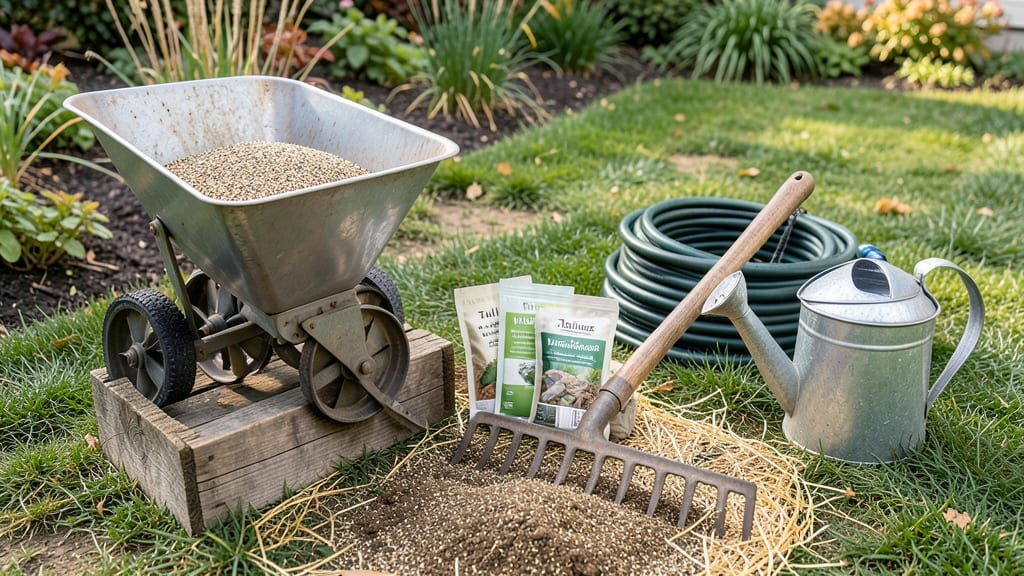
Fall is the secret weapon for a lush lawn next spring—putting grass seed down in fall gives roots time to establish before winter’s chill. 🌱 I’ve seen bare patches transform into thick, green carpets by planting in October, when cooler temps and fewer weeds make success almost guaranteed.
The key? Timing, soil prep, and keeping moisture just right until frost.
You’ll need a rake, a spreader (or just your hands), quality seed for your climate zone, and a light layer of straw to protect new sprouts.
Most regions do best with seeding 4-6 weeks before first frost, but check your local last-frost date—too early, and weeds steal the show; too late, and winter slows growth. I’ve learned the hard way that skipping soil prep (removing debris, loosening compacted areas) is the fastest way to disappointment.
What you’ll get is a lawn that outlasts summer heat and drought because those deep roots anchor plants through tough seasons. By spring, neighbors will ask how you pulled off such vibrant green—while they’re still patching their spring-seeded messes.
The trickiest part? Keeping seeds moist without drowning them, especially as winter approaches.
This works for both new lawns and patchy areas, and even works in partial shade if you pick the right seed blend. Whether you’re a first-timer or a seasoned pro, fall seeding is the one task that pays off year after year—with less work than spring planting.
Let’s get those seeds in the ground before the first frost hits.
📚 In This Guide
- What you need
- Instructions
- Tips and common mistakes
- Wrapping up and next steps
What you need
- ● Grass seed: Choose a high-quality, cool-season variety (e.g., tall fescue, Kentucky bluegrass, or perennial ryegrass). Aim for 5–10 lbs per 1,000 sq ft, depending on your lawn’s condition.
- ● Lawn fertilizer: A fall-specific blend with a high phosphorus (P) content (e.g., 10-20-10 or 5-10-5 ratio) to encourage root growth. Use ½ lb of nitrogen per 1,000 sq ft.
- ● Topsoil or compost: A ¼-inch layer to improve seed-to-soil contact and nutrients.
- ○ Starter fertilizer (optional but recommended): A low-nitrogen, high-phosphorus formula to jumpstart seed germination.
- ● Broadcast spreader: For even seed distribution (manual or drop-type).
- ● Rake (bow or leaf rake): To loosen soil and cover seeds lightly (¼-inch depth).
- ● Lawn mower (with bagger): To collect clippings before seeding.
- ● Garden hose or sprinkler: For light, frequent watering (1–2 times daily, 5–10 mins per session).
- ○ Soil test kit (optional): To check pH and nutrient levels before seeding.
- ● Mow existing grass short (1–1.5 inches) but don’t scalp the lawn.
- ● Remove debris, rocks, and weeds for optimal seed contact.
- ● Test soil pH—aim for 6.0–7.0 (adjust with lime or sulfur if needed).
- ● Choose a cool, dry day (50–65°F) for seeding to avoid washing seeds away.
Step-by-step instructions for putting grass seed down in fall
Fall planting gives grass roots a head start before winter—here’s how to do it right.
🪴 Step 1: Prepare the Soil for Optimal Seed Contact
Start by mowing your lawn as short as possible—about 1 inch—to remove dead grass and create space for new seeds. This is critical because grass seed needs direct contact with soil to germinate properly. After mowing, rake the area thoroughly with a stiff-bristle rake to break up any compacted soil and create a smooth, even surface.
Test the soil pH—ideal for most grasses is between 6.0 and 7.0. If your soil is too acidic or alkaline, amend it with lime or sulfur before seeding. You’ll know you’ve done this right when the soil looks loose, crumbly, and free of debris. This prep ensures seeds make immediate contact with fertile soil, which speeds up germination.
💧 Step 2: Spread Grass Seed Evenly and Lightly
Use a broadcast spreader to distribute the seed evenly across the prepared area. Walk slowly and overlap passes slightly to avoid thin spots. Most grass seed packages recommend applying 4-6 pounds per 1,000 square feet, but always double-check the label—some varieties need more. I like to spread half the seed in one direction and the other half perpendicularly to ensure full coverage.
Don’t bury the seed—just lightly rake it into the soil with a leaf rake, covering it with no more than ¼ inch of soil. This shallow coverage keeps seeds moist while allowing sunlight to reach them. If you bury seeds too deeply, they’ll struggle to push through the soil surface, delaying germination.
☀️ Step 3: Water Gently but Consistently for Germination
Water the seeded area immediately after planting, keeping the soil moist but not soggy. Use a gentle spray nozzle to avoid washing away seeds. Aim for ¼ to ½ inch of water per day, split into two light waterings—once in the morning and once in the evening. This keeps the soil surface consistently damp, which is essential for seed germination.
You’ll see the first signs of new grass within 7-14 days, depending on the variety and weather. Keep watering daily until the new grass reaches about 2-3 inches tall. At this point, you can gradually reduce watering to encourage deeper root growth. Overwatering now can lead to fungal issues, while underwatering will stunt the young seedlings.
✂️ Step 4: Maintain and Protect New Growth
Once the new grass is about 3 inches tall, mow it for the first time, setting your mower blade to 3 inches to avoid scalping the tender blades. This helps strengthen the roots and prepares the lawn for winter. Avoid heavy foot traffic or playing on the new grass for at least 4-6 weeks to prevent damage to the delicate seedlings.
Fall is the perfect time to overseed because cooler temperatures reduce weed competition and help the grass establish deep roots before winter. Keep an eye out for weeds or pests—if you spot any, address them early with targeted solutions. With consistent care, your lawn will fill in beautifully by spring, ready to handle summer’s heat.
Tips & tricks for perfect fall grass overseeding
Fall planting is your secret weapon for a lush spring lawn—here’s how to avoid the most common pitfalls.
Timing is Everything: Aim to plant your grass seed in fall when daytime temperatures are between 60-75°F and nighttime temps drop below 60°F. This ideal window typically falls between 4-6 weeks before your first hard frost. Cooler fall temperatures help seeds germinate without the stress of summer heat, while still allowing enough growing time before winter sets in. I’ve seen the best results when planting in early to mid-October in most regions.
Soil Prep Makes All the Difference: Don’t skip the pH test—most grass varieties thrive in soil with a pH between 6.0-7.0. If your soil is outside this range, amend it before planting. I’ve ruined lawns by overlooking this step, only to watch seeds fail to germinate properly. For compacted soil, rent a core aerator to create those tiny holes that help seeds make direct contact with moisture and nutrients.
Seed Coverage Secrets: When lightly raking seeds into the soil, aim for that ¼ inch maximum coverage. Too deep, and seeds won’t push through; too shallow, and they’ll dry out. I use a simple trick—sprinkle a thin layer of compost over the seeds after raking. This helps retain moisture while still allowing sunlight to reach the seeds. Just avoid burying them completely!
Watering Wisdom: Those ¼ to ½ inch daily waterings are non-negotiable during the first two weeks. I set a rain gauge in my yard to track exactly how much water I’m applying—it’s shocking how easy it is to overwater or underwater without measuring. In Step 3, split your watering into morning and evening sessions to prevent fungal growth while keeping the soil consistently moist. Once you see sprouts, you can gradually reduce to every other day.
Pro Tips for Putting Grass Seed Down In Fall
- Fall planting is your secret weapon for a lush spring lawn—here’s how to avoid the most common pitfalls.
- Timing is Everything: Aim to plant your grass seed in fall when daytime temperatures are between 60-75°F and nighttim...
- Soil Prep Makes All the Difference: Don’t skip the pH test—most grass varieties thrive in soil with a pH between 6.0-...
Frequently asked questions
about planting grass seed in the fall—let’s tackle the most common concerns so you can prep like a pro!What’s the best time to plant grass seed in the fall?
For most regions, aim for 4–6 weeks before the first hard frost (typically late August to early October). Cool temperatures and frequent rainfall create ideal conditions for seed germination and root growth. Check your local USDA zone for precise timing!
How long does it take for grass seed to grow in the fall?
Germination usually takes 7–21 days, depending on the grass type, soil temperature, and moisture. Fall-grown grass may slow down as temps drop but will establish deeper roots before winter. Expect a lush lawn by spring with proper care!
Do I need to water grass seed daily in the fall?
Yes! Keep soil consistently moist (not soggy) for the first 2–3 weeks. Water lightly 2–3 times daily (early morning is best) until seeds sprout. After germination, reduce to 1–2 times daily. A sprinkler with gentle mist works best.
Can I overseed an existing lawn in the fall?
Fall is perfect for overseeding. Mow your lawn short, remove debris, and aerate if soil is compacted. Choose a seed blend matched to your current grass type (e.g., fescue or ryegrass) for seamless integration.
Will birds or animals eat my grass seed?
Yes, birds and squirrels may snack on seeds. Spread seed evenly and lightly, cover with straw (not mulch), and consider a temporary bird netting if pests are persistent. A thin layer of straw also protects seeds from drying out.
What if my grass doesn’t grow by winter?
Don’t worry! Fall-planted seeds focus on root development. If growth stalls, reduce foot traffic, avoid heavy fertilizers, and keep the area weed-free. With patience, you’ll see vigorous spring regrowth—just like nature’s timeline!
Wrapping up and next steps
Fall is the perfect time to give your lawn a head start—cool weather and moist soil create ideal conditions for grass seed to take root deeply before winter. By following these steps, you’ll wake up to a lush, vibrant lawn next spring. 🌱
Ready to transform your yard? Grab your supplies, roll up your sleeves, and start small—even a single section can make a big difference! For extra confidence, consider testing your soil or consulting a local nursery for tailored advice. Your future lawn will thank you!