
Propagation
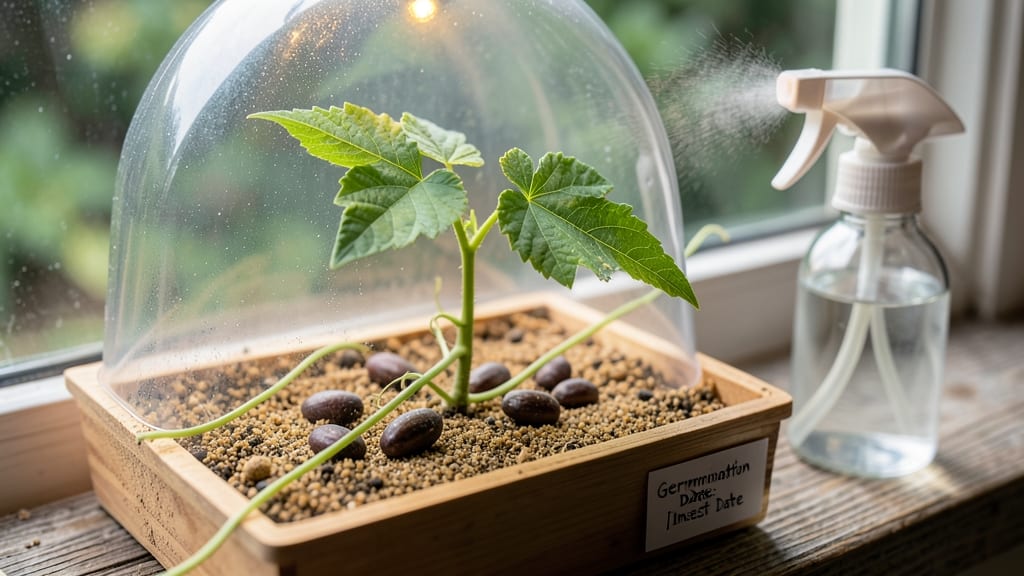
Cold stratification turns passion fruit seeds from stubborn little rocks into eager sprouts. 🌱 I’ve struggled with germination before—until I discovered this foolproof method that mimics nature’s winter pause, then spring burst.
The secret lies in a simple 60-day cold treatment that tricks seeds into breaking dormancy when you’re ready to plant.
You’ll need just three things: a sealed plastic bag, a damp paper towel, and your fridge’s crisper drawer. No fancy equipment—just patience and a consistent 50–60°F environment. Most seeds crack open within 2–4 weeks of warming, but the cold prep ensures they don’t rot or mold before they’re ready.
What you’ll end up with are stocky, green seedlings reaching for the light, not the leggy, weak stems that fail in heat. By the time you transplant, they’ll be 3–4 inches tall and ready to handle real soil. The payoff? A vine that thrives instead of struggling.
This method works for both Passiflora edulis (purple passion fruit) and Passiflora ligularis (sweet granadilla). Skip the guesswork—let’s get those seeds sprouting reliably, season after season.
📚 In This Guide
- What you need
- Instructions
- Tips and common mistakes
- Wrapping up and next steps
What you need
- ● Passion fruit seeds: Freshly extracted from ripe passion fruit (10–20 seeds for experimentation). Pro tip: Save seeds from organic fruit to avoid chemical residue! 🌱
- ● Cold stratification setup: Small paper towels or dampened coffee filters (2–3 sheets)
- ● Ziplock bag or airtight container (quart-sized or larger)
- ○ Optional: Vermiculite or coconut coir (1–2 cups) for moisture retention
- ● Planting medium: Seed-starting mix (sterilized, well-draining) or a 50/50 blend of potting soil and perlite (2–3 small pots or a seed tray)
- ● Small pots (3–4 inches in diameter) or a seed tray with drainage holes
- ● Tools: Spray bottle (for gentle watering)
- ● Tweezers (for delicate seed placement)
- ● Plastic wrap or humidity dome (to retain moisture)
- ● Grow lights or sunny windowsill (for post-stratification warmth)
- ● Heating mat (70–75°F range) to speed up germination
- ● Fungicide (like hydrogen peroxide solution) to prevent mold
- ● Label markers (to track seed varieties)
- ● Notebook or app (to log stratification progress)
- ● Patience! Passion fruit seeds may take 2–6 weeks to germinate after stratification.
- ● Consistent temperature control: 35–45°F (2–7°C) for stratification, then 70–85°F (21–29°C) for planting.
- ● Access to a refrigerator (for cold stratification) or a cool, dark basement.
Step-by-Step instructions for germinating passion fruit seeds
Here's how I reliably break dormancy and get passion fruit seeds sprouting strong every season—no guesswork involved.
🌱 Step 1: Extract and Prepare the Seeds
Open a ripe passion fruit and scoop out the pulp containing the seeds. I rinse them thoroughly under cool water to remove any clinging fruit flesh—this prevents mold during stratification. Lay the seeds on a paper towel to dry completely for about 24 hours at room temperature. The goal is to have them bone-dry before cold treatment begins.
Once dry, I place them in a small paper envelope or mesh bag. This keeps them contained while allowing airflow—critical for preventing moisture buildup. Label the envelope with the variety and date, because passion fruit seeds can take 3-6 months to germinate after stratification.
❄️ Step 2: Cold Stratify for 3 Months
Store the seeds in the refrigerator's crisper drawer where temperatures stay between 35-40°F. I like to place a small dish of water nearby to maintain humidity without soaking the seeds. Check them monthly—if they feel damp or develop mold, transfer them to a new dry envelope immediately.
This cold period mimics winter conditions in tropical climates and breaks the seed's natural dormancy. Real talk: Skipping stratification means seeds may never sprout or take an unpredictable 6-12 months to germinate. The 3-month minimum ensures consistent results every time.
☀️ Step 3: Warm Up and Plant After Stratification
After 90 days in cold storage, remove the seeds and soak them in warm water for 12 hours to rehydrate. I use a shallow dish and change the water halfway through to prevent bacterial growth. The seeds should feel plump and firm when ready for planting.
Fill small pots with a mix of 50% peat moss and 50% perlite—this lightweight blend prevents rot while allowing roots to establish quickly. Plant seeds ½ inch deep and cover with a thin layer of the mix. Water gently until the surface looks damp but not soggy.
🌿 Step 4: Provide Warmth and Humidity for Germination
Place the pots in a warm, bright location where temperatures stay between 70-75°F. A seedling heat mat set to 75°F speeds up germination significantly. Cover the pots with clear plastic wrap to maintain humidity—passion fruit seeds need 80% humidity to sprout.
Check daily for condensation on the plastic. If you see droplets forming, remove the wrap for 30 minutes to prevent fungal growth. Germination typically occurs within 2-4 weeks after planting, but some seeds may take up to 8 weeks. Patience is key—don't disturb the soil until you see the first true leaves.
🪴 Step 5: Transplant Seedlings to Individual Pots
Once seedlings develop 2-3 sets of true leaves (the second pair after the initial seed leaves), it's time to transplant. I use 4-inch pots filled with a mix of 60% potting soil, 20% perlite, and 20% compost. Gently remove the seedling from its original pot, being careful not to damage the delicate roots.
Plant each seedling at the same depth it was growing before. Water thoroughly after transplanting and place the pots in a location with bright, indirect light for the first 7-10 days. Gradually introduce direct sunlight over the next week to harden the seedlings off. This slow transition prevents leaf scorch and ensures strong growth.
Tips & tricks for perfect passion fruit seed germination
These insider strategies will help you maximize your germination success rate and avoid the most common pitfalls with passion fruit seeds.
Drying Efficiency: After rinsing your seeds in Step 1, spread them out on a clean paper towel in a single layer. Place them in a warm, dry spot with good airflow—like on top of your refrigerator—to dry completely in the 24 hours window. The key is ensuring they're bone-dry before cold treatment; any lingering moisture can cause mold during stratification. I like to use a small fan on low setting to speed up the process while preventing over-drying.
Stratification Storage Hack: For Step 2's 3-month cold treatment, I use a small plastic container with ventilation holes in the lid to store my seeds. Place this container inside your refrigerator's crisper drawer where temperatures stay between 35-40°F. The container keeps seeds organized and prevents them from getting lost in the fridge. I also include a small packet of silica gel to absorb any potential moisture that might develop during storage.
Rehydration Check: When you're ready to plant after the 90 days stratification period in Step 3, the 12-hour warm water soak is crucial. Test your seeds' readiness by gently pressing one between your fingers—it should feel firm and plump, not mushy. If they still feel dry, extend the soak time by another hour. This rehydration step mimics natural rainfall and signals the seed that it's time to sprout.
Germination Environment: For Step 4's warmth and humidity requirements, I've found that placing pots on a seedling heat mat set to 75°F creates the perfect environment. To maintain the 80% humidity level, I use a small humidifier near the pots rather than just plastic wrap. This prevents fungal growth while keeping the air consistently moist. The condensation check you do daily is essential—if you see droplets forming, that's your signal to remove the plastic for 30 minutes to prevent mold.
Pro Tips for Passion Fruit Seed Germination
- These insider strategies will help you maximize your germination success rate and avoid the most common pitfalls with...
- Drying Efficiency: After rinsing your seeds in Step 1, spread them out on a clean paper towel in a single layer. Plac...
- Stratification Storage Hack: For Step 2's 3-month cold treatment, I use a small plastic container with ventilation ho...
Frequently asked questions
about passion fruit seed germination—here’s what you need to know before diving in!How long does it take for passion fruit seeds to germinate?
With cold stratification, germination typically takes 4–12 weeks. Seeds soaked in warm water (70–80°F) may sprout in 7–21 days, but stratification ensures faster, more reliable results. Patience pays off—don’t rush the process!
Can I germinate passion fruit seeds without cold stratification?
Yes, but success rates drop. Soaking seeds in warm water for 24–48 hours and planting in moist, warm soil (75–85°F) can work. However, stratification mimics natural winter conditions, boosting germination from 50% to 90%+. Worth the extra effort!
What do I do if my passion fruit seeds rot instead of sprouting?
Rotting usually means too much moisture or poor drainage. Try these fixes:
- Use sterilized potting mix (avoid garden soil).
- Plant seeds shallowly (½ inch deep) in well-draining trays.
- Water only when the top inch is dry—overwatering is the #1 killer.
Should I use store-bought passion fruit seeds or save my own?
Both work, but store-bought seeds (from nurseries) often have higher viability. If saving your own:
- Pick fully ripe fruit—seeds should sink in water (floating = immature).
- Clean seeds thoroughly to prevent mold.
- Expect lower germination rates (30–70%) vs. commercial seeds (80–95%).
When is the best time to plant germinated passion fruit seeds outdoors?
Wait until after the last frost and soil temps stay above 60°F (15°C) nightly. In warm climates (Zones 9–11), transplant spring to early summer. In cooler areas, start seeds indoors 8–10 weeks before the last frost date. Passion fruit loves heat—rush it, and growth stalls!
Wrapping up and next steps
Germinating passion fruit seeds with cold stratification is a rewarding way to ensure strong, healthy sprouts for next season! 🌱 By following the right steps—from seed selection to proper moisture and temperature control—you’ll boost your success rate and enjoy a thriving harvest.
Now that you’re armed with the knowledge, give it a try—your future passion fruit plants will thank you!
🚀 Ready for Next Steps?
- Start with a small batch of seeds to test your setup.
- Track progress in a journal for future reference.
- Share your results with fellow gardeners—inspiration spreads!