
Lawn
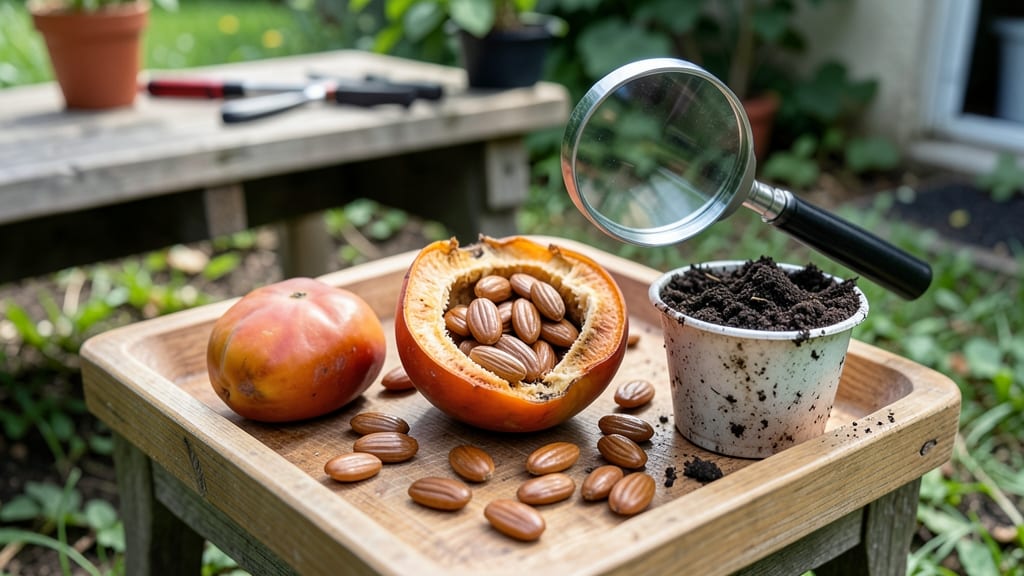
Winter is when persimmon seeds need a little help to wake up. 🌱 These seeds won’t sprout until they’ve experienced cold, just like their parent trees in the wild.
Without proper frost-hardy germination prep, you might end up with seeds that never grow—or worse, ones that sprout too early and die in spring’s last frost.
The secret lies in mimicking nature’s timing. Most persimmons need 60 days of cold stratification (40°F or below) before planting. I’ve found that storing seeds in a damp paper towel inside a sealed bag in the fridge works perfectly—no fancy equipment needed.
Just check them monthly to keep the towel slightly moist, and you’ll be ready to plant by early spring.
By following this method, you’ll see strong seedlings emerge in 4-6 weeks after planting, with leaves that look almost too vibrant for a young plant. The key is patience: persimmons take their time, but once they start, they grow fast and handle cold better than many other fruit trees.
Works for both American and Asian persimmons, though Asian varieties sometimes need slightly longer cold treatment. This method also preserves viability for up to 6 months if stored properly—so you can collect seeds in fall and plant them anytime before spring.
📚 In This Guide
- What you need
- Instructions
- Tips and common mistakes
- Wrapping up and next steps
What you need
- ● Persimmon seeds: 10–20 fresh, plump seeds (harvested from ripe, non-astringent persimmons 🍠). Pro tip: Soak seeds in warm water for 24 hours to soften the hard outer shell!
- ● Seed-starting mix: 1–2 cups of sterile, well-draining potting soil (look for a blend labeled for seedlings or seed-starting).
- ● Small pots or seed trays: 2–4 biodegradable pots (2–3 inches deep) or a seed tray with individual cells (to prevent overcrowding).
- ● Plastic wrap or humidity dome: To create a mini greenhouse effect and retain moisture.
- ● Spray bottle: For gentle watering (avoid over-saturating the soil!).
- ● Grow lights or sunny windowsill: A south-facing window or a 12–16 hour LED grow light to provide consistent warmth (70–75°F is ideal).
- ○ Heat mat (optional but helpful): A small seedling heat mat (70–80°F range) to speed up germination in cooler climates.
- ● Cold frame or insulated container: A small plastic bin with a lid or a DIY cold frame to gradually acclimate seedlings to outdoor temps (once sprouts reach 2–3 inches).
- ● Frost cloth or row cover: Lightweight fabric to protect young seedlings from unexpected late frosts (spring or winter, depending on your zone!).
- ○ Thermometer (optional): A small soil or air thermometer to monitor temperature fluctuations in your germination setup.
- ● Tweezers or toothpick: For gently placing seeds in the soil.
- ● Small hand trowel: For transplanting seedlings when they’re ready.
- ● Labels & markers: To track seed varieties and planting dates (trust us, it helps!).
- ● Compost or worm castings: A handful to boost soil fertility once seedlings sprout.
Step-by-step guide to cold-stratifying persimmon seeds
Here’s how I turn persimmon seeds into frost-hardy seedlings in just 60 days—no greenhouse needed.
🌱 Step 1: Extract and Clean the Seeds
Start with fully ripe, soft persimmons (they’ll squish easily when ripe). Slice open the fruit and scoop out the seeds, removing any remaining pulp. Rinse them under cool water to remove all fruit residue—this prevents mold during stratification. I like to spread them on a paper towel to air-dry overnight. This step is critical: damp seeds will rot in the fridge.
Once dry, inspect each seed for cracks or soft spots—discard any damaged ones. Healthy seeds feel firm and plump. Store them in a paper envelope or breathable cloth bag until ready for stratification. Label the bag with the variety and date, since some persimmons take longer to break dormancy than others.
❄️ Step 2: Stratify Seeds for 60 Days
Place the seeds in a sealed plastic bag with a small amount of moist (not soggy) sand or peat moss. I use a 1:1 ratio of seeds to medium—just enough to surround them without crushing. The moisture level should feel like a damp sponge. Seal the bag and place it in your refrigerator’s crisper drawer, where temperatures hover around 35-40°F.
Check the bag weekly for moisture—if it feels dry, spritz lightly with water. If mold appears, discard the seeds and start fresh. After 60 days, the seeds will look wrinkled or slightly shriveled—that’s normal. This cold treatment mimics winter’s natural dormancy break, ensuring strong germination when you plant them.
🌱 Step 3: Plant Stratified Seeds Indoors
Fill small pots (3-4 inches deep) with a sterile seed-starting mix—persimmons hate dense soil. Plant 2-3 seeds per pot at a depth of ½ inch, spacing them evenly. Water gently until the soil is moist but not waterlogged. Place the pots in a warm spot (65-70°F) with indirect light for 2-3 weeks—this gives them a head start before outdoor planting.
Keep the soil consistently moist but never soggy. You’ll see the first true leaves emerge in 3-4 weeks. Once seedlings reach 4-5 inches tall, they’re ready for transplanting. Here’s the thing—persimmons grow slowly at first, so patience pays off. Don’t rush them into the ground too soon.
☀️ Step 4: Acclimate and Transplant Outdoors
Two weeks before your last frost date, move the pots outside during the day and bring them back in at night. Start with 2-3 hours of sun exposure, gradually increasing to full sun over 10-14 days. This hardening-off process prevents transplant shock. By the time you plant them, the seedlings will be tough enough to handle frost.
Choose a sunny, well-drained spot in your garden. Dig holes twice as wide as the root ball but only as deep as the pot. Space seedlings 10-12 feet apart—persimmons need room to grow into large trees. Water deeply after planting to settle the soil. Mulch around the base with 2-3 inches of organic mulch to retain moisture and regulate soil temperature.
⏰ Step 5: Maintain Frost-Hardy Growth
Persimmons thrive in full sun (6+ hours daily) and well-draining soil. Water deeply once a week during the first growing season, ensuring the top 6 inches of soil stay moist. Avoid overhead watering to prevent fungal diseases. In their first year, focus on root development—you’ll see faster growth in subsequent years.
Frost won’t harm established persimmon trees, but young seedlings need protection. If a late frost is forecast, cover them with frost cloth until temperatures rise. Prune in late winter to remove dead or crossing branches. With proper care, your seedlings will mature into productive trees in 3-5 years, yielding sweet, frost-resistant fruit.
Tips & tricks for perfect persimmon seed germination
Here's what nobody tells you about turning persimmon seeds into hardy seedlings—these details make all the difference.
Seed Selection Matters: Not all persimmon seeds are equal. For best results, choose seeds from fully ripe fruit that's soft enough to squish easily. I've learned that Asian persimmons (like Fuyu) often produce more reliable seedlings than American varieties. If you're unsure, test one seed first—it's a great way to gauge germination potential without committing to the full 60-day process.
Stratification Environment: The refrigerator's crisper drawer maintains the ideal 35-40°F range for stratification, but every fridge varies. If your crisper runs warmer, place the bag on the bottom shelf where temperatures are more consistent. I've seen seeds fail when placed near the door where temperature fluctuations occur. Pro tip: Use a small thermometer to monitor the exact temperature—aim for the cooler end of that range for best results.
Indoor Lighting Strategy: During the 2-3 weeks of indoor growth, indirect light is crucial but often misunderstood. Place your pots near a north-facing window or under grow lights for 12-14 hours daily. I've ruined multiple batches by putting them in direct southern sun too early—this causes seedlings to become leggy and weak. If you don't have grow lights, a simple LED bulb on a timer works perfectly for this critical phase.
Transplanting Timing: The 10-14 days of hardening-off is where most people fail. Start with just 2-3 hours of sun exposure on the first day, then increase by 1-2 hours each subsequent day. I've seen seedlings go into shock when moved directly to full sun. Watch for leaves that curl or wilt—this is your signal to slow down the sun exposure. The goal is to toughen them up gradually, not shock them into survival mode.
Pro Tips for Persimmon Seed Winter
- Here's what nobody tells you about turning persimmon seeds into hardy seedlings—these details make all the difference.
- Seed Selection Matters: Not all persimmon seeds are equal. For best results, choose seeds from fully ripe fruit that'...
- Stratification Environment: The refrigerator's crisper drawer maintains the ideal 35-40°F range for stratification, b...
Frequently asked questions
Got questions about growing persimmon seeds through winter? You’re not alone! Here are some of the most common concerns—and straightforward answers—to help you succeed with frost-hardy germination.
Can persimmon seeds survive freezing temperatures during germination?
Yes! Persimmon seeds are surprisingly resilient. While active germination requires warmth (60–70°F), dormant seeds can handle light frost (down to 20°F) if planted deep (2–3 inches) in well-draining soil. Mulch with straw or leaves for extra protection. Pro tip: Start seeds indoors in late fall if your winters are harsh.
How do I know when persimmon seeds are ready to plant in winter?
Plant seeds as soon as they’re harvested (fall) for best results. They won’t germinate in cold soil, but they’ll stratify naturally over winter. Look for plump, firm seeds—shriveled or soft ones won’t sprout. Aim for 6–8 weeks before your first hard frost to give them time to establish roots before dormancy.
What’s the fastest way to germinate persimmon seeds in winter?
For a head start, stratify seeds indoors for 30–60 days: Mix seeds with damp sand in a sealed bag, refrigerate (34–40°F), then plant outdoors in early spring. Alternatively, sow directly in fall—they’ll germinate in spring when soil warms. Patience pays off!
Can I reuse persimmon seeds from last year’s fruit?
Persimmon seeds retain viability for 1–2 years if stored dry and cool (below 40°F). Just scrub off pulp, dry them, and store in a paper bag. Avoid plastic—it traps moisture and speeds up spoilage. Note: Older seeds may take longer to sprout.
Why aren’t my persimmon seeds sprouting in winter?
Common culprits:
- Too cold: Soil must reach at least 50°F for germination.
- Poor drainage: Seeds rot in soggy soil—amend with compost.
- Improper depth: Plant no deeper than 1 inch (they need light!).
- Dormant seeds: Winter planting = delayed sprouting (wait until spring!).
Try soaking seeds in warm water for 24 hours before replanting to jumpstart growth.
Wrapping up and next steps
Growing persimmon seeds in winter isn’t just possible—it’s a rewarding way to nurture a frost-hardy tree with minimal effort! 🌱 With the right materials and a patient approach, you’ll have strong seedlings ready for spring in just 60 days.
The key lies in stratification, proper moisture, and a little warmth to break dormancy.
Now that you’re armed with the know-how, why not give it a try? Start with a few seeds this winter, and soon you could be enjoying homegrown persimmons—or even sharing saplings with fellow gardening enthusiasts. Happy planting! 🌿✨