
Lawn
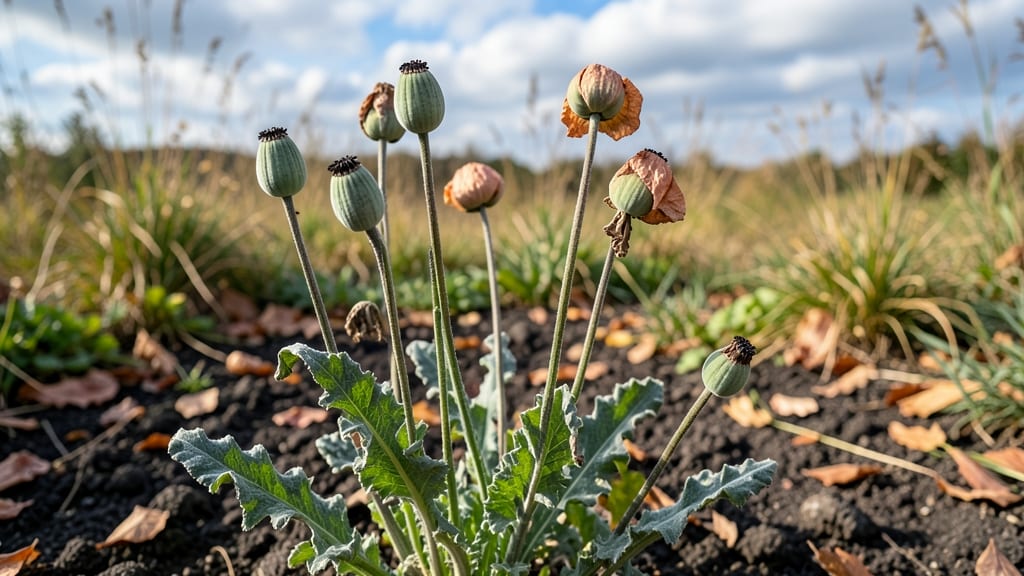
Those moisture-loving oriental poppy seed pods are nature’s secret weapon for effortless seed extraction—no more struggling with dried, brittle pods that crumble at the touch. 🌿 I’ve learned the hard way that letting them mature on the plant until they’re plump and slightly damp makes all the difference, turning a frustrating harvest into a satisfying, almost meditative process.
The key lies in patience and the right conditions: well-draining soil, full sun, and consistent moisture without soggy roots. Oriental poppies thrive in USDA zones 3-9, and their papery, globe-shaped pods develop best when given space to breathe.
Once ripe, they release seeds with the gentlest touch, leaving you with perfect pods for crafts, dried arrangements, or even culinary uses (like poppy seed tea).
You’ll know they’re ready when the pods turn a deep, papery brown and feel slightly damp to the touch—this is when they release seeds with the lightest pressure. The process feels almost magical, like watching nature’s own seed dispenser at work.
Preserve the pods by hanging them in a dry, shaded spot until completely dry, then store them in a breathable container for future use.
This method works for both gardeners and crafters, whether you’re filling vases with dried pods or saving seeds for next year’s garden. The secret? Let the pods stay on the plant just a little longer than you think they need—nature handles the rest.
📚 In This Guide
- What you need
- Instructions
- Tips and common mistakes
- Wrapping up and next steps
What you need
- ● Fresh or dried oriental poppy seed pods: 5–10 mature pods (ensure they’re fully dry and brown for best results).
- ● Pruning shears or sharp scissors: For harvesting pods from stems (sterilized with rubbing alcohol).
- ● Brown paper bags or breathable fabric sacks: 2–3 medium-sized bags to store pods while drying.
- ● Flat drying surface: A wire rack, tray, or clean towel (avoid direct sunlight to prevent premature seed release).
- ● Small sieve or fine mesh strainer: 6–8 inches in diameter for sifting seeds later.
- ● Air-tight glass jars or containers: 1–2 quart-sized jars with lids for seed storage.
- ○ Gloves (optional): Protects hands from prickly stems (nitrile or cotton works well).
- ● Labeling tags: For marking jars with harvest dates.
- ○ Hair dryer (low heat, optional): Speeds up drying for impatient crafters!
- ● Wooden spoon or rolling pin: Gently taps pods to release seeds (if not using a sieve).
- ○ Food processor (optional): For large batches—pulse pods briefly to separate seeds.
Step-by-Step guide to extracting oriental poppy seeds naturally
Here’s how to gently coax open those iconic poppy seed pods without damaging a single seed.
🌱 Step 1: Harvest Pods at Peak Ripeness
Wait until the pods turn a dry, papery brown and begin splitting open naturally—this usually happens 6-8 weeks after flowering. The moment they start cracking, they’re ready. I like to harvest on a dry morning when dew has evaporated but humidity is still low. This prevents premature seed loss.
Gently twist each pod from the stem with your fingers, being careful not to crush it. If a pod resists, it’s not ready yet. Place them in a single layer on a clean, dry surface—crowding them will trap moisture and cause mold. A baking sheet works perfectly for this.
☀️ Step 2: Dry Pods Under Controlled Conditions
Find a warm, dry spot with good air circulation—a sunny windowsill or a well-ventilated room works best. Avoid direct sunlight, which can overheat the pods and scorch them. I usually set them on a mesh screen or paper towel to allow airflow on all sides. This step is critical for maintaining seed viability.
Leave them undisturbed for 3-5 days, checking daily for signs of moisture. If condensation forms on the pods or the surface beneath them, move them to a drier location immediately. The goal is to dry them completely—you’ll know they’re ready when the pods feel light and brittle to the touch.
💧 Step 3: Use Moisture to Trigger Seed Release
Once fully dried, place the pods in a paper bag and seal it loosely. This creates a humid microclimate that encourages the pods to open naturally. I like to give the bag a gentle shake every 12 hours to help loosen the seeds inside. You’ll hear them rattling within 24-48 hours—that’s your cue they’re ready.
If pods aren’t opening after 3 days, try a slightly more aggressive method: place them in a sealed container with a damp paper towel for 1 hour. The moisture will trigger the pods to split open without damaging the seeds. Avoid soaking them—just enough dampness to encourage release.
✂️ Step 4: Collect and Store Seeds Properly
Once the pods have opened, carefully pour the contents onto a clean surface. Use a small sieve or fine mesh to separate seeds from chaff. I like to do this over a piece of white paper—it makes spotting and collecting the seeds much easier. Discard any debris or empty pod fragments.
Store the seeds in an airtight container, like a small glass jar, in a cool, dark place. They’ll keep for 2-3 years if stored properly. Label the container with the date and variety—poppy seeds lose viability quickly, and you’ll want to use the oldest seeds first.
Tips & tricks for perfect oriental poppy seed extraction
Here's what nobody tells you about getting every last seed out without the hassle.
Timing Secret: In Step 2, that 3-5 day drying window is your sweet spot—don't rush it! I've learned the hard way that cutting it short leads to stubborn pods that won't open later. If your kitchen is humid, add an extra day. You'll know they're ready when they feel light as paper and make a crisp noise when you tap them together.
Harvesting Insight: For Step 1, harvest pods on a dry morning when dew has evaporated. This prevents premature seed loss during the drying process. I've found that harvesting at mid-morning gives me the best results—early morning dew can make pods too damp, while afternoon heat can cause them to split too quickly. The goal is to start with perfectly dry pods.
Moisture Control: In Step 3, that 1-hour damp treatment is your secret weapon for stubborn pods. I've had success using a spray bottle instead of a paper towel—just lightly mist the pods until they look slightly damp, then seal the container. This gives you more control over the moisture level. The key is to avoid soaking them completely, as this can lead to mold.
Storage Wisdom: When storing your extracted seeds in Step 4, consider adding a small packet of silica gel to your airtight container. This helps absorb any residual moisture that could shorten their shelf life. I also like to store my seeds in the refrigerator for extra freshness, though they'll keep fine at room temperature if you're using them within a few months.
Pro Tips for Oriental Poppy Seed Pods
- Here's what nobody tells you about getting every last seed out without the hassle.
- Timing Secret: In Step 2, that 3-5 day drying window is your sweet spot—don't rush it!
- Harvesting Insight: For Step 1, harvest pods on a dry morning when dew has evaporated.
Frequently asked questions
Got questions about oriental poppy seed pods and their moisture-release magic? You’re not alone!
Here are some of the most common queries—plus quick, practical answers to help you master seed extraction like a pro.
How do I know when oriental poppy seed pods are ready to harvest?
Harvest pods when they’re fully dry and papery—usually 4–6 weeks after flowering. Gently tap them: if seeds rattle inside, they’re ready! Avoid harvesting too early (green pods) or too late (pods may split open and scatter seeds). Morning harvests yield the freshest pods for moisture control.
Why do my oriental poppy seed pods stick together even after drying?
Sticky pods often mean high humidity or uneven drying. Try these fixes:
- Spread pods in a single layer on a mesh screen in a well-ventilated, dry spot (like a garage or under a shade cloth).
- Use a dehumidifier or silica gel packets nearby to absorb excess moisture.
- If pods are still damp, let them air-dry for 24–48 more hours.
Can I use oriental poppy seed pods for anything other than seed extraction?
Beyond seeds, these pods are versatile garden helpers:
- Natural mulch: Crushed pods add organic matter to soil as they decompose.
- Dried arrangements: Their unique texture adds rustic charm to wreaths or centerpieces.
- Seed paper: Blend dried pods with pulp to make biodegradable plantable paper.
How long does it take for oriental poppy seed pods to release moisture naturally?
With proper drying, pods release moisture in 5–10 days under ideal conditions (warm, dry, and well-ventilated). If your climate is humid, extend drying time to 2–3 weeks. Monitor daily: pods should feel light as paper and open easily when squeezed.
What if my oriental poppy pods won’t open to release seeds?
Try these troubleshooting steps:
- Freeze them: Place pods in a paper bag and refrigerate for 24 hours to shock them open.
- Bake gently: Spread pods on a baking sheet at 200°F (93°C) for 10–15 minutes—just enough to loosen seeds.
- Hand-crush: Use a rolling pin or mortar and pestle to gently break open stubborn pods.
Wrapping up and next steps
From their striking beauty to their practical uses, oriental poppy seed pods offer a unique blend of nature’s elegance and functionality. Whether you’re harvesting seeds for culinary delights or simply admiring their delicate charm, these pods make the process effortless and rewarding.
Now that you’re equipped with the right knowledge, why not give it a try? Grab a pair of gloves, step into your garden, and experience the joy of easy seed extraction—your lawn (and taste buds!) will thank you. 🌸
🌱 Ready for More?
Want to explore other garden-friendly hacks or dive deeper into seed-saving techniques? Check out our guides on preserving seeds long-term or creating a low-maintenance pollinator garden—your green thumb journey is just getting started!