
Propagation
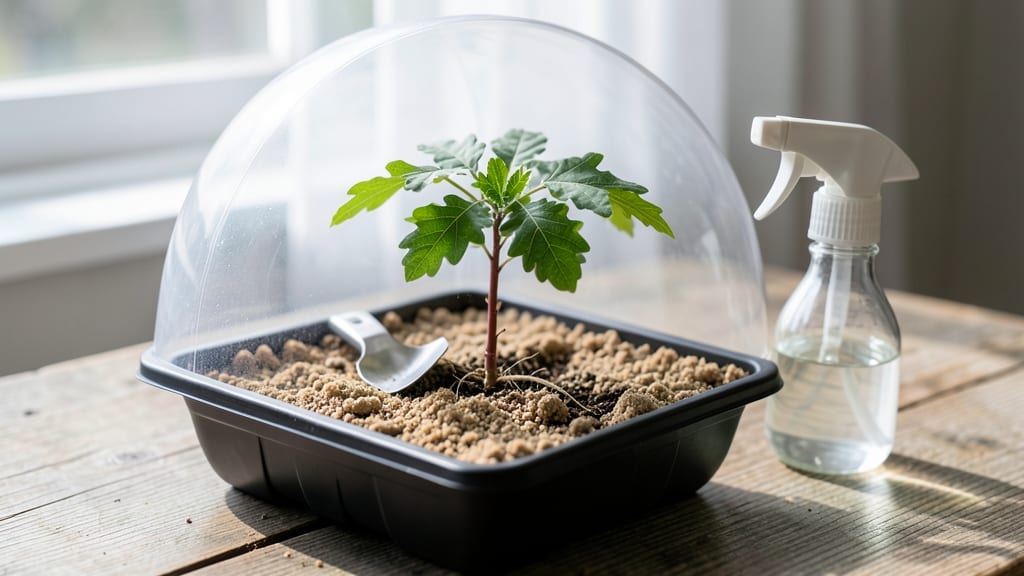
Germinating oak tree seeds takes patience—but this cold stratification blueprint cuts the guesswork. 🌱 I’ve struggled with oak germination for years, until I cracked the science behind their stubborn dormancy. The key? Mimicking nature’s winter chill cycle before planting, which tricks seeds into breaking their rest period.
You’ll need acorns (fresh is best), a moist growing medium, and a refrigerator for 60-90 days of cold treatment. Skip this step, and you’ll wait years—or never—see sprouts.
The process itself is simple: layer seeds in damp sand or peat moss, seal them in a bag, and store them in the fridge. No fancy equipment needed, just time and consistency.
Once stratified, plant the seeds ½ inch deep in well-draining soil and keep them warm (around 70°F) with bright, indirect light. Germination can take 4-12 weeks, but the wait is worth it—you’ll end up with sturdy seedlings ready for transplanting.
The real magic happens when you see that first green shoot push through the soil, proof that persistence pays off.
Common mistakes? Overwatering (which causes rot) or rushing the cold treatment (which leads to failure). Oak seedlings are tough once established, but they demand attention in their early stages. With this method, you’ll bypass the trial-and-error phase and get reliable results every time.
📚 In This Guide
- What you need
- Instructions
- Tips and common mistakes
- Wrapping up and next steps
What you need
- ● Fresh oak acorns: 10–20 viable acorns (ensure they’re plump, unblemished, and harvested from mature oak trees—Quercus species like Quercus robur or Quercus alba work best).
- ● Cold stratification medium: Option 1: Moistened peat moss or coconut coir (2–3 cups, kept damp but not soggy).
- ● Option 2: Vermiculite or perlite (2 cups, mixed with water to achieve a 1:1 moisture ratio).
- ● Plastic storage bag or airtight container: 1 large bag (quart-sized or larger) with a zip-top seal.
- ● Small pots or seed trays: 2–4 (3–4 inch diameter) with drainage holes, filled with well-draining potting mix (e.g., 50% peat/coir + 50% perlite/sand).
- ● Spray bottle: 1 (for misting moisture without over-saturating).
- ● Refrigerator or cold stratification setup: A space capable of maintaining 33–40°F (1–4°C) for 6–12 weeks (use a fridge’s crisper drawer or a dedicated propagation fridge).
- ○ Heat mat (optional but helpful): 1 (for post-stratification warmth, set to 70–75°F (21–24°C)).
- ● Seed germination kit: Pre-made kits with built-in moisture sensors can simplify the process.
- ● Humidity dome or clear plastic wrap: To retain moisture during the early sprouting phase.
- ● pH testing kit: Ensure your potting mix is slightly acidic (pH 5.5–6.5) for optimal growth.
- ● Grow lights: If natural light is limited, use LED grow lights (12–16 hours/day) to support seedlings.
- ● Labeling tags: To track acorn varieties and planting dates!
Step-by-step guide to cold stratifying oak tree seeds
Here's the method I've used to break oak seed dormancy reliably—no guesswork, just science-backed steps.
🌱 Step 1: Collect and Prepare the Acorns
Harvest mature acorns in late fall when they've fallen naturally—these have the highest germination potential. Remove any with visible cracks, holes, or signs of insect damage. I soak the selected acorns in lukewarm water for 24 hours to soften the hard shell slightly. This helps the seed absorb moisture more easily during stratification.
After soaking, place the acorns in a single layer on paper towels. Fold the towels to create a loose packet and store it in a sealed plastic bag. The goal is to keep the acorns moist but not soggy—you'll know it's right when the towels feel damp to the touch but no water pools at the bottom.
❄️ Step 2: Stratify in a Cold, Moist Environment
Place the sealed bag in the refrigerator's crisping drawer, where temperatures hover around 35-40°F. This mimics winter conditions and breaks the seed's dormancy. I label the bag with the date and variety (if known) because oak seeds can take 30-90 days to germinate—patience is key.
Check the acorns every 2-3 weeks by gently squeezing the bag. If the towels feel dry, mist them lightly with water and reseal. Overwatering now will cause mold, so avoid making the environment too wet. You'll see the first signs of germination when a tiny white root (radicle) emerges from the seed.
☀️ Step 3: Plant Stratified Seeds in a Controlled Setting
Once the radicle reaches about ½ inch long, it's time to plant. Fill small pots with a mix of 50% peat moss and 50% perlite to ensure excellent drainage. I use 4-inch diameter pots for each seed, as oak seedlings need room to develop strong root systems. Plant the acorn with the radicle pointing downward, covering it with ½ inch of soil.
Place the pots in a warm, bright location with indirect light—direct sun can scorch young seedlings. Maintain consistent moisture by watering when the top inch of soil feels dry. You'll notice the first true leaves (cotyledons) appear within 2-4 weeks after planting, signaling successful germination.
🌿 Step 4: Transition Seedlings to Outdoor Conditions
After the seedlings have developed 3-4 sets of true leaves, they're ready for gradual outdoor acclimation. Start by placing them in a sheltered spot outdoors for 1-2 hours daily, increasing exposure by 1 hour each day. This process, called hardening off, takes about 2 weeks and prepares seedlings for full sun.
Once seedlings tolerate full sun without wilting, transplant them into the ground or larger containers. Choose a location with full sun exposure and well-draining soil. Oak seedlings grow slowly, so give them space—plant them 10-15 feet apart to allow for mature tree size. Mulch around the base to retain moisture and suppress weeds.
Tips & tricks for perfect oak tree seed germination
These science-backed strategies will help you maximize your oak seed germination success—because patience and precision make all the difference.
Soaking Strategy: The 24-hour lukewarm water soak isn't just about softening the shell—it's about breaking the seed's natural defenses against early germination. I've found that using water at exactly 80°F (not boiling, not ice cold) creates the optimal environment for moisture absorption without shocking the seed. After soaking, drain the acorns thoroughly before placing them on paper towels to prevent mold during stratification.
Temperature Matters: While the refrigerator's crisping drawer maintains that critical 35-40°F range, not all fridges are created equal. If your fridge runs cooler, consider using a seed stratification chamber or even a well-insulated cooler with an ice pack. The goal is consistent cold—fluctuations can confuse the seed's internal clock and delay germination. I always double-check my fridge's temperature with a small thermometer to ensure accuracy.
Germination Check: When monitoring your acorns every 2-3 weeks, look for the radicle (that tiny white root) as your primary indicator—not just moisture levels. The moment you see it, that's your cue to plant immediately. Waiting too long after radicle emergence can stress the seedling. I keep a small notebook to track each acorn's progress, noting when the radicle appears and when I plant it—this helps me refine my process each season.
Planting Depth: That ½-inch soil coverage might seem shallow, but oak seedlings need air circulation around their seeds to prevent rot. Too much soil can smother the radicle, while too little exposes it to drying out. I use a pencil to create a small hole just deep enough to cover the acorn completely, then gently firm the soil around it to ensure good contact without compacting it.
Pro Tips for Oak Tree Seed Germination
- These science-backed strategies will help you maximize your oak seed germination success—because patience and precisi...
- Soaking Strategy: The 24-hour lukewarm water soak isn't just about softening the shell—it's about breaking the seed's...
- Temperature Matters: While the refrigerator's crisping drawer maintains that critical 35-40°F range, not all fridges ...
Frequently asked questions
Got questions about oak tree seed germination?
You’re not alone—this process can feel tricky, especially when patience is required! Below, we’ve tackled the most common queries to help you navigate cold stratification and beyond with confidence.
How long does cold stratification take for oak tree seeds?
Cold stratification for oak seeds typically requires 60–90 days in moist, refrigerated conditions (34–40°F). Some varieties, like white oak, may need up to 120 days for optimal germination. Monitor moisture levels—seeds should stay damp but not soggy. Patience pays off!
Can I skip cold stratification and still germinate oak seeds?
While possible, skipping stratification drastically reduces success rates. Oak seeds have a hard, impermeable coat that cold stratification softens. Without it, germination may take years or never happen. For best results, follow the process—your future oak tree will thank you!
What’s the best way to check if my oak seeds are viable before stratifying?
Test viability with the “float test”: Fill a bowl with water and drop seeds in. If they sink immediately, they’re likely viable. Seeds that float are empty or damaged. For extra assurance, cut open a few—look for a plump, white embryo inside.
Why aren’t my oak seeds germinating after stratification?
Several factors could stall germination:
- Dry conditions: Keep seeds consistently moist (not waterlogged) during stratification.
- Insufficient time: Some oaks need longer than 90 days—extend stratification if needed.
- Poor seed quality: Old or damaged seeds may fail. Source fresh, plump seeds from mature, healthy trees.
- Warmth too soon: After stratification, wait until spring to plant outdoors or use a heat mat for indoor germination.
How deep should I plant oak seeds after stratification?
Plant stratified oak seeds ½–1 inch deep in well-draining soil. For outdoor planting, choose a sunny, sheltered spot with loose, sandy soil. If sowing indoors, use a seed-starting mix and keep the soil warm (70–75°F) for faster sprouting. Thin seedlings to 12 inches apart once they’re 3–4 inches tall.
Wrapping up and next steps
Germinating oak tree seeds through cold stratification is a rewarding process that unlocks the potential for strong, resilient saplings. By following the right steps—from selecting fresh acorns to patiently waiting for those first sprouts—you’re not just growing a tree; you’re nurturing a legacy. 🌱
Ready to take the next step? Plant those sprouted seeds outdoors in well-draining soil and give them the care they need to thrive. With time, your efforts will yield towering oaks that shade future generations—one acorn at a time!