
Lawn
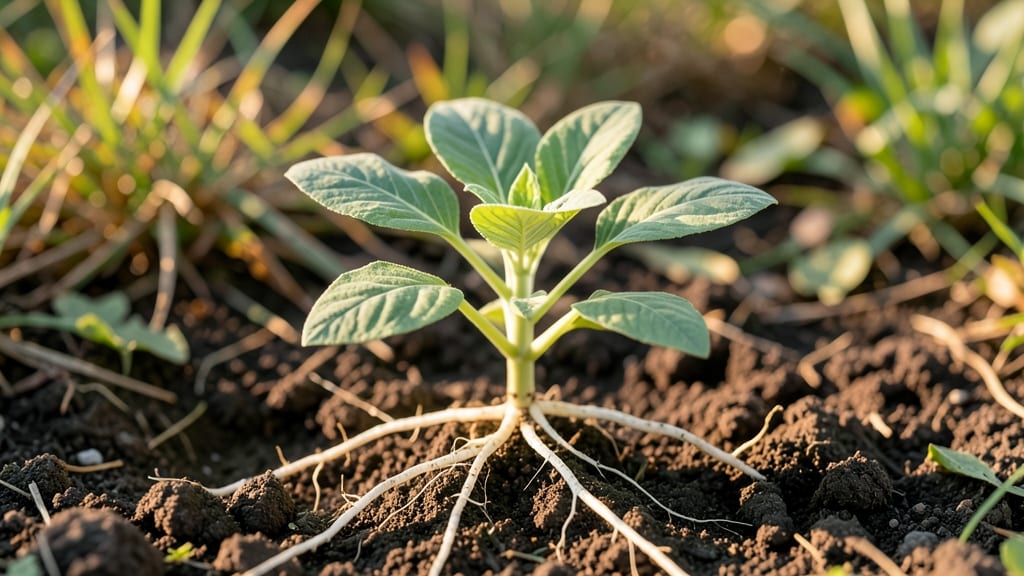
Mustard seed roots need a cold stratification trick to break dormancy—skipping this step means waiting weeks for germination (or giving up entirely). 🌱 I learned this the hard way after planting seeds in spring and watching them sit stubbornly in the soil for three weeks.
The secret isn’t complicated: a little winter chill mimics natural conditions, waking up those tiny seeds so they’ll sprout reliably when you want them to.
You’ll need just three things: mustard seeds, a damp paper towel, and your fridge’s crisper drawer. The process takes about 2 weeks, and it transforms stubborn seeds into eager little sprouts.
No fancy equipment—just patience and a little science. Once stratified, you’ll see roots emerge within 3-5 days after planting, with sturdy seedlings ready for transplanting in just 2-3 weeks.
What you end up with is a batch of uniform, strong-rooted mustard plants that outpace anything grown from unstratified seeds. The roots grow deeper and faster, meaning better drought resistance and healthier greens. Plus, you’ll avoid the frustration of patchy germination that leaves bare spots in your garden beds.
This method works for outdoor planting in cool climates or for starting seeds indoors 4-6 weeks before your last frost. Whether you’re growing mustard for greens, cover crops, or even as a living mulch, the cold trick ensures you’ll get the results you want—without the guesswork.
📚 In This Guide
- What you need
- Instructions
- Tips and common mistakes
- Wrapping up and next steps
What you need
- ● Mustard seeds: Choose Brassica juncea or Sinapis alba (white mustard) for best results. You’ll need about 1–2 teaspoons (5–10g) for a small batch.
- ● Growing medium: Option 1: Peat moss or coconut coir (sterile, well-draining, and moisture-retentive). Use 2–3 cups per batch.
- ● Option 2: Potting soil mix (50% peat moss + 50% perlite/vermiculite) for better aeration.
- ● Containers: Small seed trays (with drainage holes) or plastic zip-top bags (for wet stratification).
- ○ Optional: Paper towels (for pre-soaking seeds if needed).
- ● Refrigerator: A standard fridge set to 34–40°F (1–4°C) for stratification.
- ● Spray bottle: For lightly misting seeds (avoid soaking!).
- ● Plastic wrap or humidity dome: To retain moisture during cold treatment.
- ● Grow lights: LED or fluorescent bulbs (12–16 hours/day) for indoor germination.
- ● Heat mat: A seedling heat mat (70–75°F) to speed up germination post-stratification.
- ● pH test kit: Ensure your soil is 6.0–7.0 (mustard seeds prefer slightly acidic to neutral soil).
- ● Fertilizer: A balanced 10-10-10 or fish emulsion (diluted) for transplanting.
Step-by-Step instructions for growing mustard seed roots
Cold stratification unlocks stubborn mustard seeds—here's how to break dormancy reliably.
🌱 Step 1: Select and Prepare Mustard Seeds
Choose high-quality, organic mustard seeds from a trusted source—old or stored seeds may have reduced viability. I like to soak them first in lukewarm water for 12 hours to soften the outer coating, which speeds up germination. After soaking, drain them thoroughly and spread them on a paper towel to dry slightly—just until they no longer feel damp to the touch.
This pre-treatment mimics natural winter conditions and signals the seeds it's safe to sprout. If you skip soaking, expect 2-3 weeks longer for germination, and some seeds may never break dormancy. Store-bought seeds often have chemical coatings that require this extra step.
❄️ Step 2: Cold Stratify for 4-6 Weeks
Place the prepared seeds in a sealed plastic bag with a damp paper towel—just enough moisture to keep the towel damp, not soggy. I use a quart-sized freezer bag and label it with the date. Store the bag in your refrigerator's crisp drawer (around 34-40°F), where it stays consistently cold without freezing.
Check the seeds weekly—if the paper towel dries out, mist it lightly with water and reseal the bag. After 4-6 weeks, the seeds will have undergone the cold treatment they need to break dormancy. You'll notice no visible changes yet, but internally, their metabolic processes have shifted to prepare for germination.
🪴 Step 3: Plant in Moist, Well-Draining Soil
Fill small pots (around 2-3 inches deep) with a mix of 50% potting soil and 50% perlite to ensure excellent drainage—mustard roots hate soggy conditions. Moisten the mix until it feels like a damp sponge, then plant 2-3 seeds per pot, pressing them ¼ inch deep into the soil.
Cover the pots with plastic wrap or a humidity dome to retain moisture and warmth. Place them in a warm spot (around 70-75°F) away from direct sunlight for the first 7-10 days. You'll see the first signs of germination as tiny white roots emerge from the seeds—this is your cue that the cold stratification worked.
☀️ Step 4: Provide Light and Monitor Growth
Once seedlings emerge, remove the plastic cover and move the pots to a location with bright, indirect light for 1-2 weeks to prevent leggy growth. Gradually introduce direct sunlight over 5-7 days to harden the seedlings. Mustard roots thrive in full sun but can scorch if exposed too quickly.
Water gently from the bottom of the pots to avoid disturbing the delicate roots. You'll know the seedlings are ready for transplanting when they develop 2-3 sets of true leaves (not the initial seed leaves). At this stage, they'll be sturdy enough to handle outdoor conditions if your climate allows.
✂️ Step 5: Thin and Transplant for Strong Roots
Thin the seedlings to the strongest plant per pot, snipping the others at soil level with clean scissors. Mustard roots grow aggressively, so give them space—transplant them into 6-inch pots or directly into the garden 12-18 inches apart for optimal root development.
After transplanting, water deeply to settle the soil around the roots and encourage new growth. You'll see the roots establish themselves within 2-3 weeks, and the plant will start producing lush foliage. Mustard roots are hardy once established, but they need consistent moisture during their first 4-6 weeks to develop a strong root system.
Tips & tricks for perfect mustard seed root germination
Here's what nobody tells you about breaking dormancy—these tricks will transform your germination success rate.
Soaking Strategy: That 12-hour lukewarm water soak in Step 1 isn't just about softening the seed coat—it's about breaking the chemical barrier that prevents germination. I've found that using filtered water instead of tap water reduces mineral buildup that can inhibit sprouting. After soaking, pat the seeds dry thoroughly; any residual moisture can lead to mold during cold stratification.
Cold Stratification Precision: The 4-6 week cold treatment at 34-40°F is non-negotiable for mustard seeds, but here's the secret: consistency matters more than exact timing. If your fridge runs cooler (around 32°F), you can safely extend to 8 weeks without harm. The key visual cue is when the paper towel remains damp but not wet—this moisture balance is what triggers internal metabolic changes. I label my bags with the start date to avoid guesswork.
Planting Depth Matters: When planting those 2-3 seeds per pot in Step 3, resist the urge to bury them deeper than ¼ inch. Mustard seeds need light to germinate, and excessive depth creates anaerobic conditions that prevent sprouting. The soil mix should feel like a damp sponge—press gently around the seeds to ensure good soil contact without compacting. This is where many gardeners go wrong and wonder why their seeds "disappear."
Light Transition Hack: That gradual 5-7 day introduction to direct sunlight in Step 4 is critical for hardening seedlings. I start by placing pots near an east-facing window where they get morning sun only, then move them to a south-facing window over the next few days. This mimics natural sunlight progression and prevents the seedlings from getting sunburned. Watch for the first true leaves to unfurl—this is your signal they're ready for more intense light.
Pro Tips for Mustard Seed Roots
- Here's what nobody tells you about breaking dormancy—these tricks will transform your germination success rate.
- Soaking Strategy: That 12-hour lukewarm water soak in Step 1 isn't just about softening the seed coat—it's about brea...
- Cold Stratification Precision: The 4-6 week cold treatment at 34-40°F is non-negotiable for mustard seeds, but here's...
Frequently asked questions
Got questions about growing mustard seed roots? You’re not alone! Here are some of the most common concerns—and straightforward answers—to help you succeed with your cold stratification project.
How long does cold stratification take for mustard seed roots?
Cold stratification typically takes 4–8 weeks for mustard seeds. Place them in a sealed container with moist paper towels in the fridge (34–40°F). Check periodically to ensure they stay damp but not soggy. Patience is key—rushing can reduce germination rates!
Can I skip cold stratification for mustard seeds?
While possible, cold stratification significantly improves germination rates (often from 50% to 90%+). Without it, seeds may sprout erratically or not at all. If you’re short on time, try soaking seeds in warm water for 24 hours before planting—but cold stratification is still the gold standard.
What’s the best soil mix for growing mustard seed roots?
Use a well-draining, lightweight mix like 60% potting soil + 30% perlite + 10% compost. Mustard roots prefer loose soil to avoid rot. Avoid heavy clay—it can suffocate tender seedlings. A slightly acidic to neutral pH (6.0–7.0) works best.
My mustard seeds aren’t germinating—what went wrong?
Check these common culprits:
- Too dry/wet: Seeds need consistent moisture (like a damp sponge). Adjust your container’s humidity.
- Incorrect temps: Fridge stratification must stay below 40°F. A warmer fridge or heat source can break dormancy prematurely.
- Old seeds: Mustard seeds lose viability after 2–3 years. Test a few in warm water—if they sink, they’re likely still good.
Can I grow mustard seed roots indoors year-round?
With grow lights (12–14 hours/day) and proper stratification, you can grow them indoors anytime. Just ensure good airflow to prevent fungal issues. For best results, transplant seedlings outdoors in spring or fall when temps are mild (50–75°F).
Wrapping up and next steps
Growing mustard seed roots with cold stratification isn’t just a trick—it’s your secret weapon for reliable, fast, and healthy germination! 🌱 Whether you’re prepping for a thriving garden or just experimenting, this method proves that patience and a little chill can yield big rewards.
Now that you’re armed with the right techniques, dive in and try it yourself—your future mustard greens (or even mustard trees!) will thank you.
Ready to take the next step? Start small: plant a few seeds this week and observe the magic of cold stratification firsthand. Who knows? You might just discover a new favorite way to grow!