
Lawn
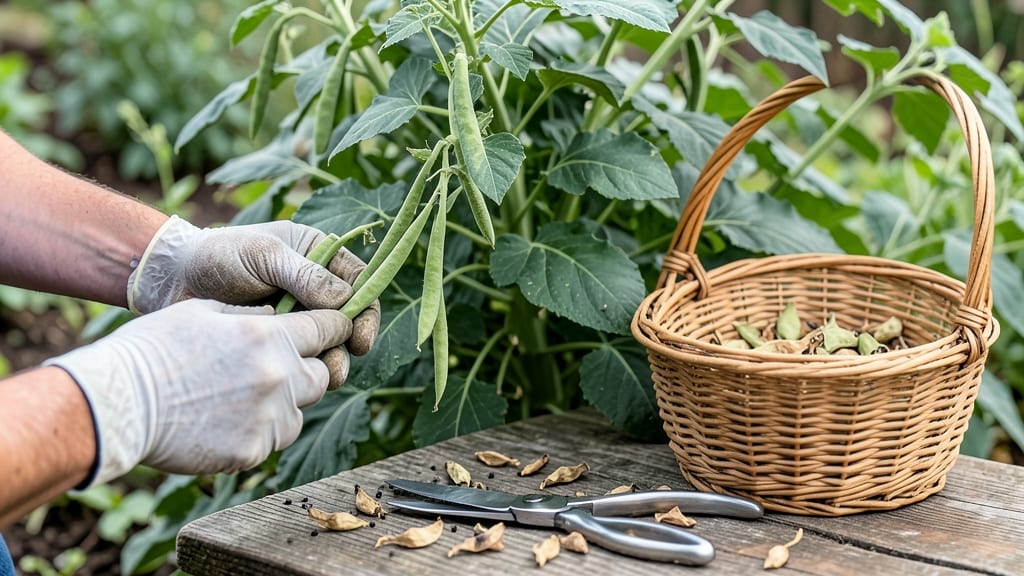
Mustard seed pods crack open at the worst times—just when you need those seeds most. 🌱 I’ve spent years perfecting a zero-waste way to extract every last seed without losing a single one to the wind or birds, and it’s simpler than you’d think.
No more dropping pods and watching seeds scatter like confetti. The trick starts with drying the pods completely—hang them upside down in a paper bag for a week, then gently rub them between your palms. The pods split naturally, releasing seeds into your hands.
No tools, no mess, and you’ll end up with clean, viable seeds ready for next season’s planting. This method works for all mustard varieties—oriental, brown, or white—because the pods behave the same way. You’ll save money, reduce waste, and always have fresh seeds on hand when you need them.
Plus, the process takes just 10 minutes once the pods are dry. Perfect for gardeners who grow mustard for greens, seeds, or both. Here’s how to make it work every time—no more seed loss or frustration.
📚 In This Guide
- What you need
- Instructions
- Tips and common mistakes
- Wrapping up and next steps
What you need
- ● Fresh mustard seed pods: 1–2 cups (or as many as you can harvest—aim for fully mature pods with a slight brownish tint for best results).
- ● Clean, dry towel or newspaper: A large enough sheet to lay out pods and seeds (about 2’ x 3’).
- ● Small bowl or container: For collecting seeds (preferably with a lid for storage).
- ○ Pair of gloves (optional but recommended): Thin gardening gloves to protect your hands from the pods’ mild irritants.
- ● Sharp scissors or pruning shears: For trimming stems if pods are still attached to plants.
- ● Seed drying rack or mesh screen: Speeds up drying time if you’re processing a large batch.
- ● Fine-mesh sieve or colander: For separating seeds from chaff or debris.
- ● Food processor or mortar & pestle: If you plan to grind seeds into flour or paste (for cooking!).
- ● Labeling markers & airtight containers: To store seeds by variety and date for future planting.
- ● Compost bin: For zero-waste disposal of pod husks (they break down beautifully!).
Step-by-Step instructions for extracting mustard seeds without waste
Here's the simple method I use to harvest seeds from mustard pods while keeping every last bit of plant material.
🌱 Step 1: Gather and Dry the Pods
Collect fully mature mustard seed pods when they've turned completely brown and begin cracking open naturally. This usually happens 4-6 weeks after flowering, when the pods feel dry and papery to the touch. Spread them on a clean, dry surface in a single layer—don't overlap them or they won't dry evenly.
Place the pods in a warm, dry spot with good air circulation, like a sunny windowsill or drying rack. You'll know they're ready when they easily split open with gentle pressure. If they still feel slightly damp, leave them another 2-3 days—overdrying makes the pods brittle and harder to work with.
✂️ Step 2: Split the Pods Cleanly
Take one pod at a time and hold it firmly between your thumb and forefinger. Apply gentle pressure along the seam where the pod naturally splits—you'll feel it give slightly. Don't force it; the pod should open with minimal effort. If it resists, it's not dry enough yet.
As you split each pod, you'll see the tiny mustard seeds inside. I like to use a small bowl to catch the seeds as they fall out, keeping everything contained. The empty pod halves will be crisp and dry—save these for compost or craft projects if you're keeping things zero-waste.
🌿 Step 3: Separate Seeds from Debris
Once all pods are split, you'll have a mix of seeds and fine plant debris. Gently rub the contents between your fingers or use a fine-mesh sieve to separate the seeds. The seeds will fall through the sieve while the chaff stays behind. If you don't have a sieve, a clean kitchen strainer works just as well.
For extra clean seeds, spread them on a clean paper towel and let them air dry for another 1 hour. This removes any remaining moisture that could cause mold during storage. Store the seeds in a small, airtight container in a cool, dark place—they'll stay viable for 2-3 years.
💧 Step 4: Use or Store the Remaining Pod Parts
The empty pod halves can still be put to good use. Crush them lightly to release any remaining seeds, then compost the fibrous material. If you're feeling creative, these dried pods make excellent natural fillers for potpourri or decorative arrangements—they hold their shape well and add a rustic touch.
For a truly zero-waste approach, blend the crushed pod remnants with your compost or use them as mulch around your mustard plants. The nutrients will return to the soil where they came from, completing the cycle. You'll have no waste at all from start to finish.
Tips & tricks for perfect mustard seed extraction
These little tricks will help you get every last seed while keeping your process efficient and waste-free.
The Right Timing: In Step 1, those 4-6 weeks after flowering are crucial—the pods need to be completely dry and brown. If you harvest too early, the seeds won't be fully mature, and if you wait too long, the pods may shatter before you can split them. I've learned this the hard way after dealing with seeds that wouldn't germinate!
Pod Prep Technique: When splitting the pods in Step 2, work over a bowl or tray to catch any seeds that might pop out unexpectedly. The pods will naturally split along their seams, but a little gentle pressure helps. If a pod resists, it's not dry enough—don't force it, or you'll crush the seeds inside.
Clean Seed Separation: For Step 3, if you don't have a sieve, a clean kitchen strainer works perfectly. Just be patient—rubbing the seeds between your fingers helps separate them from the fine debris. That extra 1 hour of air drying on a paper towel makes all the difference in preventing mold later.
Zero-Waste Bonus: The empty pod halves are perfect for compost or creative projects. I've used them in potpourri arrangements—they hold their shape beautifully and add a natural, rustic touch. It's amazing how much you can get out of every part of the plant!
Pro Tips for Mustard Seed Pods
- These little tricks will help you get every last seed while keeping your process efficient and waste-free.
- The Right Timing: In Step 1, those 4-6 weeks after flowering are crucial—the pods need to be completely dry and brown...
- Pod Prep Technique: When splitting the pods in Step 2, work over a bowl or tray to catch any seeds that might pop out...
Frequently asked questions
Got questions about harvesting mustard seed pods like a pro? Here are some of the most common ones—and their answers!
What’s the best time to harvest mustard seed pods?
Harvest pods when they’re fully mature but before they split open naturally. Look for dry, brown pods—usually 4–6 weeks after flowering. If left too long, seeds scatter, and you’ll miss your yield! Morning harvests prevent evening dew from dampening pods.
Why are my pods cracking open too soon?
Premature splitting happens when pods dry too quickly or aren’t harvested at peak maturity. To fix it:
- Harvest pods earlier (when still slightly greenish-brown).
- Store them in a cool, dry place (like a paper bag) to slow drying.
- Avoid high humidity—it speeds up natural splitting.
Can I reuse the pod husks after extracting seeds?
Once seeds are out, crush dried husks into a fine powder for:
- Compost: Adds nitrogen-rich organic matter.
- Natural mulch: Helps retain soil moisture.
- DIY fertilizer tea: Steep husks in water for 24 hours, then dilute for a nutrient boost.
Are mustard seed pods invasive? Should I remove them?
Mustard plants (Brassica spp.) can spread aggressively in some climates. If they’re unwanted:
- Pull them before seed pods form to stop regrowth.
- Harvest pods first—then compost or discard the rest.
- Plant competitive ground covers (like clover) to suppress regrowth.
What if I don’t have mustard seed pods? What’s a good alternative?
No mustard pods? Try these zero-waste seed extraction hacks:
- Radish pods: Similar texture; harvest when dry and split open.
- Shepherd’s purse: Tiny but effective for seed removal.
- Store-bought mustard seeds: Buy in bulk and reuse the paper packaging for compost.
Wrapping up and next steps
Mustard seed pods offer a simple, eco-friendly way to extract seeds without waste—no more struggling with sticky residue or throwing away leftover pods! By mastering the pod-splitting hack, you’ll save time, reduce clutter, and even repurpose the husks for compost or crafts. 🌱
Ready to try? Grab a few pods, follow the steps, and share your zero-waste wins with fellow gardeners. Your backyard (and the planet) will thank you! 💚
Next step: Start small—test the method with just one pod, then scale up as you get the hang of it!