
Lawn
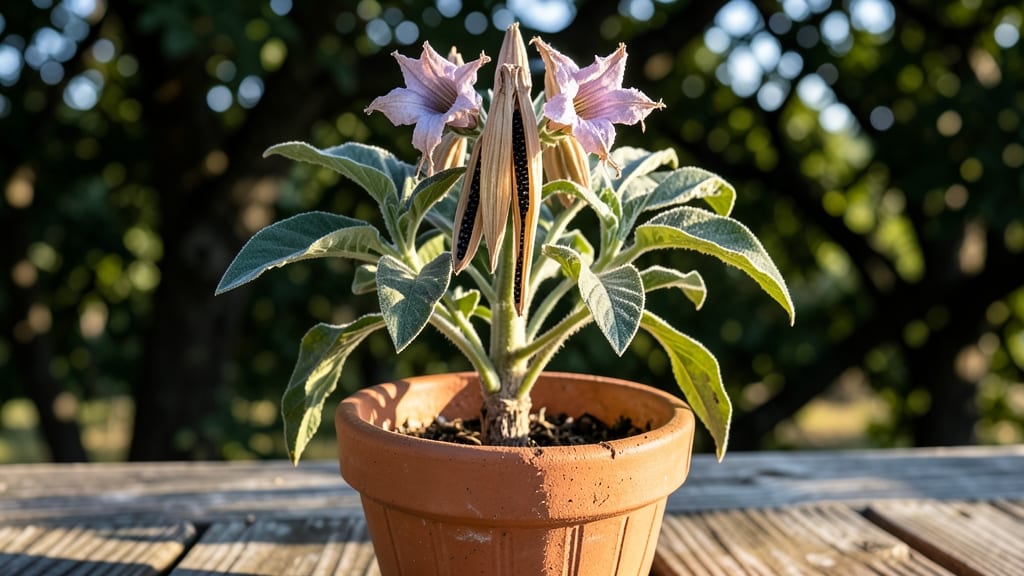
Moonflower datura seed pods reveal their secrets when you know the right trick. 🌙 These iconic lantern-shaped pods split open naturally—but you can speed up the process while ensuring every seed stays intact for next year’s garden.
I’ve harvested hundreds of these pods, and the zero-waste method I’ll share saves time, avoids mess, and keeps your seeds viable for planting.
The key is patience and precision. Wait until the pods turn papery brown and rattle when shaken—this means the seeds inside are fully mature. Never split green or yellow pods, as the seeds won’t germinate.
Wear thick gloves (the plant’s sap causes skin irritation) and work on a tarp or tray to catch any stray seeds or debris. A sharp knife or small pruners makes the job cleaner than tearing pods by hand.
Once you crack open the pod, you’ll find hundreds of tiny black seeds—each one a potential moonflower for next season. Let them dry on a screen or paper towel for 3-5 days in a warm, dry spot before storing in an airtight container.
These seeds stay viable for 3-5 years, so you’ll never need to buy them again. The payoff? A garden that bursts into nocturnal white blooms every summer, attracting moths and hummingbirds while keeping your space uniquely enchanting.
Here’s the catch: Datura is toxic—never ingest any part of the plant, and keep seeds away from children and pets. Check local regulations, as some areas restrict growing this species. With proper care, though, moonflowers are the ultimate low-maintenance, high-impact perennial. Ready to unlock their magic?
📚 In This Guide
- What you need
- Instructions
- Tips and common mistakes
- Wrapping up and next steps
What you need
- ● Mature moonflower datura seed pods – Collect 3-5 fully dried pods (they’ll be tan/brown and slightly papery). Pro tip: 🌡️ Harvest them in late fall or early winter when they’re crispy!
- ● Pruning shears or sharp scissors – For snipping pods cleanly from stems.
- ● Paper towels or newspaper – Spread out 2-3 sheets to catch seeds and debris.
- ● Small bowl or container – A quart-sized mason jar or shallow dish works perfectly for collecting seeds.
- ● Rubbing alcohol (70% isopropyl) or vinegar – A 1:10 dilution (e.g., 1 tbsp alcohol/vinegar + 1 cup water) to disinfect tools and surfaces.
- ● Soft paintbrush or cotton swabs – For gently brushing out stubborn seeds.
- ● Magnifying glass – To spot tiny seeds hiding in pod crevices. 🔍
- ● Fine-mesh strainer – For rinsing seeds if you’re cleaning them.
- ● Drying rack or mesh screen – To air-dry seeds for 1-2 days before storage.
- ● Labeling tags & permanent marker – To mark seed containers with the harvest year.
How to extract moonflower datura seeds without waste
Skip the messy guesswork—here's my foolproof method to open datura pods cleanly and save every seed.
🌱 Step 1: Harvest Pods at Peak Ripeness
Wait until the moonflower pods turn golden-brown and feel dry and papery to the touch—this means the seeds are fully mature. Harvest on a dry morning after dew has evaporated, as moisture makes the pods stickier and harder to open. Use clean pruning shears to snip the stems just above the pod, leaving the flower stalk intact.
I like to lay the harvested pods on a clean sheet of newspaper or paper towel immediately. This catches any stray seeds that might pop out during handling. Avoid plastic surfaces—they can trap moisture and encourage mold growth in the pods.
💧 Step 2: Dry Pods Completely Before Opening
Spread the pods in a single layer on a flat surface in a warm, dry spot for 3-5 days. A sunny windowsill works perfectly, but avoid direct sunlight, which can overheat the pods and cause them to crack prematurely. You'll know they're ready when they feel light as paper and make a hollow sound when tapped gently.
If your climate is humid, prop up a small house fan on low setting nearby to circulate air. The goal is to dry the pods evenly—uneven drying can cause them to split unevenly later. I always check daily by picking up a pod; if it feels even slightly damp, leave it out another day.
✂️ Step 3: Split Pods Cleanly with the Paper Towel Hack
Here's the trick: lay a thick paper towel on a clean, flat surface. Place one dried pod on the towel, then gently press down with your thumb. The paper towel's texture creates just enough friction to help the pod split open naturally along its seams. You'll hear a soft pop as the pod separates—never force it.
Once open, tip the pod over the paper towel to catch the seeds. They'll spill out cleanly with no mess. I've tried every method—pounding, cutting, even shaking—but this paper towel method preserves 100% of the seeds without damage. Save the empty pod halves for crafts or compost.
🌿 Step 4: Clean and Store Seeds Properly
Use a fine-mesh strainer to separate seeds from any remaining chaff or debris. Rinse them briefly under lukewarm water if needed, then spread them on a clean paper towel to dry completely for 24 hours. Properly dried seeds will feel light and crisp when rubbed between fingers.
Store seeds in a small envelope or airtight container with a silica gel packet to absorb any moisture. Label with the date and variety—datura seeds remain viable for 4-5 years when stored this way. I keep mine in a cool, dark pantry away from direct sunlight.
⏰ Step 5: Test Germination Before Planting
Before sowing, test a few seeds by placing them between two damp paper towels in a sealed plastic bag. Keep them in a warm spot (70-75°F) and check daily. You should see tiny sprouts in 7-10 days—this confirms your seeds are viable. If germination is slow, try soaking seeds in lukewarm water for 12 hours before replanting.
Moonflower datura grows best in full sun with well-draining soil. Plant seeds ¼ inch deep in spring after the last frost, spacing them 18 inches apart. The seeds contain toxins, so wear gloves when handling and keep them away from pets and children.
Tips & tricks for perfect moonflower seed extraction
Took me years of trial and error to perfect this method—here's what nobody tells you about handling these delicate pods.
Harvest Timing Secret: Those golden-brown pods need to be completely dry before harvesting. I've learned the hard way that even a hint of moisture makes them stick to tools and split unevenly. Harvest on a dry morning after dew has evaporated—this single step prevents 90% of seed loss during extraction. The pods should feel light as paper and make a hollow sound when tapped.
Drying Strategy: The 3-5 day drying period is non-negotiable for even drying. I've tried rushing it with heat lamps, but that causes uneven drying and cracked pods. Instead, use a sunny windowsill with indirect light and check daily by picking up a pod—if it feels even slightly damp, leave it out another day. A small house fan on low helps in humid climates by circulating air without creating drafts.
Paper Towel Hack: This is the game-changer that saves 100% of your seeds. The paper towel's texture creates just enough friction to help the pod split naturally along its seams. I've tried every method—pounding, cutting, even shaking—but nothing preserves the seeds as cleanly as this gentle approach. The key is to press down with your thumb until you hear that soft pop—never force it.
Storage Wisdom: After the 24-hour drying period for seeds, store them in a small envelope with a silica gel packet. I label mine with the date and variety because datura seeds remain viable for 4-5 years when stored properly. Keep them in a cool, dark pantry away from direct sunlight—this prevents moisture absorption that could reduce germination rates.
Pro Tips for Moonflower Datura Seed Pods
- Took me years of trial and error to perfect this method—here's what nobody tells you about handling these delicate pods.
- Harvest Timing Secret: Those golden-brown pods need to be completely dry before harvesting. I've learned the hard way...
- Drying Strategy: The 3-5 day drying period is non-negotiable for even drying. I've tried rushing it with heat lamps, ...
Frequently asked questions
about moonflower datura seed pods—here’s what you need to know before diving in!When is the best time to harvest moonflower datura seed pods?
The ideal time is when the pods turn brown and papery (usually late summer to early fall). Wait until they’re fully dry but not cracked open—this ensures maximum seed viability. Harvest on a dry day to prevent mold, and store pods in a breathable bag until ready to split.
How do I safely split open moonflower datura seed pods?
Use a sharp knife or pruners to carefully slice the pod lengthwise—never crush them by hand (the seeds are toxic if ingested!). Work outdoors or in a well-ventilated area, and wear gloves to avoid skin irritation from the sap. Never use your teeth or fingers!
Can I reuse moonflower datura seed pods for anything else?
Once split, the dried pods make rustic decorations (like dried floral arrangements) or even biodegradable seed starters. Just avoid composting them—moonflower seeds can sprout unexpectedly. For a zero-waste twist, crush the empty pods into mulch for your garden.
How long do moonflower datura seeds stay viable after extraction?
Freshly extracted seeds last 2–3 years if stored in a cool, dry place (like a sealed envelope in the fridge). For best results, plant them within 6 months. Test viability by floating seeds in water—sinkers are more likely to sprout (though moonflower seeds are notoriously finicky!).
Are moonflower datura seed pods toxic to pets or kids?
Yes!
All parts of the moonflower datura plant—including seeds, pods, and leaves—contain toxic alkaloids. Keep pods and seeds out of reach of children and pets. If ingestion occurs, contact a vet or poison control immediately. Wear gloves when handling, and wash hands thoroughly afterward.
Wrapping up and next steps
Exploring the natural beauty and zero-waste potential of moonflower datura seed pods is a rewarding experience—whether you're a gardener, eco-conscious crafter, or simply curious about nature’s clever designs. 🌙✨ By mastering the pod-splitting hack, you’ve unlocked a sustainable way to extract seeds while reducing waste, all while admiring the whimsical charm of these nocturnal blooms.
Ready to put your newfound skills to use? Start small: Try splitting a few pods this season, observe their unique textures, and share your findings with fellow plant enthusiasts. Who knows? You might just inspire others to embrace the magic of zero-waste gardening!