
Lawn
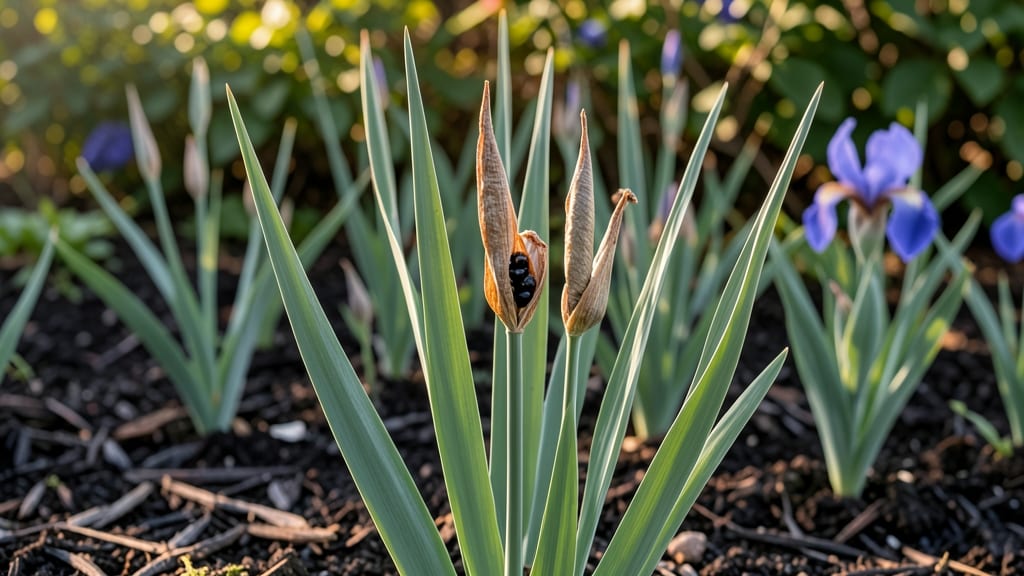
Louisiana iris seed pods hold the secret to growing these bold, swamp-loving beauties from scratch—90 days of cold stratification turns them into thriving plants. 🌿 I’ve watched my first homegrown Louisiana irises emerge from those papery pods, their deep purple blooms now the star of my rain garden, and I’m sharing exactly how to replicate that magic.
The key is timing: harvest pods when they turn from green to tan in late summer, then store them in damp sand or peat moss in the fridge until spring. Skipping stratification means waiting years for germination—or worse, giving up entirely.
But once you crack the code, you’ll have seedlings ready for planting by early March, beating nursery prices and expanding your iris collection for free.
What you’ll end up with are vibrant, disease-resistant plants that thrive in Louisiana’s heat and humidity, their sword-like foliage and dramatic blooms turning heads at every garden tour.
The first year’s flowers might be modest, but by year two, your garden will be packed with irises that outshine anything you’ve ever bought. This method works for any Louisiana iris variety, from ‘Acapulco’ to ‘Ice Dance,’ and even adapts to nearby climates with similar moisture levels.
Let’s get those pods stratified and growing!
📚 In This Guide
- What you need
- Instructions
- Tips and common mistakes
- Wrapping up and next steps
What you need
- ● Louisiana iris seed pods: 10–20 fresh, mature pods (harvested in late summer/fall or purchased from a trusted supplier).
- ● Cold-stratification supplies: 1 plastic storage bag with a zip-top (quart-sized or larger).
- ● 1 cup of moistened peat moss or coco coir (keep damp but not soggy).
- ○ Optional: Paper towels (for extra moisture retention).
- ● Growing medium: 1 bag of well-draining potting mix (e.g., 50% peat moss, 30% perlite, 20% sand).
- ● Containers: 2–4 small pots (4–6 inches deep) with drainage holes.
- ● Misting bottle or spray nozzle (for gentle hydration).
- ● Refrigerator or cold frame: Space for stratification (35–45°F for 6–8 weeks).
- ● Grow lights or sunny windowsill: Bright, indirect light for germination (12+ hours/day).
- ● Pruning shears or scissors (for harvesting seed pods).
- ● Labeling tags (to track varieties and planting dates).
- ● Humidity dome or plastic wrap (to retain moisture during germination).
- ● pH testing kit (ideal soil pH: 6.0–7.0 for irises).
- ● Fertilizer (balanced 10-10-10 or iris-specific) (apply lightly after sprouting).
- ● Garden gloves (to protect hands from sharp pod edges).
Step-by-step instructions for growing Louisiana iris from seed pods
Cold stratification is the secret to breaking dormancy—here’s how to coax vibrant Louisiana iris blooms from seed in just 90 days.
🌱 Step 1: Harvest and Prepare Mature Seed Pods
Collect seed pods once they turn brown and papery (usually late summer to early fall). Split open the pods carefully with a knife—inside, you’ll find flat, black seeds about the size of a pencil eraser. I like to soak them in lukewarm water for 24 hours before planting to soften the tough outer shell and speed up germination.
Don’t rush this step. If pods are still green, they’re not ready—wait until they’re fully dried and brittle. Once you’ve extracted the seeds, place them in a paper towel-lined container and store them in the fridge for stratification. This mimics winter’s cold snap, which Louisiana irises need to break dormancy.
❄️ Step 2: Cold-Stratify Seeds for 6-8 Weeks
Keep the seeds in the fridge at 35-40°F for 6-8 weeks. I wrap the container in a plastic bag (not airtight) to maintain humidity without mold. Check them weekly—if they look dry, mist lightly with water. After 4-6 weeks, you’ll see the first signs of germination: tiny white roots emerging from the seed.
This is the critical step—skipping stratification means seeds may never sprout. If your fridge isn’t this cold, use a seed stratification kit or bury them in a moist, insulated container outside (like a Styrofoam cooler) during winter. Patience here pays off with stronger, healthier seedlings.
🪴 Step 3: Plant Stratified Seeds in Moist Potting Mix
Fill 4-inch pots with a mix of 50% peat moss and 50% perlite—this ensures drainage while holding moisture. Plant seeds ½ inch deep, spacing them 1 inch apart. Water gently until the soil is evenly damp but not soggy. Place the pots in a bright, indirect light spot (like a north-facing window) and keep the soil consistently moist (not wet).
I cover the pots with plastic wrap to retain humidity, but remove it daily for 10 minutes to prevent mold. Germination can take 4-8 weeks, so don’t give up if nothing happens in the first 3 weeks. Once sprouts appear, move them to a south-facing window or under grow lights for 12-14 hours of light daily.
☀️ Step 4: Transplant Seedlings After First True Leaves
When seedlings develop 2-3 true leaves (not the initial seed leaves), they’re ready for their first transplant. Choose a sunny outdoor spot with 6+ hours of direct sun and well-draining soil. Dig holes twice as wide as the root ball but only as deep as the container—burying too deep can rot the crown.
Water deeply after planting, then mulch with 1-2 inches of organic mulch to retain moisture. Louisiana irises thrive in USDA Zones 4-9, but young plants need protection in colder climates. If frost is expected, cover them with burlap or frost cloth until they establish roots. You’ll see bloom spikes in 90 days if all goes well!
✂️ Step 5: Maintain and Encourage Blooms
Once established, Louisiana irises need minimal care—just regular watering (about 1 inch per week) and monthly fertilizer with a balanced 10-10-10 mix in spring. Deadhead spent blooms to encourage more flowers, but leave the seed pods if you want to propagate more plants. In fall, cut back foliage to 3 inches tall and add a 2-inch layer of mulch to protect roots over winter.
Here’s the thing—Louisiana irises multiply fast. After 2-3 years, you’ll have clumps large enough to divide. Dig up sections in early spring before new growth starts, separate the rhizomes, and replant. Each division will bloom just as beautifully as the original!
Tips & tricks for growing Louisiana iris from seed pods
Here's what I learned the hard way after struggling with my first batch of Louisiana iris seeds—these little tricks make all the difference when you're working with such delicate plants.
The Harvest Factor: Timing is everything when harvesting those brown, papery seed pods. I used to rush and pick them too early when they were still green, and the seeds inside were either underdeveloped or failed to germinate. Wait until the pods are completely dry and brittle—you should be able to split them open with minimal effort. The seeds should be flat and black, about the size of a pencil eraser. If they're still shiny or green, give them another week or two. This patience in Step 1 pays off with stronger seedlings later.
Stratification Success: The 6-8 week cold stratification at 35-40°F is non-negotiable, but here's my secret: I double-check my fridge temperature with a thermometer because many home fridges don't stay consistently cold enough. If yours runs warmer, create a DIY cold stratification setup by burying your seeds in a moist, insulated container (like a Styrofoam cooler) outside during winter months. The key is maintaining that steady 35-40°F range—the seeds need this cold period to break dormancy. After about 4-6 weeks, you'll start seeing those first white roots emerge, and that's your cue they're ready for planting.
Potting Mix Precision: When you're ready to plant those stratified seeds in your 4-inch pots, don't skimp on the peat moss and perlite mix. I've found that using exactly 50% peat moss and 50% perlite creates the perfect balance—enough moisture retention without waterlogging. The seeds only need to be planted ½ inch deep, but proper spacing is crucial. Give them 1 inch between each seed to prevent overcrowding as they grow. After planting, water gently until the soil is evenly damp but not soggy—this is where many beginners go wrong by either underwatering or drowning the seeds.
Germination Patience: Here's what nobody tells you—those Louisiana iris seeds can take anywhere from 4 to 8 weeks to germinate, and some might not even show signs of life until after the 3-week mark. I've had batches where nothing happened for 5 weeks, then suddenly sprouts appeared! Don't give up too soon. Once you do see those first sprouts, move them immediately to a south-facing window or under grow lights for 12-14 hours of light daily. The transition from indirect to direct light is crucial for their development.
Pro Tips for Louisiana Iris Seed Pods
- Here's what I learned the hard way after struggling with my first batch of Louisiana iris seeds—these little tricks m...
- The Harvest Factor: Timing is everything when harvesting those brown, papery seed pods. I used to rush and pick them ...
- Stratification Success: The 6-8 week cold stratification at 35-40°F is non-negotiable, but here's my secret: I double...
Frequently asked questions
Got questions about Louisiana iris seed pods? You’re not alone!
Here are some of the most common queries—and their straightforward answers—to help you grow these stunning blooms with confidence.
When do Louisiana iris seed pods ripen and how do I know they’re ready?
Louisiana iris seed pods typically ripen 8–12 weeks after flowering, usually in late summer to early fall. They’re ready when they turn brown and papery, splitting open naturally. Avoid harvesting if they’re still green or moist—this signals they’re not fully mature. Pro tip: Wear gloves! The pods contain tiny, sharp seeds that can irritate skin.
Why aren’t my Louisiana iris seed pods producing viable seeds?
Several factors can prevent seed production:
- Lack of pollinators: Louisiana irises rely on bees and butterflies. Plant near pollinator-friendly flowers (like coneflowers or milkweed) to boost success.
- Improper timing: If flowers aren’t fertilized, pods won’t form. Ensure blooms are healthy and exposed to sunlight.
- Cold stratification needs: Some varieties require a winter chill to set seeds. If your climate is too warm, pods may abort.
Do Louisiana iris seed pods need cold stratification before planting?
Yes! Cold stratification mimics winter conditions and breaks seed dormancy. Place harvested pods in a paper bag with damp peat moss or perlite, then refrigerate for 60–90 days at 35–45°F (2–7°C). After stratification, sow seeds in well-draining soil—you’ll see sprouts in 2–4 weeks!
Can I grow Louisiana iris from seed pods instead of buying plants?
Growing from seed pods is cheaper and more rewarding—but expect slower results. Seed-grown irises may take 2–3 years to bloom, whereas nursery plants flower the first year. Bonus: Seedlings often develop unique color variations! For faster blooms, combine seed pods with tissue-cultured plants.
What do I do if my Louisiana iris seed pods rot or mold?
Rotting or moldy pods usually mean too much moisture or poor airflow. To fix it:
- Harvest pods only when fully dry (late morning after dew evaporates).
- Store them in a cool, dry place (like a mesh bag) with good ventilation.
- Avoid sealing pods in airtight containers—this traps humidity.
Wrapping up and next steps
Growing Louisiana iris seed pods through cold stratification is a rewarding journey that unlocks vibrant blooms in just 90 days!
Whether you're a seasoned gardener or a curious beginner, this method ensures strong, healthy plants with minimal fuss. Your patience will pay off with stunning, fragrant flowers that brighten up any landscape.
Ready to dive in? Start by gathering your seeds and supplies today—then follow the steps to kickstart your cold-stratification process. Happy gardening! 🌱✨