
Propagation
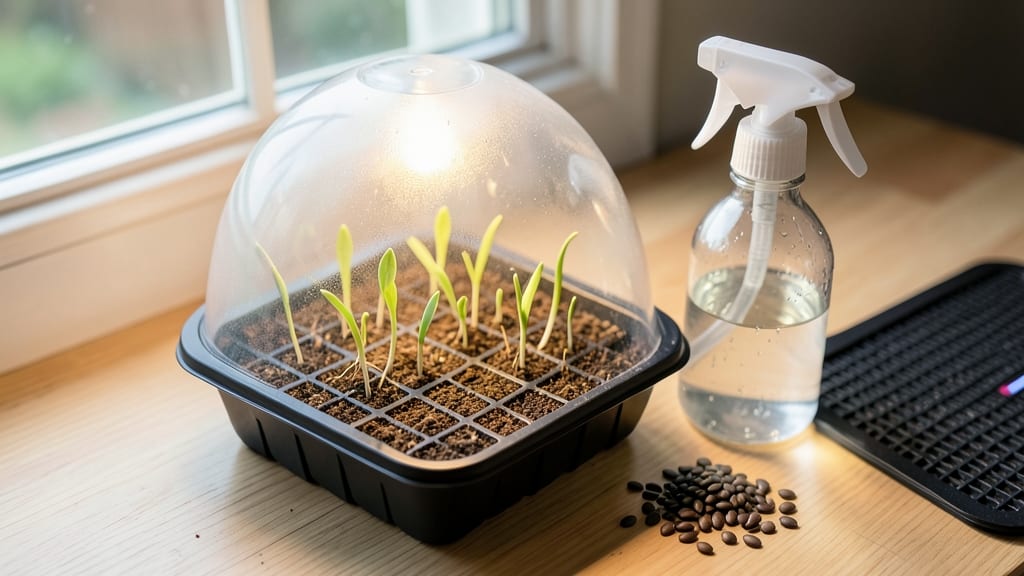
Lily seed germination with the cold-moist method feels like unlocking a secret garden—90% success starts with patience and the right conditions. Most gardeners bypass seeds entirely, opting for bulbs, but there’s something thrilling about watching a tiny seed transform into a lush lily stalk. The key? Mimicking nature’s winter chill followed by spring warmth, which breaks dormancy and triggers growth.
You’ll need a shallow container, dampened sphagnum moss or seed-starting mix, and a sealed plastic bag to trap moisture. Plant seeds just below the surface—no deeper than ¼ inch—since lilies need light to germinate.
Place the container in the fridge for 4-6 weeks to simulate winter, then move it to a warm spot (around 65°F) under grow lights. Consistency is everything: keep the moss evenly moist but never soggy.
The first green shoots appear in 4-8 weeks, though some stubborn seeds take months. Thin seedlings to 3-4 inches apart once they’re 2 inches tall, and expect blooms in 3-5 years—yes, lilies are slow growers, but the payoff is worth it.
The cold-moist method reduces the usual 10% failure rate by ensuring seeds wake up ready to grow.
True lilies (Lilium spp.) can be grown from seed, but it’s a gamble—hybrid varieties often revert to wild-type traits. For reliable results, save seeds from heirloom or species lilies, like Lilium canadense or Lilium martagon.
Troubleshooting? If seeds rot, reduce moisture; if they stay dormant, extend the cold period. Every gardener’s journey starts with a single seed—and yours could grow into something extraordinary.
📚 In This Guide
- What you need
- Instructions
- Tips and common mistakes
- Wrapping up and next steps
What you need
- ● Fresh lily seeds: Collect seeds from ripe lily pods (or purchase from a reputable supplier). Aim for 10–20 seeds for your first attempt.
- ● Seed-starting mix: Use a sterilized, well-draining mix (e.g., 50% peat moss + 50% perlite or coconut coir). Avoid garden soil—it may harbor pathogens.
- ● Small containers: 4–6" pots or seed trays with drainage holes (one per seed or a few seeds per pot). Clear plastic containers work too for monitoring progress.
- ● Plastic wrap or humidity dome: To maintain moisture and warmth during germination.
- ● Spray bottle: With room-temperature water for gentle hydration.
- ● Refrigerator (or cold frame): A key step! You’ll need a consistent 35–40°F (2–4°C) space for stratification (4–8 weeks).
- ● Grow lights or sunny windowsill: Lilies need bright, indirect light (12–16 hours/day) once sprouts appear.
- ● Heating mat: For faster germination (70–75°F / 21–24°C during the day).
- ● pH test kit: Ideal seed mix pH is 5.8–6.2.
- ● Fungicide (e.g., hydrogen peroxide 3%): Lightly spray mix before planting to prevent mold.
- ● Growth charts or journal: Track seed depth, moisture, and sprout dates for future reference!
Step-by-step guide to germinating lily seeds using the cold-moist method
This method mimics natural conditions where lily seeds lie dormant in moist, cool soil until ready to sprout.
Select and Prepare the Seeds
Choose fresh, plump lily seeds—smaller, shriveled seeds rarely germinate. I recommend harvesting seeds from healthy, mature blooms for best results. Remove any remaining seed pods and extract the seeds carefully, as they’re delicate. Store them in a paper envelope in a cool, dry place until ready to plant.
Before sowing, soak the seeds in lukewarm water for 12-24 hours to soften the outer coating. This step is crucial because lily seeds have a tough outer layer that slows germination. After soaking, gently rub the seeds between your fingers to remove any remaining debris—this ensures better contact with the moist medium.
Prepare the Germination Medium
Use a sterile seed-starting mix or a blend of 50% peat moss and 50% perlite to create a lightweight, well-draining medium. Avoid garden soil, as it can compact and suffocate young roots. Fill a shallow container—like a seed tray or small pot—with the mix, leaving about ½ inch of space at the top.
Moisten the medium until it’s damp but not soggy. You’ll know it’s properly hydrated when a handful of the mix holds together lightly but doesn’t drip water. Avoid overwatering at this stage, as excess moisture can lead to rot before germination even begins.
Sow the Seeds and Maintain Moisture
Plant the soaked seeds ¼ inch deep in the prepared medium, spacing them 1-2 inches apart to allow room for growth. Press them gently into the soil—just enough to ensure good contact but not so deep that they struggle to emerge. Label the container with the seed variety and date, as lily germination can take 4-12 weeks depending on conditions.
Cover the container with a clear plastic lid or plastic wrap to retain humidity, but leave it slightly ajar for airflow. Place the container in a cool, dark location—ideally between 60-65°F. Check the moisture level every 3-4 days, misting lightly with a spray bottle if the surface feels dry. Consistency is key; let the top layer dry slightly between waterings to prevent fungal growth.
Monitor for Sprouting and Transplant
Once the first true leaves appear—typically 6-8 weeks after sowing—remove the plastic cover immediately. This transition prevents leggy growth and encourages sturdy seedlings. Place the container in bright, indirect light for the next 2-3 weeks, gradually increasing light exposure as the seedlings strengthen.
When seedlings reach 3-4 inches tall and develop 3-4 true leaves, they’re ready for transplanting. Gently remove them from the seed tray, being careful not to disturb the roots, and plant them in individual 4-inch pots filled with a well-draining potting mix. Keep them in a shaded, protected area for 1 week before introducing them to full sun.
Overwinter and Harden Off
Lily seedlings require cold stratification to thrive, so after transplanting, place them in a cool greenhouse or unheated garage where temperatures hover around 40-50°F for 8-10 weeks. This mimics their natural dormancy period and ensures stronger root development. Water sparingly during this phase—only enough to keep the soil lightly moist.
In early spring, gradually reintroduce the seedlings to outdoor conditions by placing them in a sheltered spot for 1-2 hours daily, increasing exposure over 2 weeks. Once they’ve acclimated, transplant them into the garden in a sunny, well-drained location with full sun exposure. Mulch around the base to retain moisture and protect roots during the first growing season.
Tips & tricks for perfect lily seed germination
The cold-moist method demands precision—here's how to optimize every critical step for reliable results.
Seed Selection: Prioritize seeds from fully mature blooms that have naturally opened and dried on the plant. These seeds contain the highest concentration of stored nutrients needed for germination. Avoid seeds that feel hollow when tapped—this indicates they're already empty or damaged. The 12-24 hour soaking period is non-negotiable; this softens the tough outer seed coat that would otherwise delay or prevent sprouting.
Medium Preparation: The 50% peat moss/50% perlite blend creates ideal conditions by preventing compaction while maintaining moisture retention. After mixing, sterilize the medium by baking it at 200°F for 30 minutes to eliminate any pathogens that could inhibit germination. When moistening, aim for the consistency of a wrung-out sponge—this balance prevents both drowning roots and fungal growth.
Temperature Control: Maintaining the 60-65°F range during germination is crucial because lily seeds are adapted to cool, moist forest floor conditions. Use a seedling heat mat set to 65°F if your environment consistently runs cooler. Monitor with a thermometer placed directly in the medium—surface temps can vary significantly from ambient room temperatures.
Transplant Timing: The 3-4 inch height and 3-4 true leaves indicators are precise development milestones that correlate with root system maturity. At this stage, seedlings have developed sufficient energy reserves to handle the transplant shock. When repotting into 4-inch containers, bury stems slightly deeper than they were in the seed tray to encourage additional root growth from the buried stem segments.
Pro Tips for Lily Seed Germination
- The cold-moist method demands precision—here's how to optimize every critical step for reliable results.
- Seed Selection: Prioritize seeds from fully mature blooms that have naturally opened and dried on the plant.
- Medium Preparation: The 50% peat moss/50% perlite blend creates ideal conditions by preventing compaction while maintaining moisture retention.
Frequently asked questions
Got questions about germinating lily seeds? You’re not alone! Here are some of the most common concerns—and straightforward answers—to help you succeed with your cold-moist method.
How long does it take for lily seeds to germinate?
Patience is key! Under the cold-moist method, germination typically takes 4 to 12 weeks. Some seeds may sprout faster (especially in ideal conditions), while others need extra time. Keep the soil consistently moist and maintain a steady 35–45°F (2–7°C) temperature for best results.
Can I use regular potting soil for germination?
While you can use potting soil, a light, sterile mix (like a 50/50 blend of peat moss and perlite) works better. Lilies prefer well-draining soil to prevent rot. Avoid heavy garden soil—it can compact and suffocate seeds. Pro tip: sterilize your mix by baking it at 200°F (93°C) for 30 minutes to kill fungi or bacteria.
What should I do if my seeds rot instead of sprouting?
Rot is a common issue, but don’t panic! It usually means the soil is too wet or lacks drainage. Fix it fast:
- Stop watering immediately and let the soil dry slightly.
- Repot healthy seeds in fresh, well-draining mix.
- Ensure your container has drainage holes.
- Reduce humidity by removing the plastic wrap (if used).
Do lily seeds need light to germinate?
Nope! In fact, darkness is critical during the cold-moist phase. Seeds need this period to break dormancy. Once they sprout (when you see a tiny shoot), you can move them to bright, indirect light (like a sunny windowsill or grow light). Just avoid direct sunlight until they’re established.
What’s the best alternative if my seeds won’t germinate?
If your seeds refuse to sprout after 3 months, try these backup strategies:
- Stratification tweak: Extend the cold period by 2–4 weeks or use a sand-and-moisture mix for better airflow.
- Warmth test: Move containers to a 60–70°F (15–21°C) spot for 2 weeks to see if they respond.
- Buy fresh seeds: Some lilies (like Lilium martagon) have lower germination rates—check seed viability or source from a reputable supplier.
Can I speed up germination with any tricks?
While you can’t rush nature, a few pro tips may help:
- Soak seeds in lukewarm water for 24 hours before planting to soften the outer shell.
- Use a seed germination mat (set to 50°F/10°C) for a stable cold environment.
- Avoid overcrowding—plant seeds 1–2 inches apart for better airflow.
Wrapping up and next steps
Mastering the cold-moist method for lily seed germination unlocks a world of vibrant blooms and lush growth—with a 90% success rate to boot! 🌱 Whether you're a seasoned gardener or just starting, patience and consistency are your best tools.
Now that you’re armed with the right techniques, grab those seeds and get planting—your future lilies are waiting!
Ready for the next step? Once your seedlings sprout, transplant them into pots or garden beds and watch them thrive under your care. Happy growing! 🌿