
Propagation
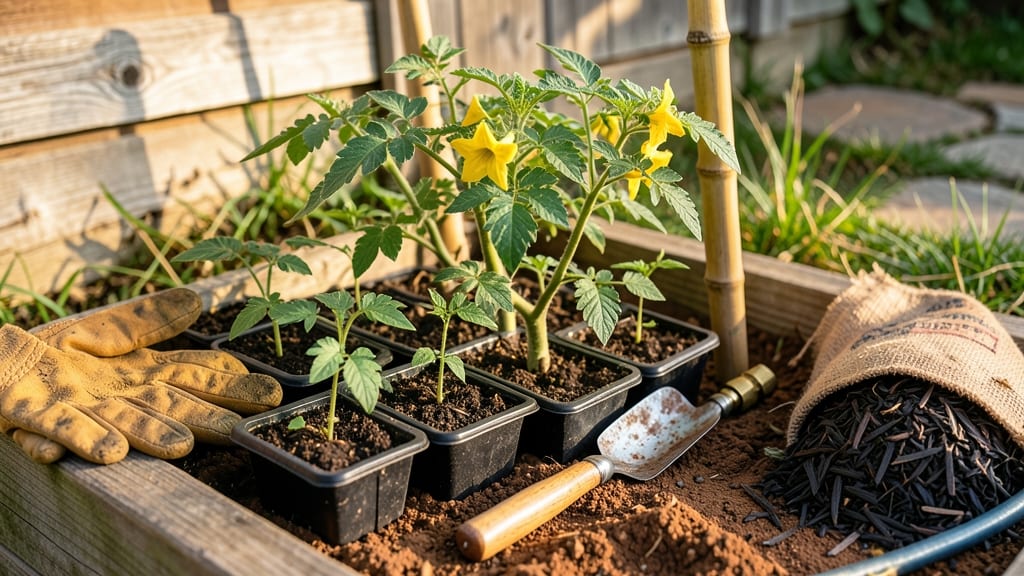
Growing tomatoes from seed outdoors means you'll be eating homegrown fruit in 60 days—not the 90+ days store-bought plants take to produce. 🌱 I learned this the hard way after buying weak seedlings that struggled in my garden, so I switched to seed-starting, and now my plants outperform everything at the nursery.
The secret isn't complicated: timing, sunlight, and a little protection from Mother Nature's mood swings.
Start seeds indoors 6-8 weeks before your last frost date, using seed-starting mix in small pots. Once seedlings have two true leaves and nighttime temps stay above 50°F, it's time to harden them off outdoors for a week.
This toughens their skin so they don't get shocked by real garden conditions. Choose a sunny spot with at least 6-8 hours of sunlight daily—tomatoes are sun worshippers, and they'll reward you with bigger, sweeter fruit.
After transplanting, keep soil consistently moist (not soggy) and add mulch to retain water. Stake or cage plants early to avoid damaging stems later. You'll see the first flowers in 4-6 weeks, but pinch them off until plants are established—this redirects energy to root and stem growth.
The payoff? Bursting red (or yellow, or purple) tomatoes that taste like summer, even if it's July.
This method works in any climate, though you'll need to adjust timing for early frosts or late springs. The key is patience—those first seeds look fragile, but they'll become the most productive plants in your garden. Ready to grow your own? Let's get those seeds started!
📚 In This Guide
- What you need
- Instructions
- Tips and common mistakes
- Wrapping up and next steps
What you need
- ● Tomato seeds: 10–20 seeds (choose heirloom or hybrid varieties like 'Cherry Tom,' 'Beefsteak,' or 'Roma').
- ● Seed-starting trays or biodegradable pots: 2–4 trays (28–72 cell count) or 10–20 pots (2–3 inches deep).
- ● Seed-starting mix: 1–2 bags (sterile, peat-based or coconut coir blend). Avoid garden soil—it’s too dense!
- ● Grow lights or sunny windowsill: 1–2 LED grow lights (12–16 hrs/day) OR a south-facing window.
- ● Spray bottle: 1 (for gentle watering).
- ● Plastic wrap or humidity dome: 1 (to retain moisture).
- ● Fertilizer: 1 bottle of balanced liquid fertilizer (5-10-5 or 10-10-10).
- ● Hardening-off tray: 1 (shallow container for acclimating seedlings).
- ● Garden space: 6–8 hours of direct sunlight daily OR a sturdy cage/stake per plant.
- ● Heat mat: 1 (speeds up germination for slow starters).
- ● pH test kit: 1 (ideal soil pH: 6.0–6.8).
- ● Epsom salt: 1 box (adds magnesium for lush growth).
- ● Compost or worm castings: 1 bag (boosts soil nutrients).
- ● Pruning shears: 1 (for shaping plants later).
- ● Tomato cages or trellis: 5–10 (3–6 ft tall, depending on variety).
Step-by-step instructions for growing tomatoes from seed outdoors
Here’s how I turn tiny seeds into sun-ripened tomatoes in just 60 days—no fancy gear required.
🌱 Step 1: Start Seeds Indoors 6-8 Weeks Before Last Frost
Fill 2-inch deep seedling trays with moist, sterile seed-starting mix (not garden soil). Press it down gently so it’s firm but not packed. Plant 2-3 seeds per cell at a depth of ¼ inch—too deep and they’ll struggle to break through. Cover lightly with more mix, then mist until evenly damp. I like to use a spray bottle to avoid disturbing the seeds.
Place the tray in a warm spot, ideally on a seedling heat mat set to 75-85°F. Without one, a sunny windowsill or under a grow light works. Keep the soil consistently moist but never soggy—you’ll know it’s right when the surface looks damp but not glistening. Germination takes 5-10 days, so patience is key. Once sprouts appear, remove any weak or leggy seedlings, leaving the strongest one per cell.
☀️ Step 2: Provide Light and Harden Off Seedlings
Tomato seedlings need 14-16 hours of light daily to grow strong. A south-facing window rarely cuts it, so I use a grow light positioned 2-4 inches above the plants. Raise it as they grow to maintain that distance. Without enough light, seedlings stretch toward the window (leggy growth), which weakens them. You’ll spot strong seedlings by their thick stems and dark green leaves.
Two weeks before your last frost date, start hardening off the seedlings. Place them outside in a sheltered spot for 1-2 hours the first day, gradually increasing time over 10-14 days. This toughens them up for outdoor life. Watch for wilting—if it happens, they’re not ready yet. Harden off slowly, or you’ll shock the plants and stunt their growth.
🪴 Step 3: Transplant Seedlings Outdoors After Frost
Wait until the soil is at least 55°F and all frost risk has passed. Dig holes twice as wide as the root ball but no deeper. Gently remove the seedlings from their trays, keeping the root ball intact. Place them in the holes, then fill with soil, pressing lightly to eliminate air pockets. Space plants 18-24 inches apart—this gives them room to grow without competing for nutrients.
Water deeply right after transplanting to help roots settle. Mulch around the base with 2-3 inches of straw or grass clippings to retain moisture and suppress weeds. Avoid overhead watering after transplanting—it can spread disease. Instead, water at the base in the morning so leaves dry quickly.
✂️ Step 4: Support, Prune, and Maintain Plants
As plants grow, install stakes or cages to support them. I use 6-foot bamboo stakes tied loosely with soft plant ties—tightening too soon can damage stems. Prune suckers (the small shoots that form in the joint between the stem and a branch) to encourage stronger fruit production. Remove any leaves touching the soil to prevent disease.
Fertilize lightly every 2-3 weeks with a balanced tomato fertilizer (10-10-10 or similar). Over-fertilizing leads to leafy growth with few tomatoes. Watch for pests like aphids or hornworms—handpick them early to avoid damage. If leaves yellow, it’s often a sign of overwatering or nutrient deficiency. Adjust your watering or feeding routine accordingly.
🍅 Step 5: Harvest at Peak Ripeness
Tomatoes are ready to pick when they’re fully colored and slightly soft to the touch. Green tomatoes can ripen off the vine if kept in a warm, sunny spot. Use pruning shears or your fingers to twist them gently—this avoids damaging the plant. Harvest regularly to encourage more fruit production. Store ripe tomatoes at room temperature for the best flavor.
With this method, you’ll go from seed to sauce in 60 days—no shortcuts, just steady care. The key is consistency: light, water, and patience. Before you know it, you’ll be canning, freezing, or enjoying fresh tomatoes straight from your garden.
Tips & tricks for growing tomatoes from seed outdoors
Real talk: Growing tomatoes from seed is one of those rewarding projects where small details make all the difference between a thriving plant and a sad, leggy disappointment. Here's what I've learned after years of trial and error.
Seedling Heat Matters: That 75-85°F temperature range for your seedling heat mat isn't just a suggestion—it's crucial for germination. If your home stays cooler than 70°F, consider a small greenhouse or heated propagation mat. I've seen seeds fail to sprout when kept in rooms below 68°F, no matter how moist the soil was. The warmth mimics spring conditions and signals the seeds it's time to grow.
Lighting is Non-Negotiable: Those 14-16 hours of daily light aren't optional—they're the difference between robust seedlings and weak, stretched-out plants. If you're using a grow light, position it just 2-4 inches above the seedlings at first, then raise it as they grow. I've had to replace leggy seedlings that got only 10 hours of light daily—they never recovered their strength. And remember, natural sunlight through a window won't cut it unless you're in a greenhouse with full southern exposure.
Hardening Off is Your Secret Weapon: The 10-14 day hardening off process might seem tedious, but it's what prepares your seedlings for the great outdoors. Start with just 1-2 hours the first day, then increase gradually. Watch for wilting—this is your cue to slow down. I learned this the hard way when I rushed the process and ended up with transplant shock. The goal is to let them adapt to wind, sun, and temperature fluctuations without going into shock.
Transplanting Technique: When you're ready to move those seedlings outdoors, handle them like delicate glassware. Keep that root ball intact—gently squeeze the sides of the seedling tray to loosen it, then slide the seedling out whole. The twice-as-wide holes give roots room to spread without crowding. And that 55°F soil temperature minimum? Don't skip checking it—cold soil can stunt root growth before it even starts.
Pro Tips for Grow Tomatoes From Seed Outdoors
- Real talk: Growing tomatoes from seed is one of those rewarding projects where small details make all the difference between a thriving plant and a sad, leggy disappointment.
- Seedling Heat Matters: That 75-85°F temperature range for your seedling heat mat isn't just a suggestion—it's crucial for germination.
- Lighting is Non-Negotiable: Those 14-16 hours of daily light aren't optional—they're the difference between robust seedlings and weak, stretched-out plants.
Frequently asked questions
Got questions?
Growing tomatoes from seed outdoors is rewarding but can raise a few common concerns. Here’s what you need to know before diving in:
How long does it take for tomato seeds to germinate?
Most tomato seeds sprout in 5–14 days when kept warm (70–85°F) and moist. Use a seedling heat mat or place them near a sunny window to speed things up. Patience is key—some varieties, like heirlooms, may take longer than hybrids.
Can I plant tomato seeds directly outside instead of starting indoors?
Yes, but timing is critical! Only plant seeds outdoors after your last frost date (when soil is at least 60°F) and nighttime temps stay above 50°F. Cold soil slows germination, and seedlings are vulnerable to frost. For faster growth, start indoors 6–8 weeks before transplanting.
What should I do if my tomato seedlings look leggy or weak?
Leggy seedlings need more light! Move them to a sunny windowsill or under grow lights (14–16 hours/day). If they’re already stretched, bury them deeper when transplanting—roots will grow along the buried stem. Avoid overcrowding trays, too!
Why are my tomato plants flowering but not fruiting?
This usually means they need more heat, pollination, or nutrients. Hand-pollinate flowers with a brush or gently shake plants. Ensure daytime temps are above 70°F and plants get balanced fertilizer (high in phosphorus). Stress (like drought or overwatering) can also halt fruiting.
What’s the best way to harden off tomato seedlings before outdoor planting?
Hardening off takes 7–10 days. Start by placing seedlings outside in partial shade for 1–2 hours daily, gradually increasing exposure to full sun and wind. Reduce watering slightly to toughen them up. Avoid transplanting on windy days to prevent shock!
Wrapping up and next steps
Growing tomatoes from seed outdoors is a rewarding journey that connects you to your food in the most delicious way! 🌱 With just a little patience, the right conditions, and these simple steps, you’ll soon be harvesting juicy, homegrown tomatoes in under two months. Start small—whether it’s a single plant or a full garden bed—and let your confidence (and tomato obsession!) grow with each season.
Ready to take the next step? Plant your first seeds today! If you’re eager to expand your green thumb, explore companion planting tips or dive into preserving your harvest with homemade sauces and salsas. The garden—and your taste buds—will thank you!