
Propagation
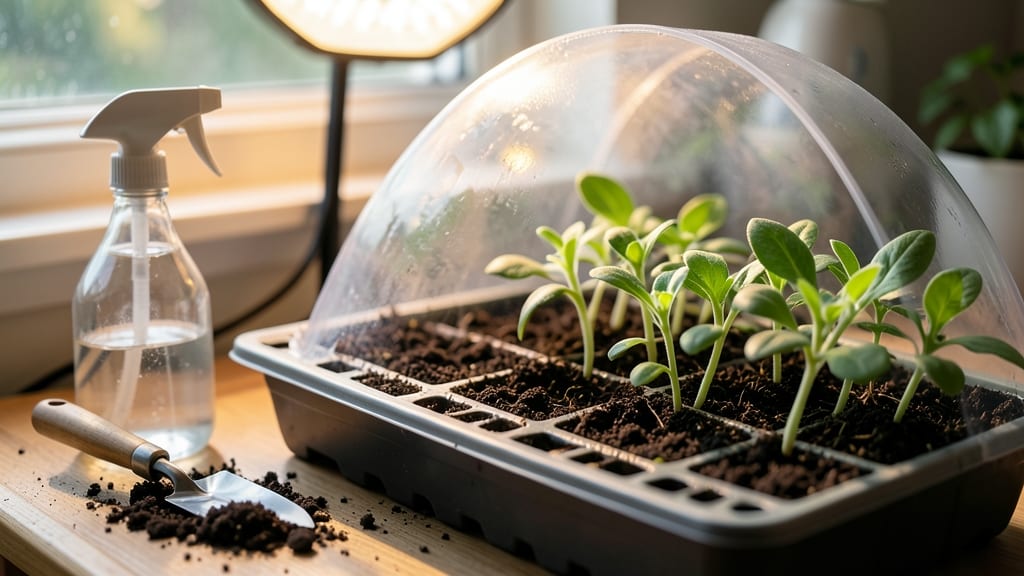
Growing snapdragons from seed indoors means towering blooms in just 60 days—no waiting for store-bought plants. 🌱 I’ve started them every spring, and the key is timing: seeds need 8-10 weeks indoors before the last frost, so plan ahead.
The trick isn’t complicated, but it is precise—light, warmth, and patience turn tiny seeds into sturdy seedlings ready for the garden.
You’ll need seed-starting mix (not regular potting soil), small containers with drainage, and a grow light—sunny windowsills won’t cut it for snapdragons. Keep the soil moist but not soggy, and maintain 60-70°F temperatures for germination.
Once sprouts appear, thin them to 2 inches apart to avoid competition. The first true leaves signal it’s time to move them under stronger light.
By transplanting outdoors after hardening off, you’ll get blooms in 60 days—taller, more vibrant than anything from a nursery. Snapdragons love full sun and well-drained soil, so choose a spot where they’ll stand out.
The payoff? Fragrant, bi-color blooms that last from early summer to frost, plus the satisfaction of growing from seed.
This method works for any snapdragon variety, from dwarf types to towering giants. Just adjust spacing and light as seedlings grow. Ready to try? Here’s the step-by-step breakdown to avoid common pitfalls—like overwatering or weak stems. Let’s get those seeds started!
📚 In This Guide
- What you need
- Instructions
- Tips and common mistakes
- Wrapping up and next steps
What you need
- ● Snapdragon seeds: Choose Antirrhinum majus varieties (e.g., 'Rocket,' 'Tom Thumb,' or 'Dragon Wing'). Buy 1-2 seed packets (each contains ~50-100 seeds).
- ● Seed-starting trays or pots: Use 4-6 inch deep trays or biodegradable peat pots (4-6 per seed packet).
- ● Seed-starting mix: 2-3 quarts of sterile, well-draining mix (e.g., Pro-Mix BX or coco coir). Avoid garden soil—it’s too dense!
- ● Grow lights or sunny windowsill: A full-spectrum LED grow light (12-16 hours/day) or a south-facing window with 6+ hours of sunlight.
- ● Spray bottle: With room-temperature water for gentle seedling hydration.
- ○ Heat mat (optional but helpful): A seedling heat mat (70-75°F) speeds up germination.
- ● Humidity dome or plastic wrap: Keeps moisture locked in until sprouts appear.
- ● Fertilizer: Balanced liquid fertilizer (e.g., 10-10-10) diluted to ½ strength for seedlings.
- ● pH testing kit: Ensures your soil mix is 6.0-6.5 (ideal for snapdragons).
- ● Bottom watering tray: Prevents overwatering by keeping roots moist without soggy soil.
- ● Small fan: A gentle breeze (30 min/day) strengthens seedlings and prevents legginess.
- ● Plant labels: Mark varieties and planting dates to track growth progress!
Step-by-step instructions for growing snapdragons indoors
Here’s my foolproof method for coaxing those towering snapdragon blooms from tiny seeds—no guesswork, just reliable results.
🌱 Step 1: Prepare Containers and Moisten Seed-Starting Mix
Fill small seed trays or individual pots with a sterile seed-starting mix—never garden soil, which can harbor fungi that rot tender seedlings. I like to press the mix down lightly with my fingers so it’s firm but not compacted. This ensures roots can anchor properly without floating in loose soil.
Moisten the mix until it feels like a damp sponge—not soggy, not dry. You’ll know it’s right when a handful clings together but crumbles easily. A spray bottle works best here; heavy watering can wash seeds away or bury them too deep. Leave the trays uncovered for now—they’ll need airflow once seeds germinate.
🌱 Step 2: Sow Seeds at the Right Depth and Cover Lightly
Snapdragons are tiny, so I use a toothpick to create individual holes—about ¼ inch deep—in the moistened mix. Drop 2-3 seeds per cell (they germinate unevenly, so extra gives insurance). The reason we sow multiple seeds is that snapdragons often don’t all sprout at once, and you’ll need to thin later.
Cover the seeds with a thin layer of mix—just enough to obscure them from light. Press gently so they make contact with the soil. Here’s the thing: don’t pat them down or you’ll bury them too deep. The goal is to keep them dark and moist until they germinate, which usually takes 7-14 days depending on your home’s warmth.
💧 Step 3: Provide Warmth and Consistent Moisture
Place the trays in a warm spot—ideally 65-75°F—since snapdragons germinate best with a little heat. A seedling heat mat under the tray speeds this up, but even a sunny windowsill above a radiator works. Keep the soil consistently moist by misting lightly every 2-3 days—never let it dry out completely, but avoid soggy conditions.
Once the first green sprouts appear, remove any humidity dome or plastic wrap immediately. Trapped moisture after germination causes damping-off, a fungal disease that collapses seedlings overnight. You’ll see the first true leaves (not the tiny seed leaves) emerge within 10-14 days—that’s your cue to start adjusting light.
☀️ Step 4: Move to Bright Light and Prevent Leggy Growth
Snapdragons need 12-14 hours of light daily to grow strong and stocky. A south-facing window won’t cut it unless it’s brutally sunny—most homes lack the intensity. I use a grow light positioned 2-4 inches above the seedlings and set to a timer. Raise the light as they grow to maintain that gap.
Watch for leggy seedlings—the telltale sign of insufficient light. You’ll spot them as thin stems with leaves spaced far apart, stretching toward the light like they’re reaching for salvation. If this happens, lower the light immediately or move the tray closer to the window. Strong seedlings have thick stems and dark green leaves spaced closely together.
✂️ Step 5: Thin Seedlings and Harden Off Before Transplanting
When seedlings have 2-3 sets of true leaves (about 4-6 weeks after sowing), it’s time to thin. Use scissors to snip the weakest seedlings at soil level—don’t pull, or you’ll disturb the roots of the ones you’re keeping. Leave the strongest seedling per cell, spacing them 1-2 inches apart if you’re transplanting to larger pots.
Two weeks before your last frost, start hardening off the seedlings. Place them outside in a sheltered spot for 1-2 hours the first day, gradually increasing time over 7-10 days. This toughens their skin and prepares them for outdoor conditions. By the time they’re ready to transplant, they’ll be 4-6 inches tall with sturdy stems—perfect for the garden.
Tips & tricks for perfect snapdragon seedlings indoors
These little tricks will help you coax those delicate snapdragons from seed to sturdy, blooming plants—without the common pitfalls that trip up beginners.
Germination Environment: The 7-14 day germination window can feel like an eternity, but consistency is key. Place a small fan on low near the trays to create gentle airflow—this prevents fungal issues while keeping humidity balanced. I’ve found that covering the trays with clear plastic wrap (but removing it once sprouts appear) creates a mini greenhouse effect that speeds up germination by 2-3 days without risking damping-off. Just remember to remove the wrap immediately after the first green sprouts appear to prevent mold.
Lighting Strategy: Those 12-14 hours of daily light are non-negotiable, but most homes lack the intensity snapdragons crave. If you’re using a grow light, position it just 2-4 inches above the seedlings—close enough to feel warmth but not so close it burns them. I’ve seen seedlings stretch like rubber bands when the light’s too far away, so adjust frequently as they grow. For budget-friendly setups, a simple LED bulb on a timer works wonders, but supplement with a sunny windowsill during the day.
Thinning Technique: When it’s time to thin those 2-3 seedlings per cell down to one strong plant, I use a pair of clean, sharp scissors to snip at soil level rather than pulling. This prevents disturbing the roots of your keepers while giving you clean cuts that heal faster. Pro tip: Thin on a cloudy day or in the evening—seedlings handle the stress better when they’re not battling midday heat and light intensity. The goal is to leave the most vigorous plant, which will have the thickest stem and darkest green leaves.
Hardening Off: The 1-2 hour to 7-10 day hardening process is where many seedlings fail. Start with just 1-2 hours on the first day, then gradually increase exposure. I’ve learned the hard way that rushing this step leads to wilted, stressed plants. Place them in a sheltered spot—like under a porch or patio—where they’re protected from wind and direct sun. This gradual acclimation toughens their cell walls and prepares them for outdoor conditions, ensuring they’ll thrive when transplanted.
Pro Tips for Grow Snapdragons From Seed Indoors
- These little tricks will help you coax those delicate snapdragons from seed to sturdy, blooming plants—without the common pitfalls that trip up beginners.
- Germination Environment: The 7-14 day germination window can feel like an eternity, but consistency is key.
- Lighting Strategy: Those 12-14 hours of daily light are non-negotiable, but most homes lack the intensity snapdragons crave.
Frequently asked questions
Got questions about growing snapdragons from seed indoors? You’re not alone! Here are answers to the most common queries to help you avoid pitfalls and nurture thriving plants.
When is the best time to start snapdragon seeds indoors?
For most climates, sow seeds 8–10 weeks before your last frost date. This gives them enough time to mature before summer heat arrives. Check your local frost dates—aim for early spring! If you’re in a warm zone, start slightly later (6–8 weeks) to avoid leggy seedlings.
Why are my snapdragon seedlings stretching too tall and weak?
This is called etiolation, caused by lack of light or overcrowding. Move seedlings under grow lights 12–16 hours/day (12–18 inches above them) and thin them to 1 inch apart after germination. A south-facing window won’t cut it—supplemental light is key!
How often should I water snapdragon seedlings?
Keep soil consistently moist but not soggy. Water from the bottom (using a tray) to prevent fungal diseases like damping off. Mist seedlings lightly if humidity drops below 50%. Overwatering is worse than underwatering—let the top inch dry out slightly between waterings.
Can I use regular potting soil for snapdragons?
While you can, snapdragons thrive in well-draining, sterile seed-starting mix. Avoid garden soil or compost-heavy blends—they compact and invite mold. Mix in perlite or vermiculite (20%) for airflow. A 50/50 seed-starting mix + coco coir combo works wonders!
How long does it take for snapdragon seeds to germinate?
Germination takes 7–21 days at 60–70°F (15–21°C). Keep trays in a warm, dark place (like a seedling heat mat) until sprouts appear. Patience is key—some varieties (like ‘Rocket’ series) germinate faster than heirlooms. If nothing sprouts in 3 weeks, test seed viability or re-sow!
What if my snapdragons bolt (go to flower) too early indoors?
Bolting happens when plants sense heat or long daylight. To delay flowering:
- Keep temps below 75°F (24°C) day/night.
- Use blackout curtains to limit light to 12 hours/day.
- Choose cool-season varieties like ‘Black Prince’ or ‘Matrix.’
Wrapping up and next steps
Growing snapdragons from seed indoors is a rewarding journey that sets you up for stunning, towering blooms in just 60 days! With the right materials, patience, and a little care, you’ll watch tiny seeds transform into vibrant flowers that brighten your garden.
Once your seedlings are strong and ready, the next step is transplanting them outdoors—just make sure to harden them off first for a smooth transition.
So grab those seeds, roll up your sleeves, and get ready to enjoy the magic of gardening! 🌱✨