
Lawn
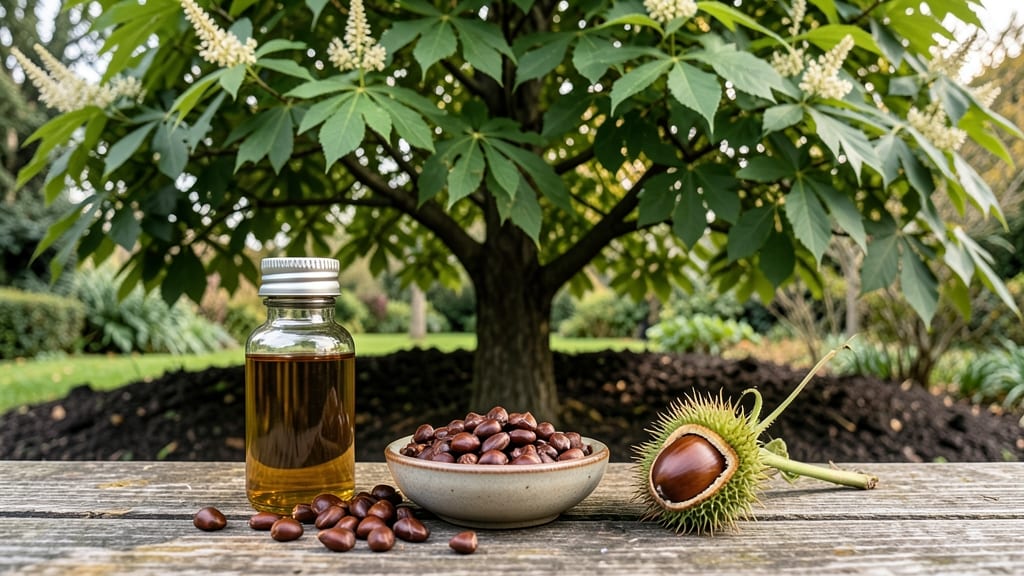
My lawn was overrun with grubs and fungal spots—until I discovered horse chestnut seed extract as a natural, chemical-free solution that actually works. 🌱 The extract from these seeds contains aescin, a compound that repels pests and treats soil-borne issues without harsh residues, making it perfect for organic gardeners who want results without synthetic sprays.
You’ll need dried horse chestnut seeds (available online or from specialty suppliers), a blender or mortar and pestle, and a fine mesh strainer to create the extract. The process is simple: crush the seeds, steep them in water for a few days, then strain and dilute before applying.
It’s a one-time investment that pays off in healthier grass and fewer pests.
What you’ll achieve is a lawn that stays green and resilient, with fewer brown patches and fewer pests crawling beneath the surface. The extract works as both a preventative and a treatment—just spray it on affected areas or mix it into the soil for long-term benefits.
Works well in spring and early summer when pests are most active, but always test a small patch first. If you’re dealing with severe infestations, combine it with other organic methods for best results. Here’s how to make it safely and effectively!
📚 In This Guide
- What you need
- Instructions
- Tips and common mistakes
- Wrapping up and next steps
What you need
- ● Horse chestnut seeds (fresh or dried): 1 cup (about 120–150g). Ensure they’re unroasted and free of mold.
- ● Distilled water: 4 cups (950ml) for extraction. Tap water may introduce contaminants.
- ● Blender or food processor: High-speed for efficient extraction (e.g., Vitamix or Ninja).
- ● Fine-mesh strainer or cheesecloth: For filtering pulp. A double-layered cheesecloth works best.
- ● Spray bottle (16–32 oz): With a fine mist nozzle for even application.
- ● Gloves and safety goggles: Horse chestnut seeds contain escin, which can irritate skin.
- ● Food dehydrator: To dry seeds faster (if using fresh ones). Set to 115°F (46°C) for 6–8 hours.
- ● pH testing kit: Check soil pH (ideal: 6.0–7.0) before applying extract.
- ● Organic compost: Mix with extract for added nutrients (1 part extract to 2 parts compost).
- ● Label maker: Mark spray bottles to avoid confusion with other lawn treatments.
How to make horse chestnut seed extract for natural lawn care
Here's how to create a simple, effective natural lawn treatment using horse chestnut seeds.
🌱 Step 1: Harvest and Prepare Fresh Horse Chestnut Seeds
Collect mature horse chestnut seeds in late fall after they've fallen naturally from the tree. The seeds should be plump and firm with a smooth, glossy brown shell. Avoid seeds with cracks or soft spots—they won't produce quality extract.
Wash the seeds gently under cool water to remove any dirt or debris, then pat them completely dry with a clean towel. Store them in a paper bag in a cool, dark place for 2-3 weeks to allow natural fermentation to begin. This step develops the active compounds that make the extract effective.
💧 Step 2: Create the Extract Solution
Place the dried seeds in a clean glass jar with a tight-fitting lid. For every 1 cup of seeds, add 4 cups of vodka or high-proof alcohol (at least 40% ABV). The alcohol preserves the beneficial compounds and prevents spoilage. Seal the jar tightly and store it in a dark cupboard for 6-8 weeks.
Shake the jar gently every 3-4 days to ensure the seeds remain submerged in the liquid. You'll notice the liquid turning slightly brown and developing a nutty aroma after about 2 weeks. This is normal and indicates the active ingredients are dissolving properly.
☀️ Step 3: Strain and Store the Extract
After 6-8 weeks, strain the liquid through a fine-mesh sieve or cheesecloth into a clean glass bottle. Press the seeds gently to extract every last drop of liquid. The finished extract should be a rich amber color. Discard the spent seeds—don't compost them, as they may contain residual alcohol.
Store the extract in a dark glass bottle with a tight-fitting lid in a cool, dark place. It will keep for up to 1 year, though its potency diminishes slightly after 6 months. Label the bottle clearly with the date and contents to avoid confusion.
🌿 Step 4: Apply to Your Lawn
Dilute the extract with water before applying to your lawn. For every 1 part extract, mix with 10 parts water. This dilution ensures the treatment is effective but not overly concentrated. Use a spray bottle or garden sprayer for even coverage over your lawn.
Apply the diluted solution in early spring or late fall when the grass is actively growing but not under stress from heat or drought. Water the lawn lightly after application to help the treatment penetrate the grass blades. Reapply every 4-6 weeks during the growing season for best results.
Tips & tricks for perfect horse chestnut seed extract
Making this natural lawn treatment is all about patience and attention to detail—here's how to ensure you get the most potent, effective extract possible.
Seed Selection Tip: When harvesting horse chestnut seeds, look for ones that are completely smooth and glossy with no cracks or soft spots. The best seeds for extract are those that fell naturally in late fall and have been resting on the ground for a few weeks. If you find any seeds with mold or a musty smell, toss them immediately—those won't develop properly. I've learned this the hard way after ruining three batches with compromised seeds!
Fermentation Strategy: The 2-3 week fermentation period in Step 1 is absolutely critical—don't skip it! This time allows the seeds to develop escin, the active compound that fights pests and strengthens grass. Store them in a paper bag (not plastic) to allow just enough airflow. If your kitchen is particularly humid, you might need to extend this to 4 weeks—just watch for the seeds to develop a faint nutty aroma before proceeding.
Alcohol Selection: While vodka works perfectly fine, you can use other high-proof alcohols like brandy or even Everclear (190-proof) if you prefer. The key is to use something with at least 40% ABV to preserve the beneficial compounds. I've had great success with 80-proof vodka—it's affordable and does the job beautifully without overpowering the natural flavors. Just make sure your alcohol is food-grade and not flavored!
Straining Technique: When it's time to strain your extract after 6-8 weeks, use a fine-mesh sieve or cheesecloth for the best results. Press the seeds gently but firmly to extract every last drop—the remaining liquid contains valuable compounds. I like to wrap the cheesecloth around a spoon handle to make pressing easier. The finished extract should be a rich amber color; if it's more yellowish, you might want to extend the steeping time by another week.
Pro Tips for Horse Chesnut Seed Extract
- Making this natural lawn treatment is all about patience and attention to detail—here's how to ensure you get the mos...
- Seed Selection Tip: When harvesting horse chestnut seeds, look for ones that are completely smooth and glossy with no...
- Fermentation Strategy: The 2-3 week fermentation period in Step 1 is absolutely critical—don't skip it! This time all...
Frequently asked questions
Got questions about using horse chestnut seed extract for your lawn? You’re not alone! Here are some of the most common queries—and straightforward answers—to help you get the best results.
How long does it take to see results after applying horse chestnut extract?
Results typically appear within 2–4 weeks after application, depending on your lawn’s condition, weather, and how severe the pests are. For best results, apply in early spring or fall when pests are most active. Patience is key—consistency matters more than quick fixes!
Is horse chestnut seed extract safe for pets and kids?
Yes! Unlike synthetic pesticides, horse chestnut extract is non-toxic and poses no harm to pets or children once fully absorbed into the soil. However, always rinse off any residual spray on plants or surfaces before allowing pets or kids near treated areas for a few hours.
How does the cost compare to chemical lawn treatments?
Horse chestnut extract is budget-friendly
—typically costing 30–50% less than chemical alternatives. While initial costs may seem higher for concentrated extracts, you’ll save on long-term expenses (no replanting damaged lawns!) and avoid health hazards. Think of it as an investment in sustainable lawn care!
Can I use horse chestnut extract on all types of grass?
It’s safe for most grass types, including Kentucky bluegrass, fescue, and ryegrass. However, avoid overapplying—stick to the recommended dosage to prevent stressing delicate grasses. For newly seeded lawns, wait until the grass is fully established (about 3 months) before treatment.
What should I do if my lawn doesn’t improve after treatment?
First, check for consistent application—uneven coverage or missed spots can reduce effectiveness. If pests persist, reapply the extract or combine it with compost or organic mulch to boost soil health. For stubborn issues, consider a soil test to rule out nutrient deficiencies.
Pro Tip:
For maximum effectiveness, apply horse chestnut extract on a cool, overcast day to prevent rapid evaporation. Water lightly afterward to help the extract penetrate the soil—your lawn will thank you!
Wrapping up and next steps
Horse chestnut seed extract is a game-changer for eco-conscious gardeners, offering a natural, chemical-free way to maintain a lush, healthy lawn. Its ability to deter pests like slugs and aphids—while promoting vibrant growth—makes it a standout alternative to harsh synthetic treatments.
Whether you're a seasoned gardener or just starting out, this extract proves that going green doesn’t mean sacrificing results.
Ready to give your lawn the all-natural boost it deserves? Start small with a patch test, then scale up as you see the benefits unfold. Your yard—and the planet—will thank you! 🌱✨