
Propagation
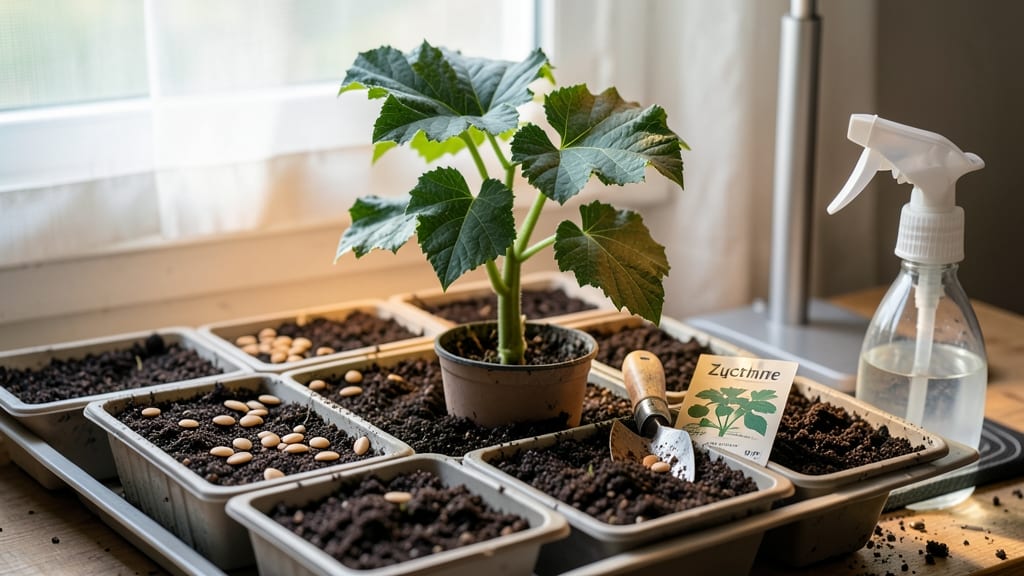
Starting zucchini seeds indoors cuts weeks off your harvest time—fast germination means you’ll be eating homegrown squash sooner than you think. 🌱 I’ve grown zucchini from seed for years, and the key to avoiding transplant shock is timing, warmth, and patience.
Most people rush this step, but a few extra days indoors makes all the difference when those seedlings hit the garden. You’ll need just a few supplies: biodegradable pots, a heat mat (or sunny windowsill), seed-starting mix, and a grow light or sunny spot.
Zucchini seeds germinate quickly—within 5-10 days—but they need consistent warmth (70-80°F) to break through the soil. Overcrowding is the biggest mistake; space them 1-2 inches apart so roots don’t compete. By the time you transplant, your seedlings will be stocky and dark green, ready to outpace store-bought plants.
The first true leaves signal it’s time to harden them off—just a week of outdoor acclimation before planting. You’ll harvest 30-40 days later, and the flavor? Nothing compares to homegrown. Works for any climate, even small spaces.
Here’s how to do it right the first time—no wilting or stunted growth in sight.
📚 In This Guide
- What you need
- Instructions
- Tips and common mistakes
- Wrapping up and next steps
What you need
- ● Zucchini seeds: 3–5 non-hybrid (heirloom) seeds (e.g., 'Black Beauty,' 'Golden Zucchini,' or 'Eight Ball'). Avoid hybrid varieties for seed-saving potential.
- ● Seed-starting containers: 3–5 biodegradable seed pots (2–3 inches deep) or
- ● A seed tray with cell inserts (2–3 inches deep, with drainage holes).
- ● Seed-starting mix: 1–2 quarts of sterile, peat-free potting mix (e.g., Pro-Mix BX or FoxFarm Seedling Mix). Avoid garden soil—it’s too dense and may harbor pathogens.
- ● Grow lights: 1 full-spectrum LED grow light (12–16 watts per square foot) or a south-facing window (if natural light is strong enough).
- ○ Heat mat (optional but helpful): A seedling heat mat (set to 70–80°F) to speed up germination.
- ● Misting bottle or spray nozzle: For gentle watering without disturbing seeds.
- ● Plastic wrap or humidity dome: To retain moisture during germination.
- ● Fertilizer: A balanced, water-soluble fertilizer (e.g., 5-5-5 or 10-10-10) diluted to half-strength for seedlings.
- ● pH test kit (ideal pH: 6.0–6.8 for zucchini).
- ● Fungicide (e.g., neem oil or hydrogen peroxide spray) to prevent damping-off.
- ● Small fan (for gentle airflow to strengthen seedlings).
- ● Plant labels and a marker (to track varieties and planting dates).
Step-by-step instructions for growing zucchini from seed indoors
Here's how to get those first true leaves popping in under a week—no transplant shock, no fuss.
🌱 Step 1: Prep Containers and Soil for Speed
Use the 4 biodegradable seed pots you've got lined up—each will hold one zucchini seedling until it's ready for the garden. Fill them with 2 cups of seed-starting mix per pot, pressing lightly so the surface is firm but not packed. Zucchini roots need air, not compacted dirt.
I like to moisten the mix first with warm water until it's damp like a wrung-out sponge. This warmth jumpstarts germination. Tap each pot gently on the table to settle the soil evenly—you'll see the surface level out perfectly when done. No clumps, no gaps.
🌱 Step 2: Plant Seeds at the Perfect Depth
Drop 1 seed into each pot, pressing it just ½ inch deep—that's about the width of your pinky finger. Planting too deep makes seeds work harder to reach light, slowing everything down. Cover with a thin layer of extra mix, just enough to hide the seed completely.
Here's the thing—zucchini seeds are big and need consistent moisture. Mist the soil surface with a spray bottle until it looks evenly damp. Don't drown them, but don't let the top dry out either. I set my pots in a shallow tray filled with ½ inch of water to keep humidity up without overwatering.
💧 Step 3: Create a Mini Greenhouse for Fast Sprouts
Cover each pot with a clear plastic dome or wrap them in plastic wrap to trap heat and moisture. Zucchini seeds germinate fastest at 80-85°F—that's warmer than most homes. If your space runs cooler, place the pots on a seedling heat mat set to 75°F. You'll see sprouts in 3-5 days with this setup.
Check daily but don't peek too often—the temperature drops every time you lift the dome. Once you see green tips breaking through the soil, remove the cover immediately. Trapped humidity after germination causes damping-off, and nobody wants to lose their seedlings overnight.
☀️ Step 4: Move to Bright Light Immediately
The instant those first true leaves appear (they'll look like tiny maple leaves), move the pots to a south-facing windowsill or under grow lights. Zucchini seedlings need 12-14 hours of light daily—a regular window won't cut it. If you're using lights, keep them 2-3 inches above the plants and raise them as the seedlings grow.
Watch for leggy growth—those are stems stretching toward light. If you see them bending or getting thin, your light source is too far away. Strong seedlings have thick stems and dark green leaves spaced close together. Water from the bottom now to encourage deep root growth—just set the pots in ½ inch of water for 10 minutes, then drain.
⏰ Step 5: Harden Off Before Transplanting
Two weeks before your last frost date, start hardening off your seedlings. Place them outside in a sheltered spot for 1 hour the first day, gradually increasing time by 1 hour daily. By day 7, they should handle a full day outside—just bring them in at night if temps drop below 50°F. Cold snaps will shock them.
You'll know they're ready when they look plump and perky in the garden, not wilted. Transplant on an overcast afternoon to reduce stress. Dig a hole twice as wide as the pot, place the seedling in, and water deeply at the base. The roots will thank you for the gentle transition.
Tips & tricks for growing zucchini indoors without transplant shock
Fast germination starts with the right setup—and avoiding these common pitfalls will keep your seedlings thriving from day one.
Soil Prep Secret: The 2 cups of seed-starting mix per pot should be fluffy but firm enough to hold its shape when tapped. I press it gently with my fingers until it resists pressure like a damp sponge. This prevents air pockets that slow root growth. If your mix feels powdery, add a splash of water and mix again—zucchini roots need good contact with soil, not empty spaces.
Heat Mat Hack: If your home stays below 75°F, that seedling heat mat becomes your best friend. Place it under your pots during the 3-5 day germination window to maintain the ideal 80-85°F range. I set mine to 75°F and monitor with a small thermometer—consistent warmth is what gets those sprouts popping in record time.
Light Source Strategy: For the critical 12-14 hours of daily light, position your grow lights 2-3 inches above the seedlings and adjust as they grow. I use a simple timer to automate the 14-hour cycle, which prevents leggy growth. Watch for stems that stretch toward light—this means they're not getting enough intensity. A south-facing window works, but most homes don't get enough sunlight for zucchini's needs.
Harden-Off Timing: The gradual 1-hour daily increase during hardening off is key—don't rush this step. On day 7, when they're ready for full sun exposure, your seedlings should look vibrant, not wilted. I always do this in the morning so any evening cold snaps won't catch them off guard. The goal is to mimic outdoor conditions without shocking their systems.
Pro Tips for Growing Zucchini From Seed Indoors
- Fast germination starts with the right setup—and avoiding these common pitfalls will keep your seedlings thriving fro...
- Soil Prep Secret: The 2 cups of seed-starting mix per pot should be fluffy but firm enough to hold its shape when tap...
- Heat Mat Hack: If your home stays below 75°F, that seedling heat mat becomes your best friend. Place it under your po...
Frequently asked questions
Got questions about indoor zucchini seed starting?
Here are answers to the most common ones—so you can grow confidently, even if you’re new to indoor gardening!
How long does it take for zucchini seeds to germinate indoors?
Zucchini seeds typically sprout in 5–10 days indoors, depending on warmth and moisture. Keep soil at 75–85°F (use a heat mat if needed) and maintain consistent dampness. If no sprouts appear in 2 weeks, test seed viability or adjust conditions.
Can I grow zucchini from seed indoors year-round?
Yes, but timing matters! Start seeds 4–6 weeks before your last frost date for outdoor transplanting. For year-round harvests, use grow lights (14+ hours/day) and transition seedlings gradually to outdoor conditions to avoid transplant shock.
Why are my zucchini seedlings leggy or weak?
Leggy seedlings usually mean too little light. Move them closer to a sunny window or under grow lights (12–16 hours/day). Overcrowding or cold soil can also weaken them—thin seedlings to 1–2 inches apart and keep soil warm.
Do I need to harden off zucchini seedlings before transplanting?
Absolutely!
Acclimate seedlings to outdoor conditions over 7–10 days by gradually increasing exposure to wind, sun, and temperature swings. Start with 1–2 hours/day and work up to full sun.
What’s the best way to save zucchini seeds for next year?
Let a few zucchini mature fully on the vine (they’ll turn hard and seed-filled). Scoop out seeds, rinse, and dry on a paper towel for 3–5 days. Store in a cool, dark place (like a jar in the fridge) for up to 3–5 years.
Wrapping up and next steps
Growing zucchini from seed indoors is a rewarding way to jumpstart your garden and avoid transplant shock—plus, you’ll enjoy fresh, homegrown veggies in no time! 🌱 With the right setup, patience, and a little care, you can transform tiny seeds into thriving plants ready for the great outdoors.
Now that you’re equipped with the know-how, why not take the next step? Grab those seeds, set up your grow lights, and watch your green thumb flourish!
🌟 Ready to Grow?
Start your seeds today and share your progress with fellow gardeners—you’ve got this! 💪 For extra tips or troubleshooting, check out our FAQ section or dive into transplanting guides next.