
Propagation
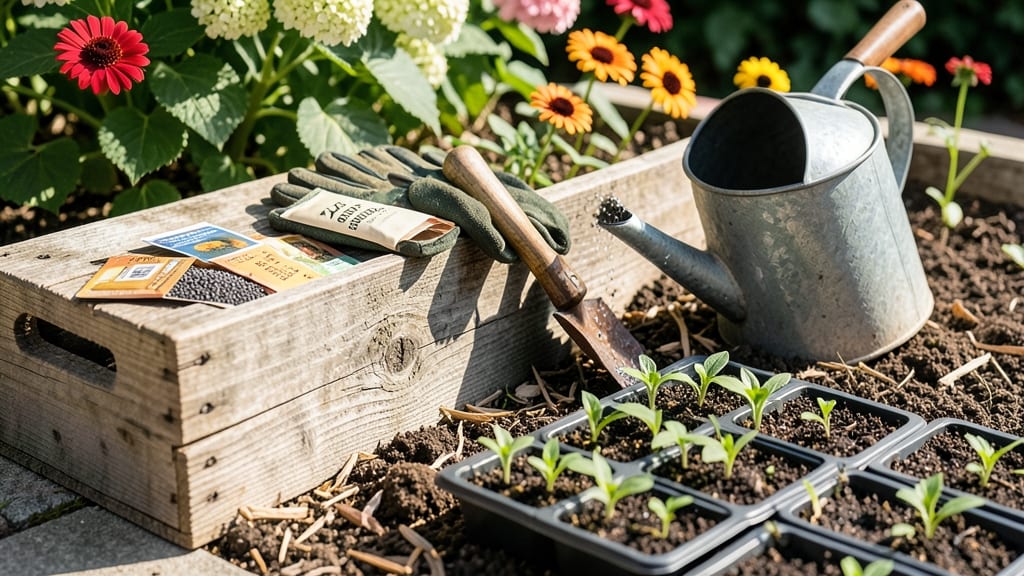
Growing zinnias from seed outdoors gives you vibrant, long-lasting blooms in just 60 days—no cold stratification needed. 🌻 I’ve grown them every summer, and the secret is simple: warm soil, patience, and a little shade for young plants.
These cheerful flowers thrive in summer heat, attracting butterflies and bees while filling vases with bold colors.
The real magic happens after the seeds sprout—week 3 is when they transform from tiny leaves into sturdy seedlings. Start seeds indoors 4-6 weeks before your last frost, or sow directly when soil reaches 60°F.
Plant them ¼ inch deep, spaced 6-12 inches apart, and keep the soil consistently moist (not soggy) until they’re established.
By mid-summer, you’ll have foot-tall stems bursting with blooms that last from morning until frost. The key is deadheading spent flowers—this keeps them producing all season long.
Zinnias also make fantastic cut flowers, lasting 7-10 days in a vase, and they’re tough enough to handle light frosts if left standing.
Here’s the best part: they’re beginner-proof. Even if your first batch struggles with damping-off (a fungal issue), a second try usually succeeds. For pro gardeners, try succession planting every 2 weeks for nonstop color. Ready to turn your garden into a pollinator paradise?
📚 In This Guide
- What you need
- Instructions
- Tips and common mistakes
- Wrapping up and next steps
What you need
- ● Zinnia seeds – Choose heirloom or hybrid varieties (e.g., Benary’s Giant, Profusion, or Zahara). Buy 1–2 packets (50–100 seeds per packet) for a full-season display.
- ● Well-draining potting mix – 1–2 gallons of seed-starting mix (or a blend of 50% peat moss and 50% perlite/vermiculite for DIYers).
- ● Garden soil – Amended with 2–3 inches of compost or aged manure for nutrients.
- ○ Containers (optional, for early starts) – 2–4 biodegradable pots (2–3 inches deep) or a seed tray with cell inserts.
- ● Gloves – A pair to protect hands from soil and thorns.
- ● Small hand trowel – For planting seeds ¼–½ inch deep.
- ● Watering can or spray bottle – With a fine mist nozzle to avoid disturbing seeds.
- ○ Twine or stakes (optional) – For taller varieties (e.g., Benary’s Giant) to support stems as they grow.
- ○ Mulch (optional) – 1–2 inches of straw or shredded leaves to retain moisture and suppress weeds.
- ● Sunlight – A full-sun location (6+ hours/day) with well-draining soil (zinnias hate soggy roots!).
- ● Warm soil – Wait until after the last frost (soil temp should be 55°F+) to plant directly outdoors.
- ● Patience – Zinnias sprout in 7–14 days and bloom in 60–70 days!
Step-by-step instructions for growing zinnias from seed outdoors
Here's how to coax vibrant zinnias from seed to bloom in just two months—no cold treatment required.
🌱 Step 1: Choose the Right Time and Site for Planting
Zinnias thrive in warmth, so wait until after your last frost date when soil temperatures reach at least 60°F. I test by pressing my finger into the soil—if it feels warm to the touch, it's ready. Pick a location with full sun (6+ hours daily) and well-draining soil, as zinnias hate soggy roots.
Amend heavy clay soil with 2-3 inches of compost mixed into the top 6 inches of soil. Zinnias are drought-tolerant once established, but they need loose, fertile soil to germinate properly. Avoid spots where tomatoes or other nightshades grew last year to prevent disease carryover.
🌱 Step 2: Direct-Sow Seeds at Proper Depth and Spacing
Scatter seeds ¼ inch deep in rows spaced 12-18 inches apart (or broadcast them if planting in masses). I like to use a seed spacing tool or simply drop seeds every 6 inches for bushier plants. Press them lightly into the soil—zinnias need light to germinate, so don't bury them too deep.
Cover the area with 1-2 inches of straw mulch to retain moisture and suppress weeds. Water gently but thoroughly until the soil is evenly moist 1 inch deep. Avoid wetting the seeds directly, as this can cause them to rot before sprouting. You'll see tiny green shoots in 7-14 days—don't be tempted to water again until the soil feels dry to the touch.
☀️ Step 3: Thin Seedlings and Provide Consistent Care
Once seedlings reach 2 inches tall, thin them to 12 inches apart for bush varieties or 18 inches apart for tall types like 'Benary's Giant'. Use scissors to snip unwanted seedlings at soil level—pulling risks disturbing roots of remaining plants. You'll end up with 4-6 strong plants per foot of row, depending on your variety.
Water at the base of plants in the morning to prevent fungal diseases. Zinnias are drought-tolerant but bloom best with 1 inch of water per week. Fertilize lightly with a balanced 10-10-10 formula when seedlings are 3-4 inches tall, then again when buds form. Too much nitrogen makes them grow leaves instead of flowers.
✂️ Step 4: Deadhead and Maintain for Continuous Blooms
Start deadheading spent blooms when they fade to encourage more flowers. Pinch off flowers with your fingers or use clean scissors—this redirects energy to new buds. I do this every 2-3 days during peak bloom to keep zinnias producing until frost. The more you deadhead, the longer your plants will flower.
Watch for Japanese beetles or aphids—spray affected plants with neem oil at the first sign of damage. Avoid chemical sprays, as they can harm pollinators. If stems weaken or leaves yellow, reduce watering slightly—zinnias often struggle in overly wet conditions. With proper care, your plants will reward you with bold blooms in just 60 days.
Tips & tricks for growing zinnias from seed
To get those vibrant zinnias blooming in just 60 days, here are the key insights that'll make all the difference.
Soil Temperature Matters: That 60°F soil temperature threshold isn't just a suggestion—it's critical. I've seen seeds rot in cooler soil, even when air temps were warm. Use a soil thermometer for accuracy, especially in spring when air and soil temps can differ dramatically. If your soil runs cooler, consider using black plastic mulch a few days before planting to warm it up faster.
Light Requirements: Zinnias need that full sun (6+ hours daily) to thrive, but there's a trick to getting them off to the right start. If you're planting in early spring when days are shorter, position your rows in an east-west orientation. This way, the seedlings get maximum morning sunlight while avoiding harsh afternoon sun that can stress young plants.
Germination Strategy: The 7-14 day germination window can feel like an eternity, but here's what I've learned: Keep those seeds consistently moist but never soggy during this period. I use a spray bottle to mist the soil lightly every other day rather than watering from above. This prevents seed rot while maintaining the perfect moisture level for sprouting. Once you see those first green shoots, reduce watering to only when the top inch of soil feels dry.
Pest Prevention: Japanese beetles and aphids love zinnias, but you can outsmart them. Start by planting zinnias near strong-smelling herbs like basil or rosemary—their scent repels many pests. For existing infestations, that neem oil recommendation works wonders, but I've found the best time to apply it is in the early morning when pests are most active. Always spray until leaves are thoroughly wet, focusing on the undersides where pests hide.
Pro Tips for Growing Zinnias From Seed Outdoors
- To get those vibrant zinnias blooming in just 60 days, here are the key insights that'll make all the difference.
- Soil Temperature Matters: That 60°F soil temperature threshold isn't just a suggestion—it's critical. I've seen seeds...
- Light Requirements: Zinnias need that full sun (6+ hours daily) to thrive, but there's a trick to getting them off to...
Frequently asked questions
Got questions about growing zinnias from seed? You’re not alone—these vibrant bloomers are easy but can raise a few curiosity points! Here are answers to the most common queries to help you grow confidently.
When is the best time to plant zinnia seeds outdoors?
Zinnias thrive in warm soil, so wait until after the last frost when nighttime temps stay above 50°F (10°C). For most U.S. zones, this means late spring to early summer (April–June). If you’re in a hot climate, you can even plant in late summer for fall blooms!
How long does it take for zinnia seeds to germinate?
Germination is usually 5–10 days in warm, moist soil (70–80°F / 21–27°C). Keep seeds consistently damp but not soggy—a humidity dome or light row cover can speed things up. If you’re impatient, try soaking seeds overnight before planting for a slight boost.
What should I do if my zinnia seedlings look leggy or weak?
Leggy seedlings often mean too much shade or light—zinnias need 6+ hours of sunlight daily. If they’re stretching, transplant them to a sunnier spot or use a grow light for 12–14 hours/day. Once outdoors, thin seedlings to 12–18 inches apart to improve airflow and strength.
Can I grow zinnias from seed in containers?
Zinnias adapt well to containers as long as the pot is at least 12 inches deep with drainage holes. Use a light, well-draining potting mix and fertilize lightly (like with compost tea) every 2–3 weeks. Dwarf varieties (like ‘Thumbelina’) are perfect for small spaces!
Why aren’t my zinnias blooming, even though they have lots of leaves?
Overly leafy zinnias often need more sunlight or pruning. Deadhead spent blooms regularly to encourage new flowers. If growth is lush but flowers are sparse, try reducing water slightly—zinnias bloom best when slightly stressed (but not wilted). Also, check for pests like aphids or spider mites, which can sap energy.
Wrapping up and next steps
Growing zinnias from seed outdoors is a rewarding journey that delivers vibrant blooms in just 60 days—no cold stratification needed! 🌸 With the right timing, soil prep, and care, you’ll enjoy a dazzling display of color that attracts pollinators and brightens your garden. Start small if you’re new, but don’t hesitate—these cheerful flowers thrive with minimal fuss.
Now that you’re ready to plant, grab your seeds and head outside! Mark your calendar for 60 days from sowing—your future blooms will be worth the wait. Happy gardening! 🌱