
Propagation
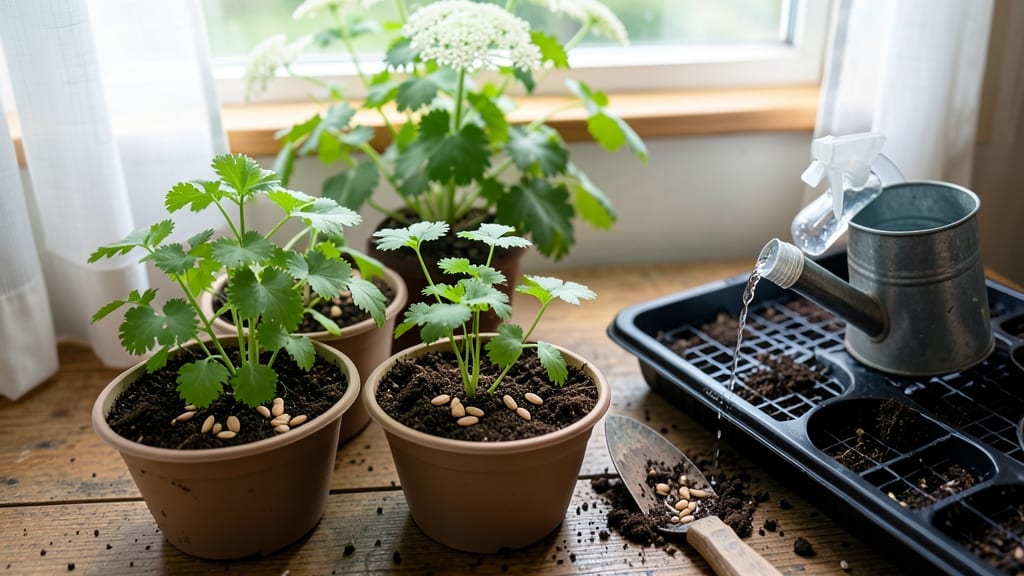
Growing cilantro from seed in pots means fresh, fragrant harvests just steps from your kitchen—no more wilted grocery store bunches. ✨ The secret lies in fast germination, consistent moisture, and avoiding the dreaded bolt before you even get to taste it.
I’ve grown cilantro in pots for years, and these small adjustments make all the difference: shallow planting, partial shade, and regular pinching to keep it bushy.
You’ll need just three supplies: a 5-7 inch pot with drainage holes, well-draining potting mix (no garden soil!), and a sunny windowsill or balcony spot. Cilantro seeds germinate in 5-10 days when kept moist and warm—no fancy equipment required.
The key is keeping soil consistently damp (not soggy) and protecting it from afternoon heat, which triggers bolting faster than you can say "pesto."
Within 3-4 weeks, you’ll have lush, dark-green leaves ready to snip. The flavor peaks when you harvest young leaves, and with proper care, you’ll get multiple harvests before the plant finally bolts.
The best part? No more buying cilantro that turns to stringy sadness within days—this is your year-round herb factory.
For those hotter summer days, move pots to dappled shade to slow bolting. And if pests appear, a quick spray of water usually does the trick. Once you master this, you’ll never buy cilantro again—just imagine the freshness of homegrown leaves in your favorite recipes.
📚 In This Guide
- What you need
- Instructions
- Tips and common mistakes
- Wrapping up and next steps
What you need
- ● Cilantro seeds – Organic or heirloom varieties (e.g., ‘Santo,’ ‘Calypso,’ or ‘Slow Bolt’) – 1 packet (≈ 1,000 seeds)
- ● Containers – 4–6 inch pots (or a shallow tray with drainage holes) – 2–4 pots (for spacing and redundancy)
- ● Potting mix – Well-draining, seed-starting mix (avoid garden soil—it’s too dense!) – 1–2 bags (1–2 cubic feet)
- ● Drainage tray or saucer – To catch excess water and prevent root rot – 1 per pot
- ● Spray bottle – For gentle watering (avoids disturbing seeds) – 1
- ● Grow lights or sunny windowsill – 6+ hours of indirect light daily (south-facing window or LED grow lights)
- ○ Fertilizer (optional but helpful) – Balanced liquid fertilizer (5-5-5 or 10-10-10) or compost tea – 1 small bottle
- ● Seedling heat mat – Keeps soil warm (70–75°F) for faster germination
- ● Humidity dome or plastic wrap – Retains moisture until seeds sprout
- ● Tweezers or small spoon – For careful seed placement
- ● Label markers – To track planting dates (cilantro bolts quickly!)
- ● Shade cloth (30–50%) – Protects seedlings from intense midday sun
Step-by-Step instructions for growing cilantro from seed in pots
Here's how to grow fresh, flavorful cilantro that won't bolt unexpectedly—tested in small spaces and containers.
🌱 Step 1: Prepare Pots and Planting Mix
Choose 4-inch diameter pots with drainage holes—cilantro roots need airflow to prevent rot. I use lightweight plastic or terracotta because they dry out faster, which helps prevent overwatering. Fill each pot with 2 cups of well-draining potting mix (never garden soil—it compacts and suffocates roots). Press the mix down gently until it's firm but still loose enough to let water penetrate.
Add a ¼-inch layer of perlite or vermiculite to the bottom of each pot before the soil. This improves drainage and prevents waterlogging, which is cilantro's biggest enemy. Moisten the mix with warm water until it feels damp but not soggy—think of a wrung-out sponge. You'll know it's right when water runs through the drainage hole without pooling.
🌱 Step 2: Plant Seeds Correctly to Avoid Crowding
Sow 3-4 seeds per pot at a depth of ¼ inch—cilantro seeds are tiny, so I use a toothpick to make small holes. Planting too deep slows germination, and cilantro seeds need light to sprout properly. After placing the seeds, cover them lightly with additional mix, just enough to hide them but not bury them deeply.
Mist the soil surface with a spray bottle until evenly moist. Avoid heavy watering—it can wash seeds away or bury them too deep. Place the pots in a warm spot (70-75°F) like on top of the fridge or near a sunny window. Keep the soil consistently moist (not wet) until germination, which typically takes 7-14 days. If you see mold or fuzzy growth, reduce moisture immediately—cilantro hates damp conditions.
☀️ Step 3: Provide Ideal Light and Prevent Bolting
Once seedlings emerge, move them to a south-facing window or under grow lights for 12-14 hours of light daily. Cilantro bolts (goes to seed) when stressed by heat or insufficient light, so keep temperatures between 60-70°F—any hotter and you'll lose your harvest. If your space runs warm, use a small fan to create airflow around the pots, which helps regulate temperature.
Thin seedlings to 2-3 per pot when they have 2-3 true leaves, using scissors to snip unwanted stems at soil level. This prevents competition for nutrients and encourages bushier growth. Water at the base of the plant rather than overhead—this reduces fungal risks and keeps leaves dry. You'll notice stronger stems and more vibrant leaves within a week of thinning.
💧 Step 4: Water and Fertilize for Maximum Flavor
Water cilantro when the top inch of soil feels dry—overwatering causes root rot, while underwatering makes leaves bitter. I use a spray bottle for gentle watering, which mimics natural rainfall and keeps foliage clean. Avoid letting pots sit in saucers of water, even if they have drainage holes—cilantro roots suffocate in soggy conditions.
Fertilize lightly every 3-4 weeks with a balanced, water-soluble fertilizer (like 10-10-10) diluted to half strength. Too much fertilizer encourages leafy growth at the expense of flavor. Harvest outer leaves first, cutting just above a pair of leaves to encourage regrowth. This method keeps your cilantro productive for 6-8 weeks before it bolts.
✂️ Step 5: Harvest and Extend the Season
Harvest leaves when they reach 2-3 inches tall, cutting just above a leaf node to promote new growth. The best time to harvest is in the morning after dew has dried—leaves are crispest then. Regular harvesting prevents bolting by encouraging the plant to focus on leaf production rather than flowering. If you see flower stalks forming, snip them immediately to redirect energy back to the leaves.
To extend the season, move pots to a cooler, shaded spot in late summer or early fall. Cilantro thrives in cooler weather and often bolts when temperatures rise above 75°F. If you live in a warm climate, consider growing cilantro in partial shade during summer months. With proper care, you can enjoy fresh cilantro for several harvests before replanting.
Tips & tricks for growing thriving cilantro in pots
These small adjustments can transform your cilantro from a finicky bolt-prone plant into a reliable kitchen herb producer.
Soil Science Matters: The ¼-inch layer of perlite or vermiculite in Step 1 isn't just about drainage—it creates an air pocket that prevents compacting soil, which is cilantro's arch-nemesis. I've found that mixing in 10% compost with your 2 cups of potting mix gives seedlings a nutrient boost without overwhelming them. This combo keeps roots oxygenated while providing gentle nutrients that prevent bitter flavors.
Light Management is Critical: When you move seedlings to 12-14 hours of light in Step 3, position pots so they get morning sun (which is cooler) and afternoon shade if your window gets intense afternoon heat. A simple trick: rotate pots ¼ turn daily to ensure even growth. I've seen cilantro bolt within days when left in direct hot afternoon sun—this rotation prevents one-sided stress that triggers bolting.
Thinning Technique: In Step 3, when thinning to 2-3 seedlings, use clean scissors to cut stems at soil level rather than pulling. This prevents disturbing the remaining roots. I've noticed that plants thinned this way develop stronger root systems and recover faster from the shock. The key is patience—wait until you see 2-3 true leaves before thinning, as earlier thinning can stress young seedlings.
Harvesting Strategy: The 2-3 inch height recommendation in Step 5 is a guideline, but I harvest leaves when they reach about 1.5 inches for maximum flavor intensity. Always cut just above a leaf node (where new leaves emerge) to encourage bushier growth. This method lets you harvest multiple times from each pot, extending your harvest window from the standard 6-8 weeks to potentially 10-12 weeks if you're vigilant about removing flower stalks immediately.
Pro Tips for Growing Cilantro From Seed In Pots
- These small adjustments can transform your cilantro from a finicky bolt-prone plant into a reliable kitchen herb producer.
- Soil Science Matters: The ¼-inch layer of perlite or vermiculite in Step 1 isn't just about drainage—it creates an air pocket that prevents compacting soil, which is cilantro's arch-nemesis.
- Light Management is Critical: When you move seedlings to 12-14 hours of light in Step 3, position pots so they get morning sun (which is cooler) and afternoon shade if your window gets intense afternoon heat.
Frequently asked questions
Got questions about growing cilantro from seed in pots? You're not alone—this herb can be tricky! Here are some of the most common concerns and quick answers to help you grow lush, bolt-free cilantro every time.
How long does it take for cilantro seeds to germinate?
Cilantro seeds can take 7–14 days to sprout, depending on temperature and moisture. Keep the soil consistently damp (not soggy) and place pots in a warm spot (65–75°F). If germination takes longer than 2 weeks, try soaking seeds overnight in warm water before replanting.
Why does my cilantro bolt so quickly?
Cilantro bolts (sends up flowers) due to heat or long daylight. To delay bolting:
- Harvest leaves regularly to encourage bushier growth.
- Plant in partial shade (especially in hot climates).
- Choose bolt-resistant varieties like 'Santo' or 'Calypso'.
What’s the best pot size for cilantro?
Use pots at least 6 inches deep and 6–8 inches wide per plant (or cluster 3–4 seeds in a larger container). Cilantro has shallow roots but needs room to spread. Ensure pots have drainage holes to prevent root rot—cilantro hates soggy feet!
Can I grow cilantro indoors year-round?
Yes! Place pots near a south-facing window or under grow lights (12–16 hours/day). Keep humidity moderate (a tray of water with pebbles helps) and rotate pots weekly for even growth. Avoid drafts, which can stress the plants.
What can I do if my cilantro tastes soapy?
The "soapy" flavor comes from cilantro’s cousin, coriander, which some people taste. If you dislike it:
- Try a different variety like 'Slow Bolt' or 'Leisure'.
- Harvest leaves young (flavor mellows as it matures).
- Use cilantro for garnishes or dishes where the flavor blends (like salsas or soups).
Wrapping up and next steps
Growing cilantro from seed in pots is a rewarding way to enjoy fresh, flavorful herbs all season long—without the frustration of bolting!
With the right containers, soil, and care, you’ll have a thriving herb garden that’s ready to brighten up tacos, soups, and salads in no time. 🌱
Now that you’re armed with tips to prevent bolting and keep your cilantro happy, why not expand your green thumb?
Try growing other herbs like basil or parsley in the same setup, or experiment with companion planting to maximize your pot space. Happy growing—and enjoy that fresh cilantro flavor! 🌟