
Container Gardens
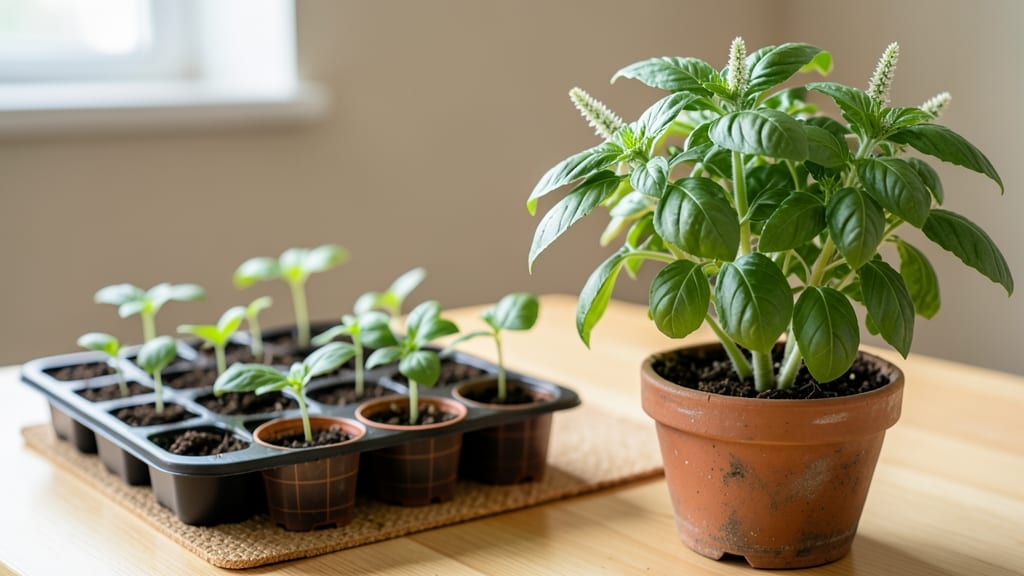
Growing basil from seed in containers turns your windowsill into a fragrant kitchen garden in just 10-14 days. ✨ I’ve grown dozens of basil plants this way—some thrived, others flopped—and I’m sharing the exact method that guarantees fast germination and year-round harvests, even in small spaces.
The secret isn’t fancy equipment: just a 4-inch container, well-draining soil, and a sunny spot. Basil seeds are tiny but tough—plant them ¼ inch deep, keep the soil moist (not soggy), and watch for sprouts within a week.
Overwatering is the #1 killer, so let the top inch dry between waterings. By month 2, you’ll pinch back the tops to encourage bushier growth, and by summer, you’ll be snipping leaves for pesto, salads, or sandwiches.
The plants stay productive for 6+ months if you prune regularly and keep them happy. This works for balconies, patios, or even kitchen counters—no yard needed. Here’s how to avoid the common mistakes that kill basil before it even starts.
📚 In This Guide
- What you need
- Instructions
- Tips and common mistakes
- Wrapping up and next steps
What you need
- ● Basil seeds: 1 packet (about 20-50 seeds, depending on the variety). Look for Genovese, Thai, or Purple basil for great flavor and appearance.
- ● Containers: 1-3 small pots (4-6 inches in diameter) or a single larger container (8+ inches) with drainage holes. Plastic, terracotta, or fabric grow bags all work well!
- ● Potting mix: 1 bag of high-quality seed-starting mix or well-draining potting soil (avoid garden soil—it’s too dense!). Aim for 1-2 cubic feet per container.
- ● Drainage material: Small pebbles, perlite, or broken pottery pieces (1-2 inches layer at the bottom of each container).
- ● Watering can or spray bottle: A gentle watering tool to avoid disturbing seeds.
- ● Grow lights or sunny windowsill: Basil thrives in 6-8 hours of sunlight daily. If natural light is limited, a LED grow light (12-16 inches above plants) is a lifesaver!
- ○ Plant labels: Small tags or popsicle sticks to track varieties (optional but helpful!).
- ● Seedling heat mat: Speeds up germination (especially in cooler climates).
- ● Fertilizer: A balanced liquid fertilizer (like 10-10-10) or compost tea to boost growth after sprouting.
- ● Humidity dome or plastic wrap: Keeps moisture in during germination (remove once sprouts appear!).
- ● Pruning shears: For harvesting and shaping plants as they grow.
- ● Self-watering container: Reduces maintenance if you travel often.
Step-by-step instructions for growing basil from seed in containers
Here’s how to turn tiny basil seeds into a thriving, year-round herb garden—fast and foolproof.
🌱 Step 1: Prepare Containers and Seed Starting Mix
Start with 4-inch diameter pots (one per seedling) or a single 12-inch container with drainage holes—basil roots need room to spread but hate soggy feet. Fill each with a sterile seed-starting mix (never garden soil, which compacts and drowns roots). Moisten the mix until it feels like a damp sponge—squeeze gently, and it should hold together but not drip.
Press the soil down lightly with your fingers to eliminate air pockets. The surface should be firm enough to support tiny seedlings but not packed like clay. I like to tap the container on the table once to settle everything evenly. This prevents seeds from floating to the surface when you water.
🌱 Step 2: Sow Seeds at the Right Depth and Temperature
Basil seeds are tiny—plant 2-3 seeds per pot at a depth of just ⅛ inch, about the thickness of a credit card. Sowing too deep slows germination because the seedling must push through more soil, exhausting its energy reserves. Cover lightly with a thin layer of additional mix, then mist the surface with a spray bottle until evenly damp.
Here’s the trick for speed: place the pots in a warm, dark spot (like on top of the fridge) and cover with a clear plastic dome or plastic wrap. Basil germinates fastest at 75-80°F—a seedling heat mat speeds this up even more. You’ll see sprouts in 5-7 days, sometimes even faster if conditions are perfect.
☀️ Step 3: Move to Light and Monitor Moisture
As soon as the first true leaves (not the initial seed leaves) appear, remove the dome and place the pots under bright, indirect light for 24 hours to acclimate. After that, shift them to 6+ hours of direct sunlight daily—a south-facing window or grow light (kept 3-4 inches above the plants). Basil grows leggy fast without enough light, so watch for stems stretching toward the window.
Water when the top inch of soil feels dry—stick your finger in to check. Basil hates soggy soil but also wilts quickly if dried out. I water from the bottom by placing pots in a tray of ½ inch of water for 10 minutes, letting roots drink up moisture naturally. This prevents fungal issues that plague overhead watering.
✂️ Step 4: Thin and Prune for Bushier Growth
Once seedlings have 3-4 true leaves, thin to the strongest plant per pot by snipping the others at the soil line with clean scissors. Basil doesn’t transplant well, so thinning avoids overcrowding. Pinch off the top set of leaves when the plant reaches 6 inches tall—this encourages bushier growth by stimulating side shoots.
Continue pinching flower buds as they form. Basil flowers signal the plant to shift energy to seed production, making leaves bitter. You’ll know it’s time to harvest when the stems are 4-6 inches tall and leaves are 3-4 inches long. Cut just above a leaf node to promote regrowth.
🪴 Step 5: Maintain Through Harvesting and Beyond
Fertilize every 4-6 weeks with a balanced liquid fertilizer (diluted to half strength) to keep plants vigorous. Basil is heavy feeder, especially in containers where nutrients deplete faster. I use fish emulsion for a gentle boost—it’s packed with micronutrients that prevent yellowing leaves.
For year-round yields, bring pots indoors before the first frost or move them to a sunny windowsill in winter. Reduce watering slightly in cooler months since growth slows, but keep soil lightly moist. With this method, you’ll harvest every 2-3 weeks and enjoy fresh basil all year.
Tips & tricks for growing basil from seed in containers
Real talk: Basil seeds are stubborn little things—they need just the right conditions to cooperate. Here's how to give them the perfect start and keep them thriving.
Germination Speed Secret: The 5-7 day germination window can feel like forever, but you can cut that time nearly in half by using a seedling heat mat set to 75-80°F. I've seen sprouts appear in just 3-4 days when using this method. Place your covered pots directly on the heat mat after sowing—just make sure the soil stays consistently moist, not soggy. The warmth mimics tropical conditions where basil thrives naturally, and those tiny seeds will respond like they're on a fast track to becoming your kitchen's star herb.
Light Transition Strategy: That 24-hour acclimation period under bright indirect light is crucial, but I've learned the hard way that rushing this step leads to leggy, weak seedlings. After removing the dome, position your pots within 3-4 inches of a south-facing window or grow light. Watch for stems stretching toward the light—this is your signal to move them closer. I like to rotate pots daily so all sides get even exposure, preventing plants from growing lopsided. Think of it as a gentle introduction to sunlight rather than a sudden shock treatment.
Watering Wisdom: The bottom-watering technique is a game-changer for container basil, but timing matters. Those 10 minutes in ½ inch of water should feel like a spa day for your plants. I've noticed that if I leave them longer than 15 minutes, the roots can become waterlogged, especially in smaller pots. For larger 12-inch containers, you might need 15-20 minutes. Always check the soil after watering—it should feel evenly damp but not dripping. This method prevents fungal issues while ensuring roots get the hydration they crave without surface evaporation.
Pruning Payoff: Pinching those 6-inch stems might feel counterintuitive when you're eager for harvests, but trust me on this. The bushier growth you'll get from this technique means more leaves per plant over time. I start pinching the main stem just above a leaf node, and within weeks, you'll see multiple side shoots forming. This is how you get that lush, restaurant-quality basil look. And don't forget to keep snipping those flower buds—they're flavor saboteurs that turn your sweet basil into bitter disappointment.
Pro Tips for Growing Basil From Seed In Containers
- Real talk: Basil seeds are stubborn little things—they need just the right conditions to cooperate. Here's how to giv...
- Germination Speed Secret: The 5-7 day germination window can feel like forever, but you can cut that time nearly in h...
- Light Transition Strategy: That 24-hour acclimation period under bright indirect light is crucial, but I've learned t...
Frequently asked questions
Got questions about growing basil from seed in containers? You’re not alone! Here are some of the most common queries—plus quick, practical answers to help you grow like a pro.
How long does it take for basil seeds to germinate in containers?
Basil seeds typically germinate in 7–14 days when kept in warm, moist conditions (70–75°F). For faster results, soak seeds in warm water for 4–6 hours before planting. Patience is key—consistent moisture and warmth speed up the process!
Can I grow basil in containers indoors during winter?
Basil thrives indoors with 6–8 hours of sunlight daily (a south-facing window or grow lights work best). Keep soil moist, maintain temperatures above 50°F, and avoid drafts. A sunny windowsill or under LED grow lights will keep your basil happy all year.
What’s the best container size for basil seeds?
Start with small pots (4–6 inches deep) for seedlings, then transplant to at least 6-inch-wide containers once they’re 2–3 inches tall. Basil has shallow roots, so wider pots prevent overcrowding and encourage bushier growth. Ensure containers have drainage holes!
Why are my basil seedlings dying or turning yellow?
Yellowing leaves or wilting often signal overwatering, poor drainage, or pests. Check soil moisture (top inch should dry between waterings), ensure pots drain well, and inspect for aphids or spider mites. Adjust care—basil prefers consistent moisture, not soggy soil!
Can I grow other herbs alongside basil in the same container?
While basil grows well with thyme, oregano, or parsley, avoid mixing it with competitive herbs like mint or chives. Stick to herbs with similar water and sunlight needs. Overcrowding stresses plants—space them 6+ inches apart for best results.
Wrapping up and next steps
Growing basil from seed in containers is a rewarding and accessible way to enjoy fresh, homegrown herbs year-round—no green thumb required! 🌱 With the right setup, patience, and care, you’ll soon be harvesting vibrant leaves for pesto, salads, or teas.
Now that you’re armed with tips and tricks, take the plunge—start small, experiment with varieties, and watch your container garden thrive.
Your next step? Plant those seeds! Grab your supplies, follow the steps, and soon you’ll be savoring the satisfaction (and flavor!) of basil straight from your balcony or windowsill. Happy growing! 🌿