
Lawn
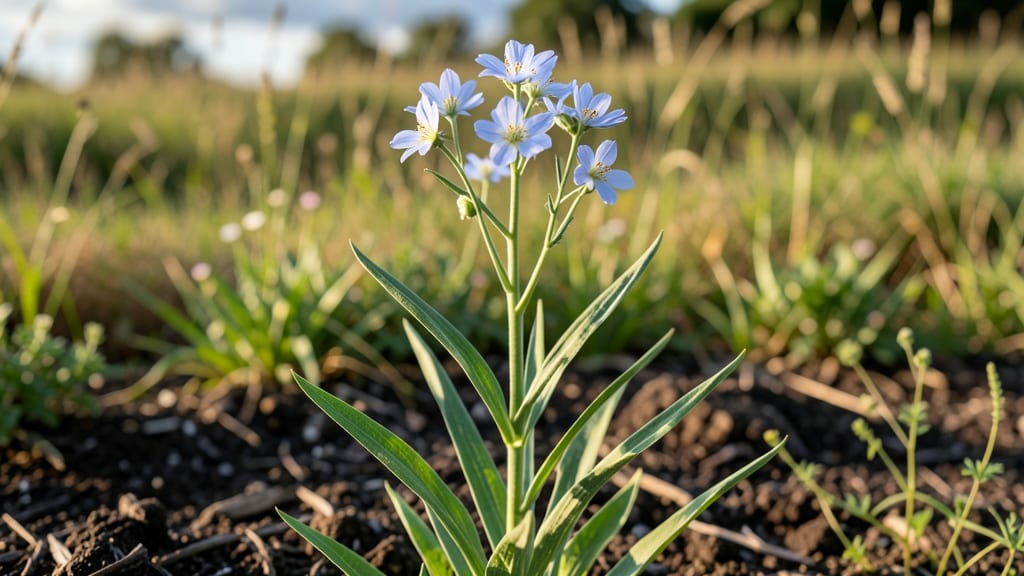
Growing flax seed flowers (Linum usitatissimum) means harvesting both delicate blooms and nutritious seeds—without a single wasted pod. 🌿 I’ve learned the zero-waste hack that turns flax’s fibrous stems into a bonus resource while keeping your garden tidy, and it starts with the right planting timing and soil prep.
The key to success is cool-season planting: sow seeds in early spring or late summer for blooms by midsummer. Flax thrives in well-draining, slightly acidic soil (pH 6.0–7.0) and full sun, but it’s surprisingly drought-tolerant once established.
Most varieties grow 2–3 feet tall, making them perfect for cottage gardens or pollinator-friendly borders.
When harvest time comes, you’ll love how the sky-blue flowers attract bees while the seeds ripen in papery pods. The natural pod-splitting trick I’ll share means you’ll collect seeds effortlessly—no tools required—and repurpose the leftover stems for fiber or compost.
Imagine a plant that gives you beauty, nutrition, and sustainability all at once.
Whether you’re growing flax for its ornamental charm, edible seeds, or even linen fiber, this method works for small spaces and large plots alike. Let’s get your flax plants off to the right start—your garden (and pollinators) will thank you.
📚 In This Guide
- What you need
- Instructions
- Tips and common mistakes
- Wrapping up and next steps
What you need
- ● Flax seeds (organic, non-GMO preferred) – 1–2 lbs (0.5–1 kg), for planting.
- ● Well-draining potting soil or garden bed – Rich in organic matter (avoid heavy clay).
- ● Small pots or seed trays – 4–6 inches deep (for seedlings) or direct sowing in a garden bed.
- ● Watering can or spray bottle – For gentle, consistent moisture.
- ○ Compost or worm castings (optional but recommended) – 1 cup per pot to boost nutrient content.
- ○ Gloves (optional) – To protect hands while handling soil/seeds.
- ● Small hand trowel or spoon – For planting seeds ½ inch deep.
- ● Sunny location (full sun, 6+ hours/day) – Flax thrives in warm, bright spots.
- ● Patient mindset! 😉 – Flax grows quickly (60–90 days to maturity), but pods need time to develop.
- ● Seedling heat mat – If starting indoors in cool climates.
- ● Organic fertilizer (low-nitrogen) – Diluted fish emulsion or seaweed extract for a mid-growth boost.
- ● Pruning shears – To trim spent flowers and encourage bushier growth.
- ● Journal or camera – To track growth stages (because flax flowers are adorable!).
Step-by-step instructions for growing flax seed flowers
Here's how I grow flax flowers that split open naturally for effortless seed harvesting.
🌱 Step 1: Choose the Right Variety and Planting Location
Select a certified organic flax seed variety like 'Linette 45' or 'McGregor', both known for their reliable pod-splitting behavior. Flax thrives in cool climates with full sun exposure (6-8 hours daily) and well-draining soil. I always test my soil pH—flax prefers 6.0-7.5.
Prepare the planting site by loosening the soil to a depth of 12 inches to prevent root compaction. If your soil is heavy clay, blend in 2 inches of compost to improve drainage. Flax's shallow root system makes it sensitive to waterlogging, so raised beds work exceptionally well.
☀️ Step 2: Direct Sow Seeds at Proper Depth and Spacing
Plant seeds ¼ inch deep and 6-8 inches apart in rows spaced 18 inches apart. I use a simple wooden dowel marked at the correct depth to ensure consistent planting. Flax seeds germinate best in 60-70°F soil temperatures, so aim for early spring planting.
Thin seedlings to 6 inches apart once they reach 2-3 inches tall. This prevents overcrowding and ensures each plant has enough nutrients to develop strong, pod-splitting stems. I always thin on a cloudy day to reduce transplant shock.
💧 Step 3: Maintain Consistent Moisture Without Overwatering
Water deeply 1 inch per week, allowing the top 2 inches of soil to dry between waterings. Flax is drought-tolerant once established, but inconsistent moisture causes weak stems that may not split pods naturally. I use a rain gauge to track weekly rainfall and adjust watering accordingly.
Stop watering entirely 4-6 weeks before harvest to allow stems to dry and pods to mature properly. This drying period is crucial for the natural pod-splitting mechanism. You'll know it's working when the stems turn golden and the pods begin to rattle when shaken.
✂️ Step 4: Harvest and Process for Natural Pod-Splitting
Cut the entire plant at the base with clean shears when 90% of pods have turned golden-brown and are rattling when shaken. Bundle stems and hang them upside down in a dry, well-ventilated area. This allows the pods to fully dry and split open naturally over 2-3 weeks.
Once the pods have split, gently rub the dried stems between your hands to release the seeds. I store them in an airtight container in a cool, dark place for up to 12 months. This natural drying and splitting process ensures zero waste and preserves seed viability.
🌿 Step 5: Prevent Common Issues That Disrupt Pod-Splitting
Watch for powdery mildew, which appears as white powder on leaves. This fungal disease weakens stems and prevents proper pod development. I prevent it by spacing plants correctly and avoiding overhead watering. If mildew appears, remove affected leaves immediately and apply a baking soda spray (1 tsp baking soda + 1 quart water).
Also, avoid nitrogen-heavy fertilizers—they promote leafy growth at the expense of pod development. Instead, use a balanced 10-10-10 fertilizer sparingly during early growth. The goal is strong stems, not lush foliage, for successful pod-splitting.
Tips & tricks for perfect flax flower cultivation
These practical insights will help you maximize your flax flower harvest with minimal effort.
Seed Selection: When choosing between 'Linette 45' and 'McGregor' varieties, I recommend starting with 'Linette 45' for its exceptional pod-splitting reliability. These varieties are specifically bred for this characteristic, so don't compromise on quality—certified organic seeds ensure you're getting the best genetic material for natural pod opening. The slight price difference pays off in perfect harvests.
Planting Precision: The ¼-inch planting depth and 6-8 inch spacing aren't just numbers—they're critical for creating the right conditions. Use a wooden dowel as your depth guide to maintain consistency across your entire planting area. This uniformity helps prevent uneven growth that could disrupt the natural pod-splitting process later on.
Watering Strategy: The 1-inch weekly watering guideline is your best friend, but timing matters just as much. Water in the early morning to allow foliage to dry completely before evening. This simple habit dramatically reduces powdery mildew risk, which can weaken stems and prevent proper pod development. Think of it as creating the perfect microclimate for your flax plants.
Harvest Timing: Waiting for 90% of pods to turn golden-brown and rattle is the key to successful natural splitting. I've learned this the hard way—harvesting too early means pods won't split properly, while waiting too long risks seed loss. The rattling sound is your best indicator, so listen closely as you approach harvest time. This visual and auditory cue ensures you're ready for the perfect drying process.
Pro Tips for Flax Seed Flower
- These practical insights will help you maximize your flax flower harvest with minimal effort.
- Seed Selection: When choosing between 'Linette 45' and 'McGregor' varieties, I recommend starting with 'Linette 45' f...
- Planting Precision: The ¼-inch planting depth and 6-8 inch spacing aren't just numbers—they're critical for creating ...
Frequently asked questions
Got questions about growing flax seed flowers or harvesting their pods? You’re not alone! Here are answers to the most common queries—from timing to troubleshooting—so you can grow confidently and sustainably.
What’s the best time to plant flax seed flowers for a successful harvest?
Plant flax seeds in early spring (after the last frost) or late summer for a fall harvest. They thrive in cool weather (60–75°F) and mature in just 60–90 days. Avoid planting in hot summers—they’ll bolt (flower too quickly) and produce fewer seeds.
How do I know when flax seed pods are ready to harvest?
Wait until the pods turn light brown and dry (usually 3–4 weeks after flowering). Gently squeeze a pod—if it pops open easily, it’s ready! Harvest on a dry day to prevent mold. Pro tip: Cut stems with scissors (don’t pull) to avoid uprooting plants.
Can I grow flax seed flowers in containers, or do they need a garden bed?
Yes! Flax seeds grow well in 5–6 inch deep containers with drainage holes. Use a light, well-draining potting mix. Just ensure they get full sun (6+ hours/day) and space plants 6–12 inches apart to prevent overcrowding.
What’s the “zero-waste” hack for harvesting flax seeds without wasting pods?
After pods dry, hang stems upside-down in a paper bag for 1–2 weeks. Shake gently to release seeds—this leaves zero waste! Alternatively, rub dried pods between your hands over a bowl. Save empty pods for compost or crafts!
Are flax seed flowers good for pollinators like bees?
Flax flowers are bee-friendly, attracting pollinators with their bright blue blooms. Plant them alongside herbs or wildflowers to create a pollinator paradise. Just avoid pesticides—they’ll harm bees too!
Wrapping up and next steps
Growing flax seed flowers isn’t just rewarding—it’s a zero-waste win for your garden and your health! 🌱 With the right tools and a little patience, you can enjoy their delicate blooms and harvest nutrient-packed seeds effortlessly.
Whether you’re a seasoned gardener or a curious beginner, this hack makes it simple to turn your space into a thriving, sustainable oasis.
Ready to take the next step? Start small—plant a few seeds this season and watch your garden transform. Share your progress or tips with fellow green thumbs, and let’s grow together! 🌿