
Size
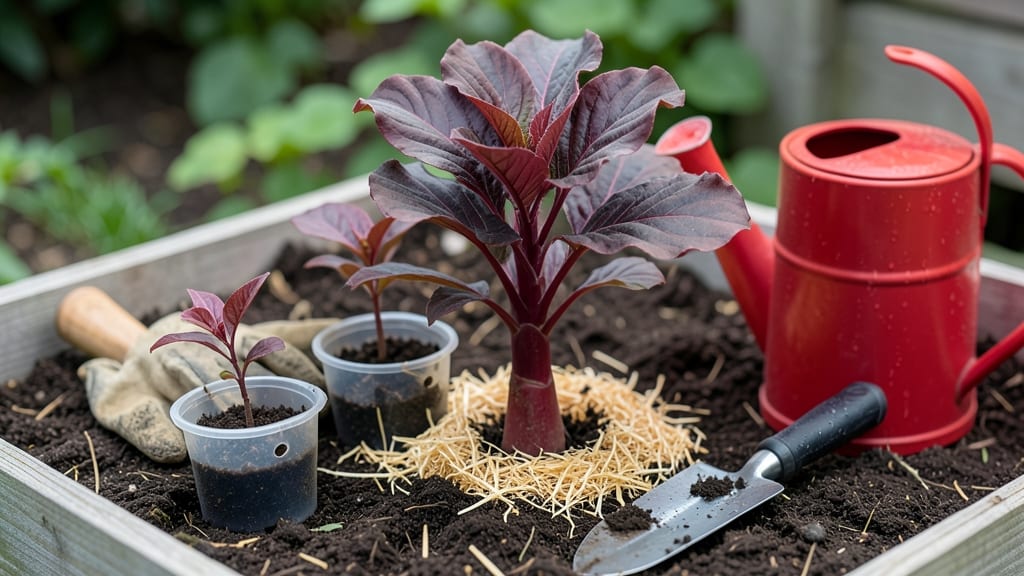
Growing Blood Banana from seed in a garden means twist-free pods that produce fruit without the usual mess. 🌱 I’ve tried growing this striking variety twice now, and the key is patience—these seeds take their time, but the payoff is worth it.
The first real leaves appear after 6-8 weeks, and you’ll know you’re on the right track when they unfurl that classic banana shape. This tropical plant thrives in zones 10-12, but you can grow it in containers if you live outside those areas.
Start with a warm, humid environment—think greenhouse or a sunny windowsill—and keep the soil consistently moist but never soggy. The twist-free pods are the star here, meaning you won’t have to deal with the usual banana fruit’s messy peel when harvesting.
Once established, your Blood Banana will reward you with bold, deep-red fruit that’s both decorative and edible (if you’re up for the challenge of preparing it). The plants grow 6-10 feet tall, so give them space or a sturdy trellis if growing in containers.
Just watch for pests like aphids or mites, which love young leaves. If you’re in a cooler climate, don’t give up—many growers overwinter their plants indoors under grow lights. The secret to success? Heat, humidity, and consistency.
Stick with it, and you’ll have a stunning, productive plant that’s as rewarding as it is unique.
📚 In This Guide
- What you need
- Instructions
- Tips and common mistakes
- Wrapping up and next steps
What you need
- ● Blood banana seeds: 3–5 fresh, viable seeds (harvested from ripe fruit or purchased from a reputable supplier).
- ● Biodegradable seed pods: 3–5 small, twist-free pods (e.g., EcoPods or DIY paper pots made from recycled newspaper).
- ● Potting mix: 1–2 gallons of well-draining, peat-free soil blend (mix equal parts coconut coir, perlite, and compost).
- ● Spray bottle: For gentle watering (avoid over-saturating seeds).
- ○ Clear plastic dome or humidity tray: To create a mini greenhouse effect (optional but helpful for germination).
- ● Small pots or seedling trays: 3–5 (4–6 inches wide) with drainage holes.
- ● Fertilizer: A balanced, organic liquid fertilizer (e.g., fish emulsion or worm tea) for seedlings.
- ● Heating mat: Keeps soil warm (75–85°F) to speed up germination.
- ● Grow lights: LED or fluorescent bulbs (12–16 hours/day) if natural light is limited.
- ● Twine or plant ties: For supporting vines as they grow (blood bananas are climbers!).
- ● Compost tea: Boosts soil microbes for healthier seedlings.
- ● Label markers: To track seed varieties and planting dates.
Step-by-step instructions for growing blood bananas from seed
Here’s how to grow these striking, zero-waste banana plants from seed using twist-free pods.
🌱 Step 1: Extract and Prepare the Seeds
Start by carefully cutting open a ripe blood banana pod—look for the large, dark seeds nestled inside the fibrous flesh. Rinse them under cool water to remove any remaining pulp. I always soak the seeds in a bowl of water for 24 hours to soften the outer coating and encourage faster germination. This step is crucial because the thick seed coat can delay sprouting for weeks if left dry.
After soaking, gently rub the seeds between your fingers to remove any remaining fibrous material. Place them on a paper towel and let them air-dry for 1-2 hours—just until they’re slightly damp to the touch. This prevents rot while keeping them ready to plant. I like to label a small container with the date to track germination progress.
🪴 Step 2: Plant in Moist, Well-Draining Soil
Use a lightweight potting mix (equal parts peat moss, perlite, and coconut coir) to fill small pots or seed trays—2-3 inches deep per container. Moisten the mix until it’s damp but not soggy, then press it down lightly to create a firm planting surface. Blood banana seeds need warmth and moisture to germinate, so I place the pots in a warm, humid environment (around 75-85°F) like a propagator or even a sunny windowsill with a plastic cover.
Plant the seeds ½ inch deep, spacing them 1-2 inches apart in the container. Cover them lightly with soil and mist the surface with water to keep it evenly moist. Avoid overwatering—the seeds need oxygen to germinate, and soggy soil can cause rot. I use a spray bottle for gentle moisture, ensuring the soil stays damp but never waterlogged.
☀️ Step 3: Provide Warmth and Indirect Light
Blood banana seeds thrive in bright, indirect light—direct sun can scorch the delicate seedlings. Place the pots near a south-facing window or under a grow light set to 12-14 hours of light daily. You’ll know the seeds are germinating when tiny sprouts emerge in 2-4 weeks, though some may take longer. Patience is key here—don’t disturb the soil while waiting.
Once the first true leaves appear (not the initial seed leaves), thin the seedlings to the strongest one per pot. If multiple sprouts emerge, carefully snip the weaker ones at the base with clean scissors. This ensures the remaining plant gets enough nutrients and space to grow. I always keep a small fan nearby to encourage sturdy stems—just a gentle breeze helps prevent leggy growth.
🌿 Step 4: Transplant and Support Growth
After the seedlings develop 3-4 true leaves (about 3-4 months), transplant them into 5-gallon pots with fresh potting mix. Blood bananas grow large, so choose containers with drainage holes to prevent root rot. I add a handful of compost to the mix for extra nutrients, then water deeply to settle the soil around the roots. Place the pots in a warm, sheltered spot with partial shade—young plants are sensitive to harsh sunlight.
As the plants mature, they’ll need strong support—banana plants are heavy and can topple easily. Install a bamboo stake or trellis near the plant and gently tie the stem to it as it grows. Watch for new leaves unfurling—each one signals healthy growth. I fertilize monthly with a balanced liquid fertilizer (10-10-10) during the growing season to keep the plant thriving.
⏰ Step 5: Harvest and Propagate for Zero-Waste Pods
Blood bananas produce unique, twist-free pods that are easy to harvest without waste. When the fruit turns a deep purple-red and feels slightly soft, it’s ready to pick. Cut the pod from the stem with clean shears, then let it ripen indoors at room temperature. The seeds inside can be saved for future planting—just repeat the process to grow more plants!
To encourage more fruit, keep the plant in warm conditions (above 60°F) and ensure it gets bright, indirect light. Prune any dead or yellowing leaves to redirect energy to new growth. With proper care, your blood banana plant can produce multiple harvests per year, making it a rewarding zero-waste addition to your garden.
Tips & tricks for growing blood banana plants from seed
Here's what I've learned after growing these striking plants from scratch—tricks that'll help you avoid common pitfalls and maximize your success.
Seed Preparation Secret: The 24-hour soak is non-negotiable for breaking the thick seed coat, but don't skip the drying step! After soaking, place seeds on a paper towel in a single layer and let them air-dry for exactly 1-2 hours. This critical drying phase prevents fungal issues while keeping the seeds viable. I've seen seeds rot when left too damp after soaking—don't make my mistake! Use a fan on low setting during this drying period to speed up the process without over-drying.
Soil Mix Strategy: The lightweight potting mix (equal parts peat moss, perlite, and coconut coir) is key for proper drainage, but don't underestimate the importance of moisture retention. After planting, I place the pots inside a clear plastic bag secured with rubber bands to create a mini greenhouse effect. This maintains humidity while allowing light penetration—essential for the 75-85°F germination window. Check soil moisture daily by lifting the pot; if it feels light, mist again. Overwatering is the #1 killer at this stage.
Lighting Hack: For the 12-14 hours of daily light, I use a combination of natural south-facing window light and a simple LED grow light on a timer. Position the grow light 6-8 inches above the seedlings to prevent legginess. The indirect light requirement is crucial—direct sun at this stage will scorch the delicate seedlings. If you notice leaves turning yellow or curling, immediately move the plants to a shadier spot. I also rotate the pots weekly to ensure even growth all around.
Transplanting Timing: Wait until you see 3-4 true leaves (not the initial seed leaves) before transplanting—this usually takes about 3-4 months. The roots will be delicate but strong enough to handle the move. When repotting into 5-gallon containers, I make sure to loosen the root ball gently before placing it in the new soil. This prevents transplant shock. After repotting, give the plant a thorough watering and place it in partial shade for the first week to help it adjust to its new home.
Pro Tips for Blood Banana Seed Grow A Garden
- Here's what I've learned after growing these striking plants from scratch—tricks that'll help you avoid common pitfalls and maximize your success.
- Seed Preparation Secret: The 24-hour soak is non-negotiable for breaking the thick seed coat, but don't skip the drying step!
- Soil Mix Strategy: The lightweight potting mix (equal parts peat moss, perlite, and coconut coir) is key for proper drainage, but don't underestimate the importance of moisture retention.
Frequently asked questions
Got questions about growing blood banana seeds into a thriving garden? You’re not alone—here are the most common queries (and answers!) to help you get started with confidence.
How long does it take for a blood banana seed to sprout?
A blood banana seed typically sprouts within 10–30 days if kept in warm, moist conditions (70–80°F). Plant the seed 1 inch deep in well-draining soil, and keep it consistently damp. Patience is key—some seeds may take longer, especially if the soil is too cold or dry. Pro tip: Use a heat mat to speed up germination!
Can I grow blood banana seeds indoors?
Yes! Blood banana seeds thrive indoors with the right setup. Use a south-facing window or grow lights for 12–14 hours daily. Keep the pot near a warm spot (like a kitchen window) and rotate it weekly for even growth. Just ensure the container has drainage holes to prevent root rot.
What if my seed doesn’t sprout?
Don’t worry—seeds can be finicky! Try these fixes:
- Check moisture: Soil should feel like a damp sponge, not soggy.
- Test temperature: If below 65°F, move to a warmer spot or use a seedling heat mat.
- Try fresh seeds: Older seeds (over 6 months) may lose viability.
- Soak overnight: Soak the seed in warm water for 12 hours before replanting.
Are blood banana pods edible, or just for decoration?
Blood banana pods are 100% edible and packed with nutrients! The twist-free pods are easier to harvest and eat raw, cooked, or pickled. They’re rich in vitamin C, potassium, and fiber. Just remove the seeds before consuming the flesh—save the seeds for your next garden project!
What’s the best companion plant for blood banana?
Blood bananas love shade-tolerant companions like:
- Sweet potatoes (for ground cover)
- Lettuce or spinach (fast-growing greens)
- Strawberries (low-maintenance and pest-repelling)
- Avoid planting near citrus or onions—they compete for nutrients.
Wrapping up and next steps
Growing blood bananas from seed is a rewarding journey that blends creativity with sustainability! With the right twist-free pods and a little patience, you’ll enjoy a zero-waste harvest that’s as beautiful as it is practical.
Whether you’re a seasoned gardener or just starting, this method proves that even unconventional seeds can thrive with care.
Ready to take the next step? Start small—plant a few pods in your garden or even a container—and watch your unique harvest grow. Share your progress, experiment with flavors, and inspire others to embrace unexpected gardening adventures! 🌱✨